 admin
admin
The locals were incredibly polite and helpful. People who spoke English would stop to guide me through train stations, or even walk me right up to the correct bus stop without me asking. I’ve promised myself I’ll do the same back home in India — help anyone who looks a bit lost.
So here I am, Kindle and selfie stick in hand, reliving my Taiwan sojourn.
 Transportation in Taiwan — my experience
There are plenty of taxis, but most drivers don’t understand English. Uber is definitely easier — the drivers still may not speak English, but at least the destination is already entered in the app, so there’s no confusion.
Public transportation is fabulous. I actually found buses easier than the MRT, because MRT stations have multiple platforms and the English signage isn’t always clear. I also noticed that in most main areas, the bus stop and MRT station share the same locality name, which makes navigation simpler.
In Taipei there are six colour-coded MRT lines, while Taichung currently has only one. Taichung MRT trains and stations feel swankier — probably because they’re newer. In many places, even the zebra crossing lights up when it’s safe to walk. Honestly, Taiwan is worth visiting just to experience how smoothly their technology works.
For intercity travel, one can take the THSR (high-speed rail). It runs at about 300 km/h, so you can cover large distances quickly without spending too much time or money. Even when you book tickets online, you still need to exchange them for a physical ticket at the station to enter the platform (just like in Japan).
If you plan to use public transport, buy an EasyCard from any 7-Eleven or FamilyMart. The card itself costs TWD 100–300 depending on the design — many people even keep it as a souvenir. One can load any amount onto it.
It’s a bit difficult to get a refund for the remaining balance (only select MRT stations in Taipei do it), so it’s better to use it up at 7-Eleven or Family mart before one leaves.
EasyCard also gives you small discounts — usually around 20% on rides, or NT$8 off when transferring between bus and train within an hour. It saves one the hassle of explaining destinations, buying tickets each time, and hunting for change.
Note:
- many buses do not accept cash
- one needs to tap in and tap out (even on buses)
- the remaining balance shows on the screen every time one taps
Super easy once you get the hang of it
 Currency
Cash is still king in most smaller places, so it’s best to carry a mix of cash, credit/debit card, and an EasyCard. This combo pretty much covers everything — street food, small cafés, convenience stores, and public transport.
 Taipei
There’s so much to explore in and around Taipei as day trips. You can easily earmark 3–5 days here. Within the city, I’d recommend the places listed below.
 Elephant Mountain (Xiangshan)
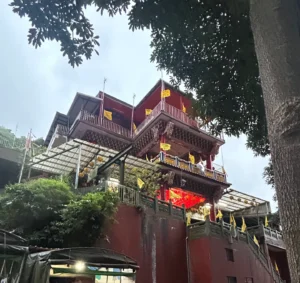
Elephant Mountain, locally called Xiangshan, is an easy and very popular hike. Take the MRT to Xiangshan Station, exit, cut through the park, and follow the arrows on the pavement that point toward the trail. Another nearby landmark at the start is Daitiandian Lingyun Temple.
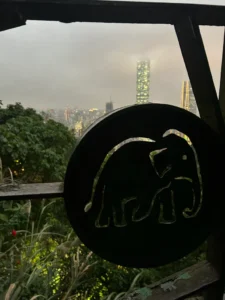
The hike is a short climb — about 45 minutes to the very top. From the moment one start, it’s stairs all the way up. Look out for the cute elephant designs on the railings along the path.
The main viewpoints are:
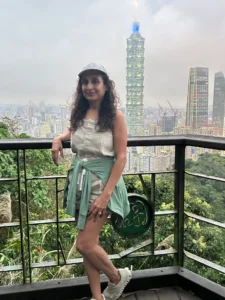
- Photographer’s Point – Taipei 101 looks the closest from here
- Six Boulders – large rocks where people sit and take photos, don’t stop, continue for a better vantage point.
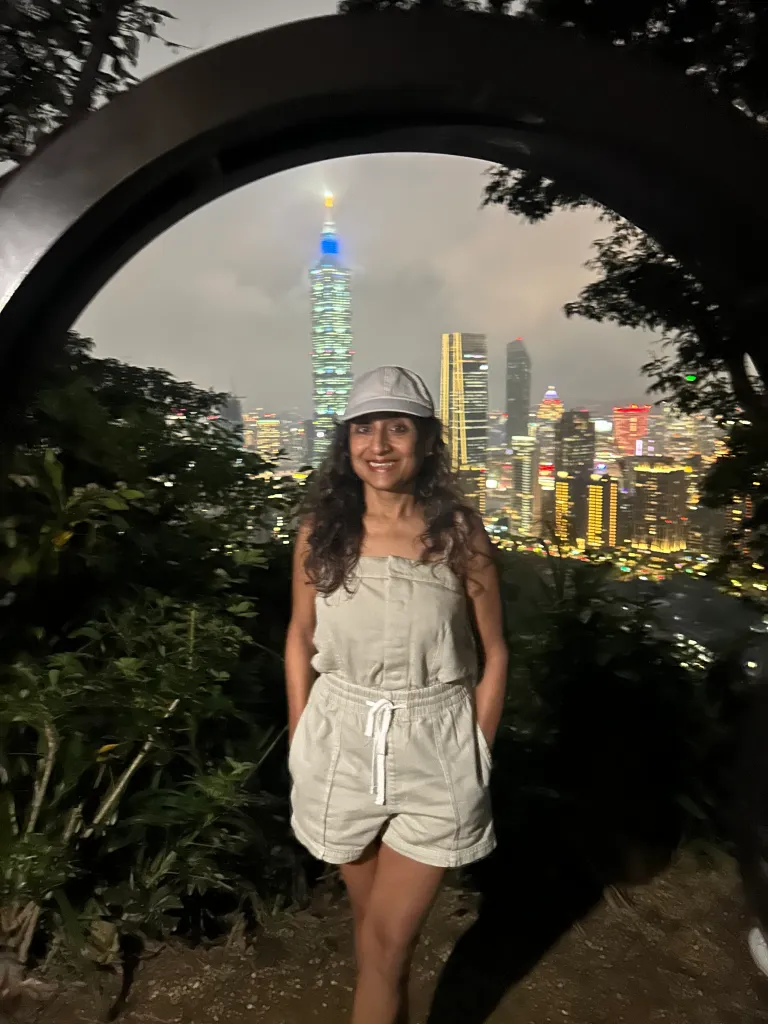
- The Peak – about 15 minutes further up, with a covered platform and the best city + Taipei 101 views
On the way down, one can take a different path to get new viewpoints. If hiking is on the agenda, continue from Elephant Mountain to Thumb Mountain and 9-5 Peak — the two main peaks of Nangang Mountain. They offer similar views as Elephant Mountain, but from higher up and with fewer crowds.
There are no shops for food or water on the trail. I spotted a public water fountain and an open-air gym area where locals work out, but that’s about it — so carry water.
Best time to go ? Sunrise or sunset for the views .
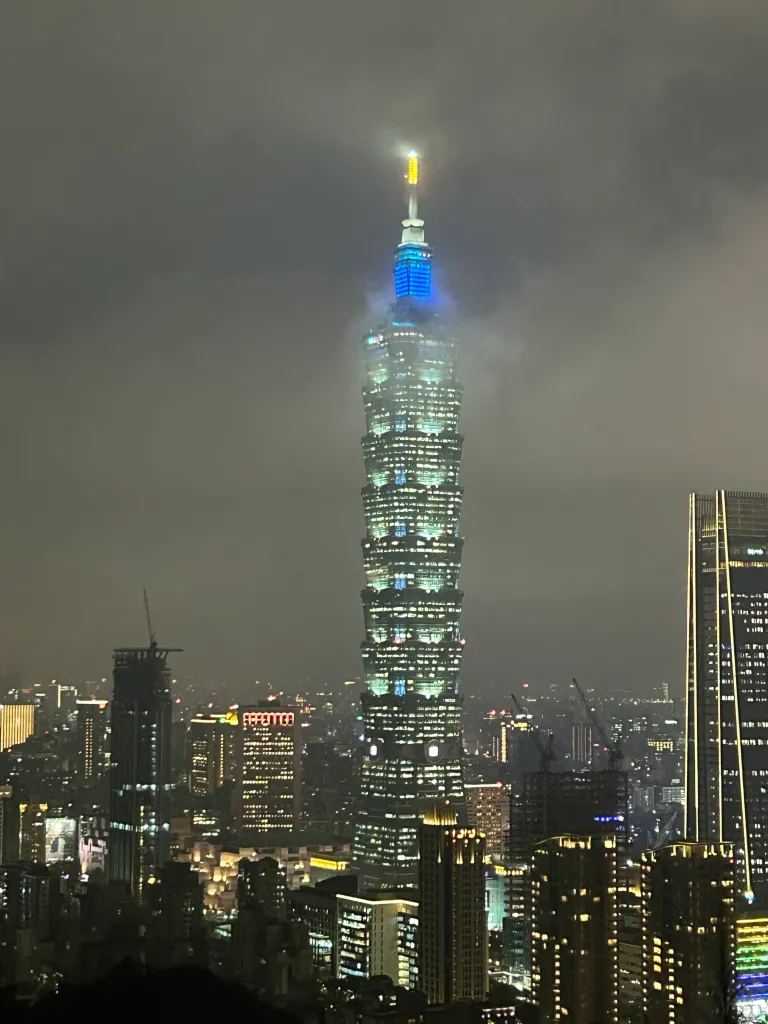
After the hike I went to Taipei 101. The experience was nice — the view, honestly, not half as good as from Elephant Mountain.
 Taipei 101
I was actually thinking of skipping Taipei 101 since I’d already seen amazing city views from Elephant Mountain. But I had an evening free, and curiosity won — this was the tallest building in the world from 2004 to 2010, until Burj Khalifa came along.
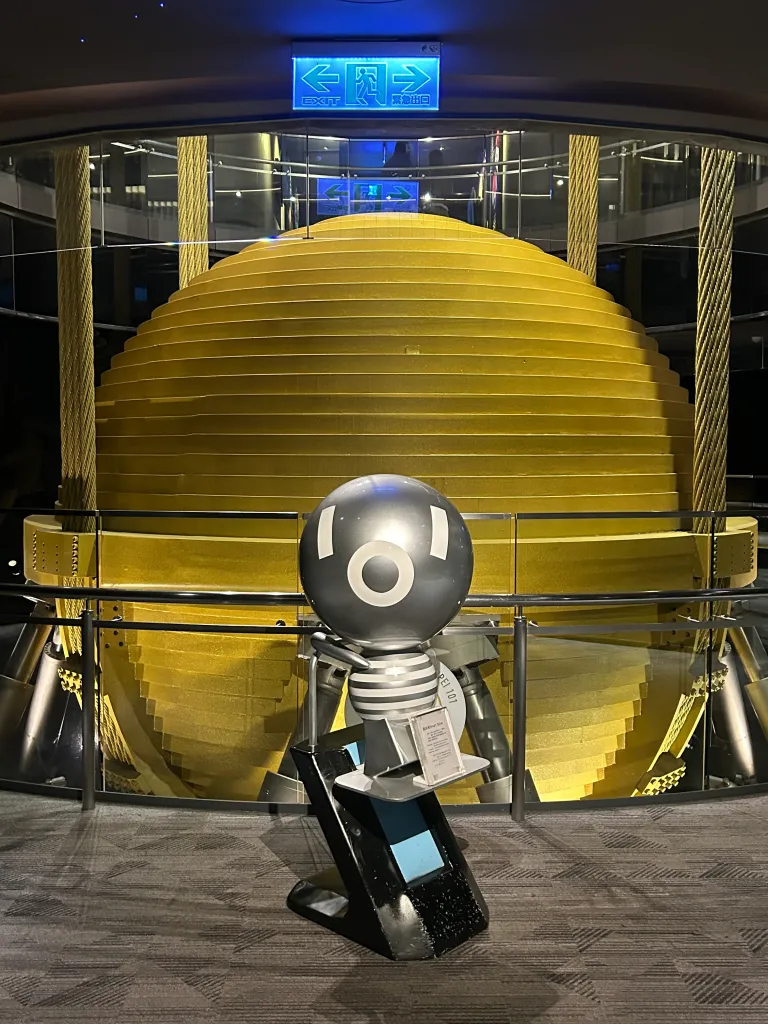
I also kept wondering: how does a city so prone to earthquakes dare to build something this tall? So I went mainly to see the world’s largest tuned mass damper, more than for the view — and it was worth it.
It’s a huge golden steel ball suspended between the 92nd and 87th floors. It acts like a giant pendulum, moving opposite to the building’s sway during strong winds or earthquakes and reducing the movement by up to 40%. one can actually see it from the observatory, and there’s a short video continuously playing that explains the mechanism in simple terms.
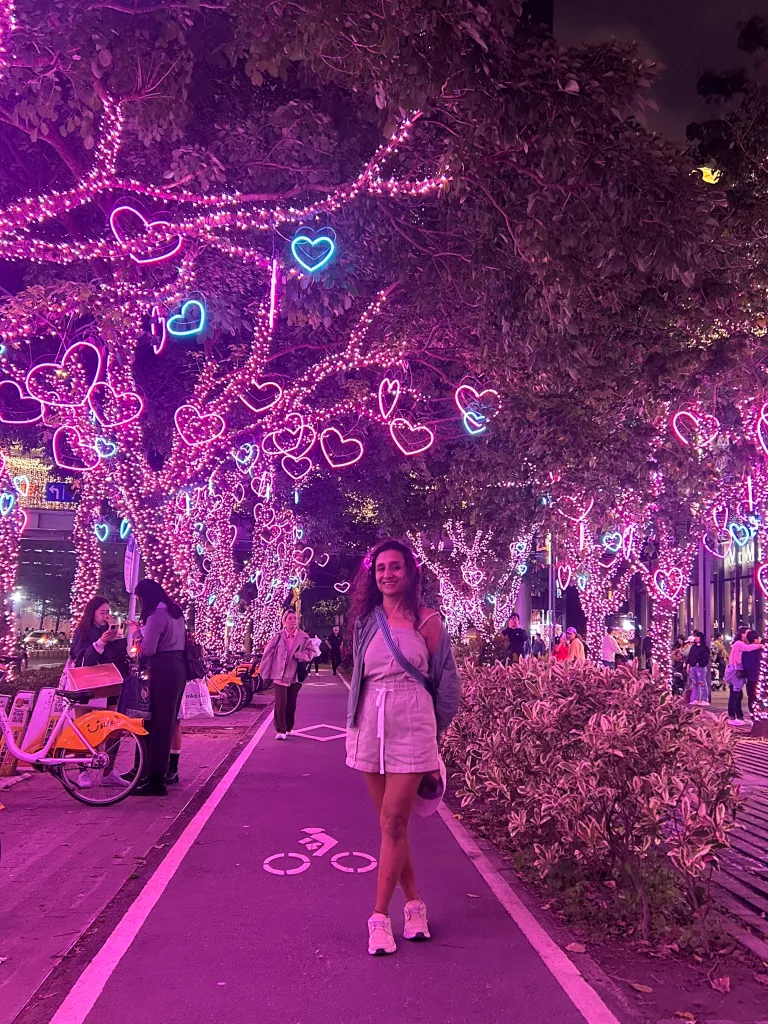
The observatory itself had Christmas displays when I visited — very cute photo spots everywhere. The elevator ride is part of the fun too; the screen shows speed and position, and it takes only about 30 seconds to go from the bottom to the top.
Inside the building there’s high-end shopping and a food court. Neither was of much use to me — too expensive and mostly non-vegetarian food. But the area around Taipei 101 has great vibes and lots of shopping, so it’s a nice place to spend an evening even if one does not go up to the top.



 Longshan Temple
There are temples all across Taiwan, but I chose Longshan Temple to experience local temple culture — and also because it’s one of the oldest, originally built in 1738. It has been damaged and rebuilt multiple times due to fires and earthquakes, yet it still stands beautifully.
The moment one steps inside, there’s a sense of calm that only places of worship that have existed for centuries seem to hold. I’d highly recommend visiting and giving yourself some time just to sit, observe, and feel that peace — it goes beyond any single faith.
There are three daily chanting ceremonies:
- 6:00–6:45 AM
- 8:00–8:45 AM
- 3:45–5:00 PM
If one would want to plan visit around them, it’s worth it. While the chanting is happening, visitors are still free to walk around respectfully and take in the atmosphere.
The temple has a namesake MRT stop, Longshan temple MRT. Alight form there & follow signages to the temple. One of the most famous walking street is a 20 minutes walk from Longshan, Ximending. Can combine both together. If possible go to the temple around sunset & to Ximending after that.

Longshan temple
 Ximending
Hop onto the MRT and get off at Ximen Station to reach Ximending Night Market. It’s a large pedestrian-only zone right in the middle of Taipei — lively, bright, and full of energy.
Ximending is known as the epicenter of trendy, youthful fashion in Taipei, with street performers, pop-up stalls, bubble tea everywhere, and lots of shopping.
On weekends it can get really crowded, so be prepared for shoulder-to-shoulder walking — but that’s also part of the fun.
It’s the best place for local clothes, cosmetics, and souvenirs — basically Taiwan’s version of Japan’s Harajuku. You won’t really find big international brands here (for that, head to Taipei 101), but that’s exactly the charm.
The whole area is car-free, so you can just wander around without worrying about traffic. Most shops start opening after 5 PM, and that’s when the vibe really picks up.
Japanese pop culture is huge here — you’ll see lots of shops with anime-style characters and vibrant colors everywhere. And speaking of Japan, there’s even a big Donki (Don Quijote) store in Ximending — with all the fun, but without the crazy queues you usually find in Japan.
Day trips from Taipei
 Beitou, Yangmingshan, Qingtiangang & Yehliu
These places are best done as a day tour. It can be quite difficult and time-consuming to manage all of them on your own using public transport.
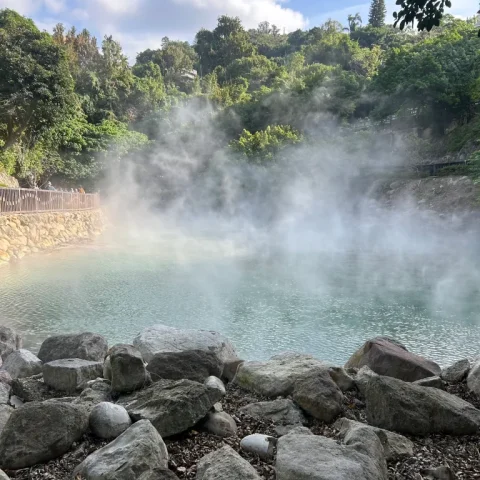
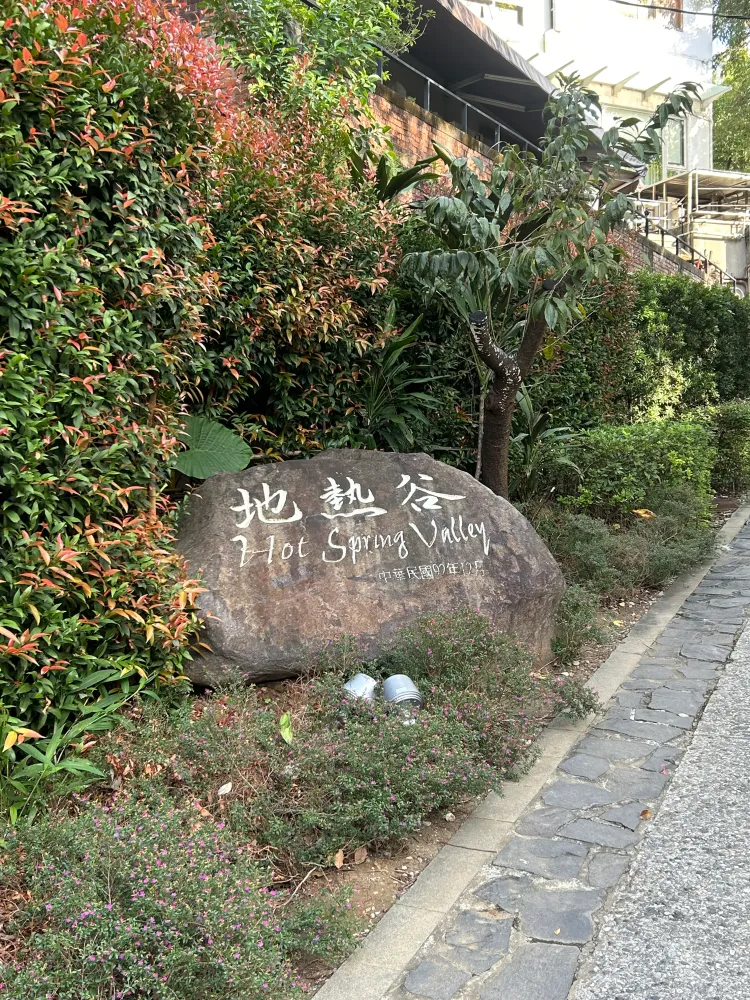
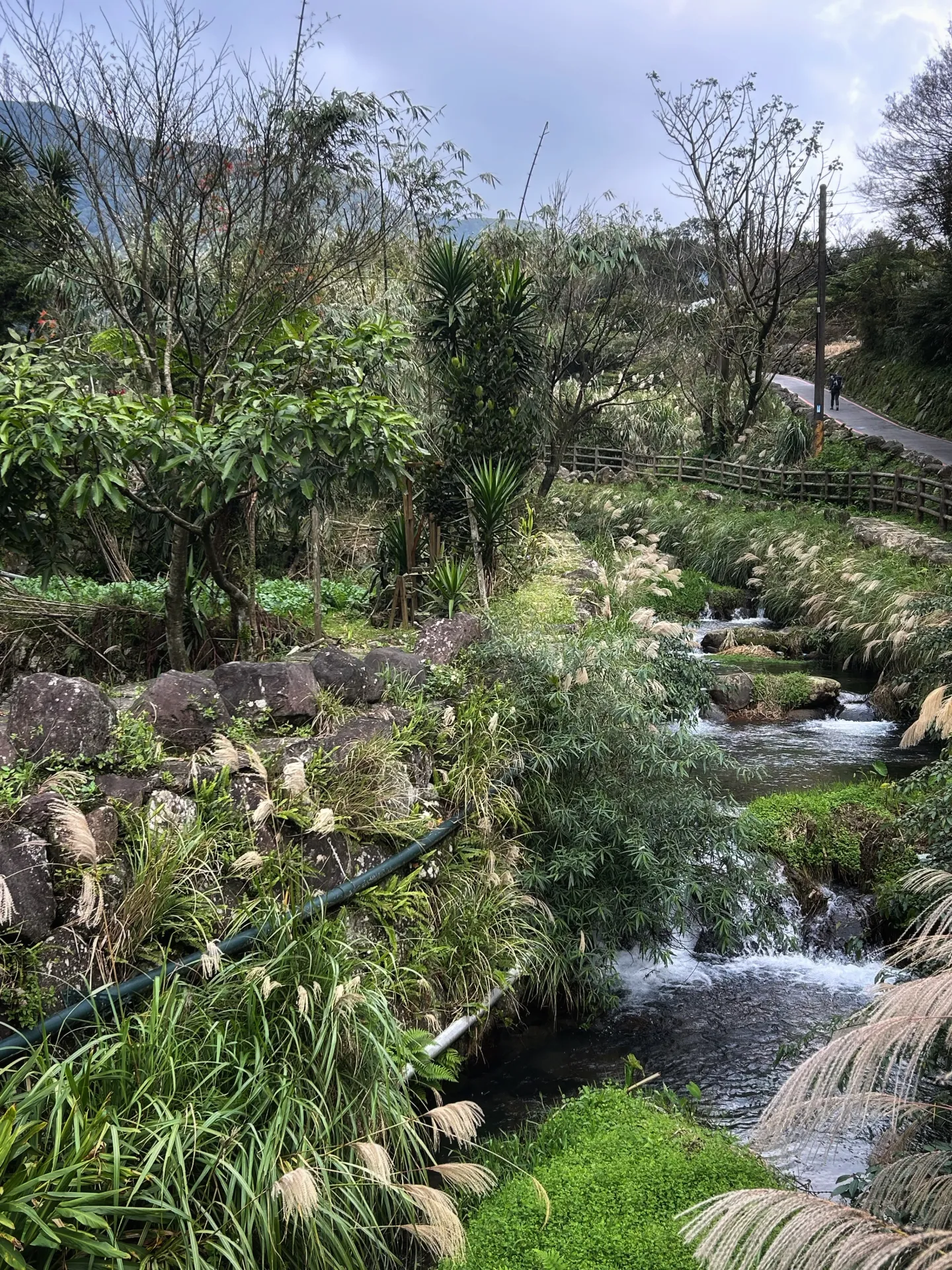
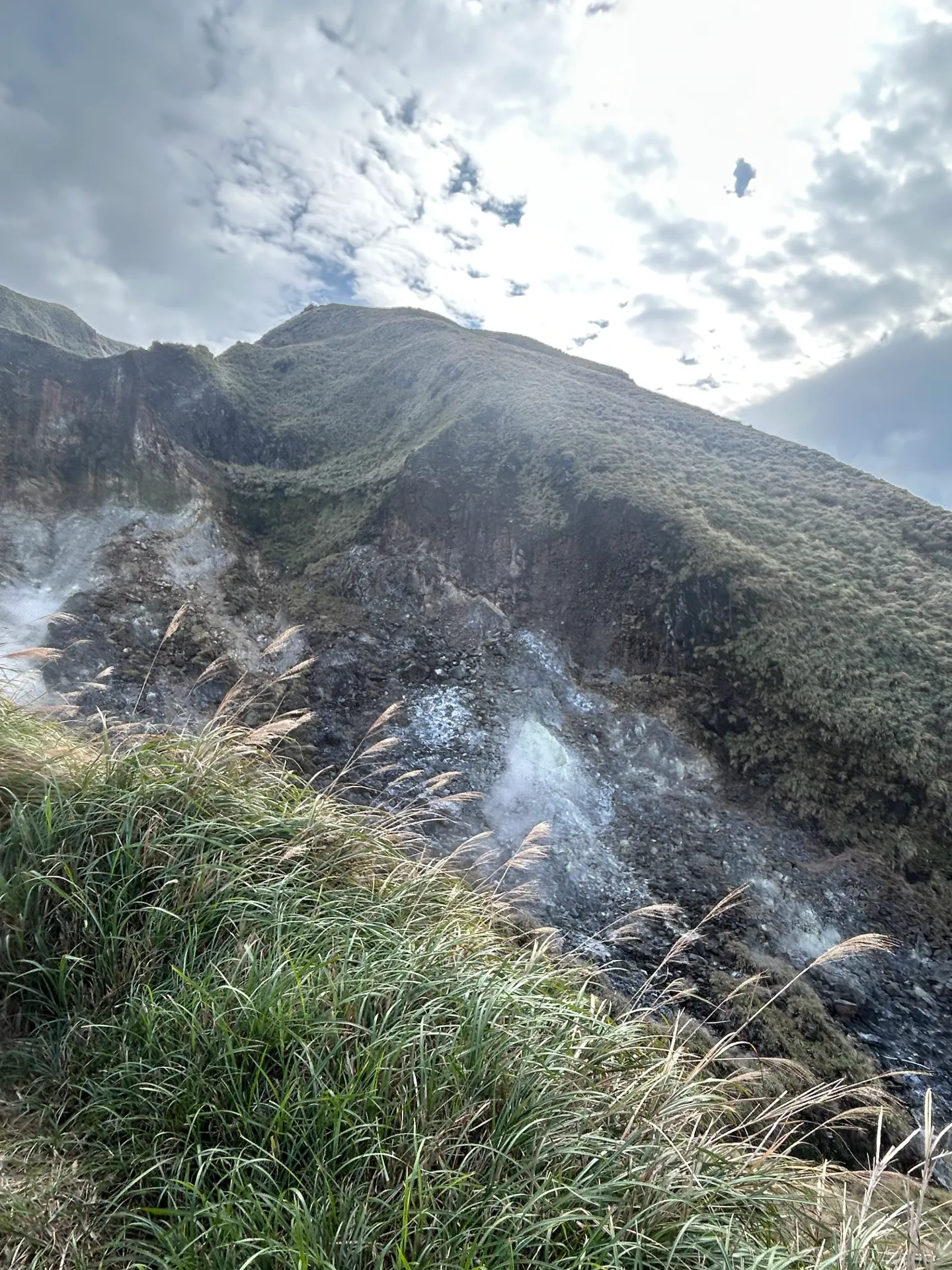
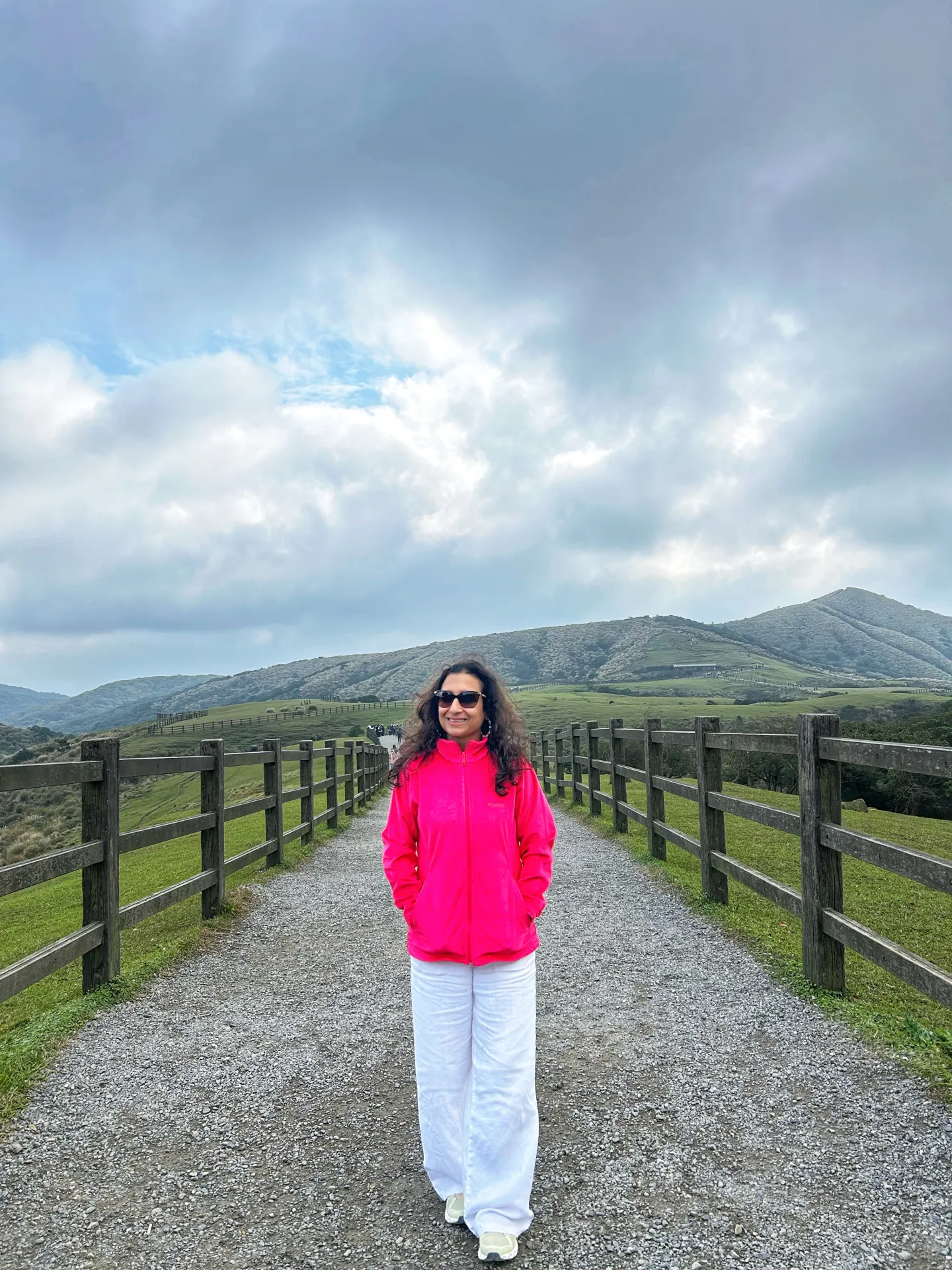
The tour I took started with Beitou — a small town just outside Taipei, at the base of the Yangmingshan mountain range, with a few nice hotels. The hot springs here have existed since time immemorial, but they really came into regular use in the early 1900s, mostly by wealthier Taiwanese and the Japanese.
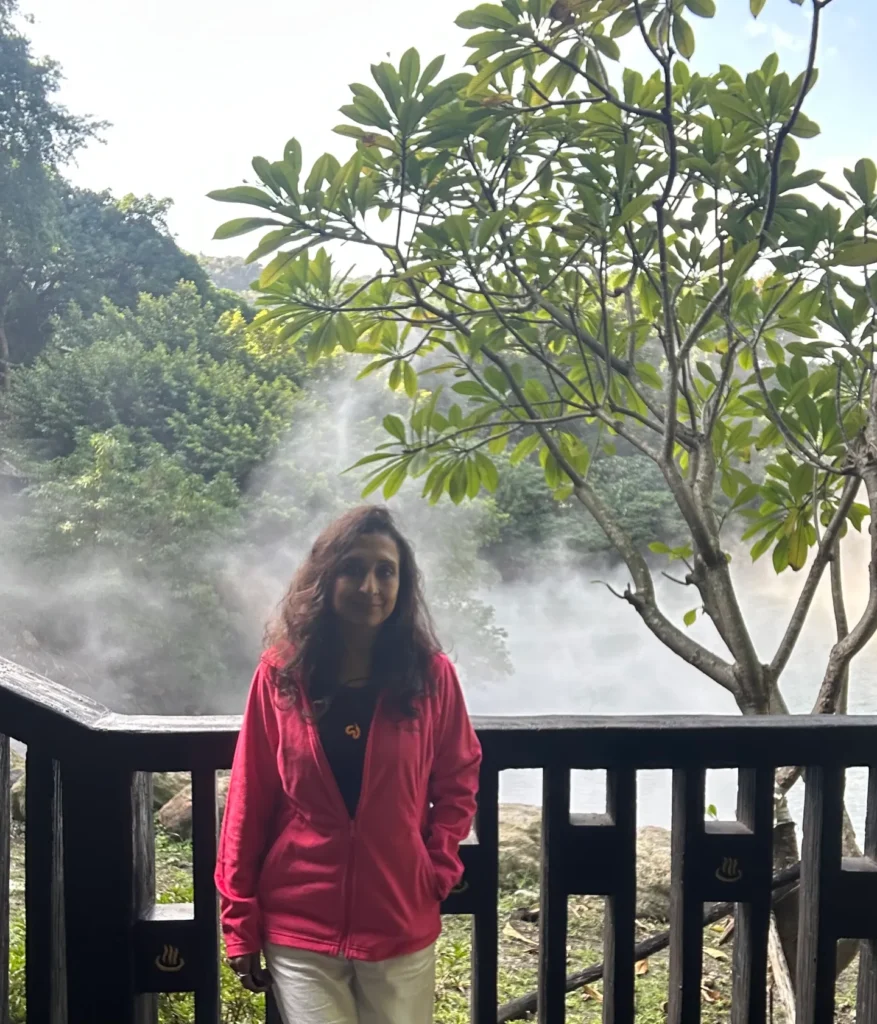
The best time to visit is in winter. As one walks along the paths around the steaming sulfur springs, one constantly get a strong whiff of sulfur. The mist hanging in the air and the bubbling water are such a surreal combination.
There’s a small seating area near the main pond at the top of a little hill. The seats are actually heated by the hot spring water flowing below. I didn’t realize it at first because the signage is mostly in Taiwanese, until someone kindly pointed and gestured for me to sit there. It was a cold morning, and even though the benches are stone, they felt wonderfully warm and comfortable. I sat there for as long as the tour would let me.
There’s also a small museum that showcases the history and geology of the valley. It takes barely 10–15 minutes to see — nice to visit and check the box.
One can also bathe in some of the many hot springs in the area — there are over 20 hot spring hotels and bathhouses to choose from. Prices vary, but in general, Beitou hot springs tend to be more expensive than other hot springs around Taiwan.
The hot springs come in two varieties:
- Japanese-style: separate-sex, nude baths
- Taiwanese-style: mixed-sex, clothed in bathing suits
Most places, even the public baths, also offer private rooms if privacy is preferred.
 Yehliu Geopark
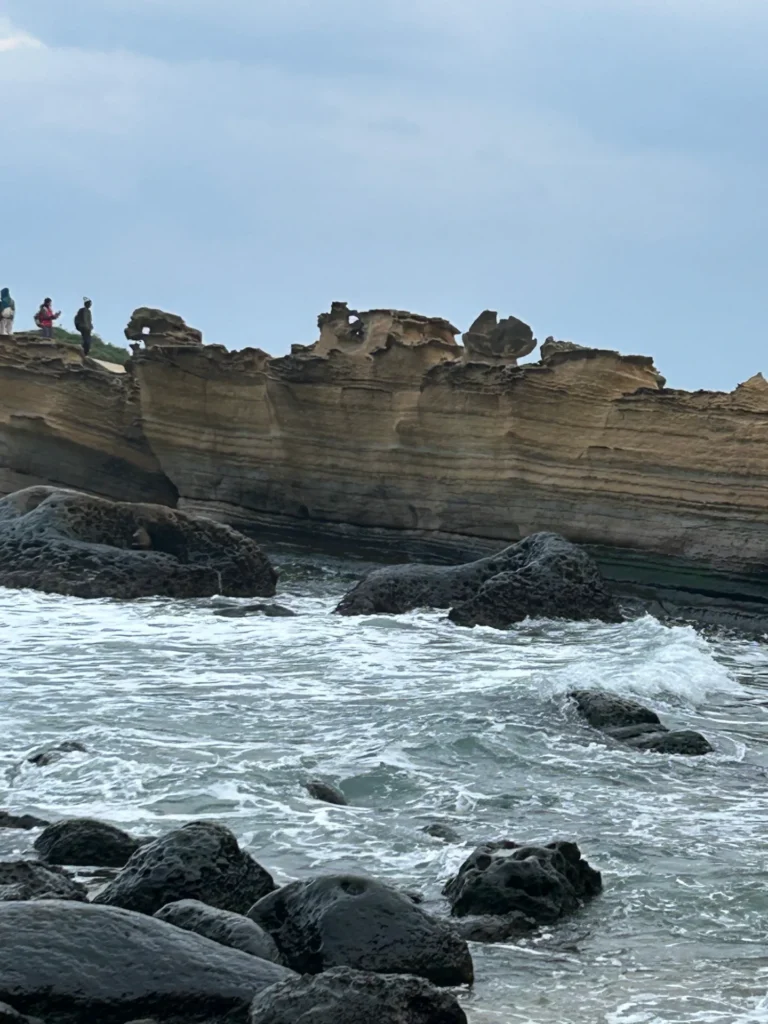
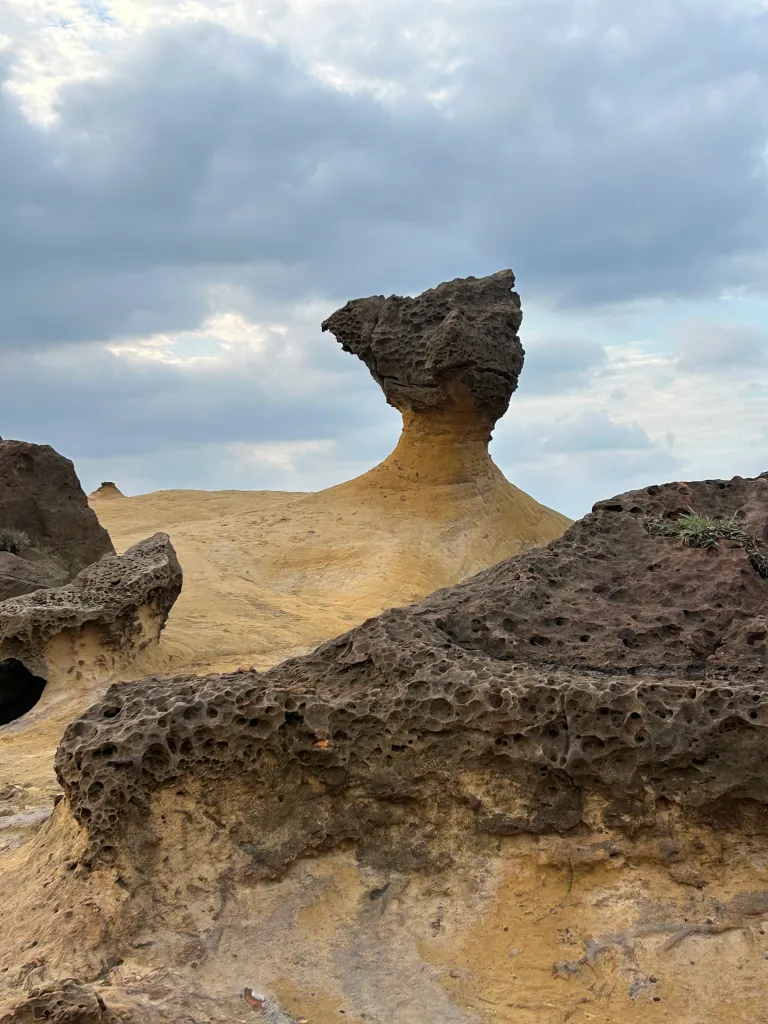
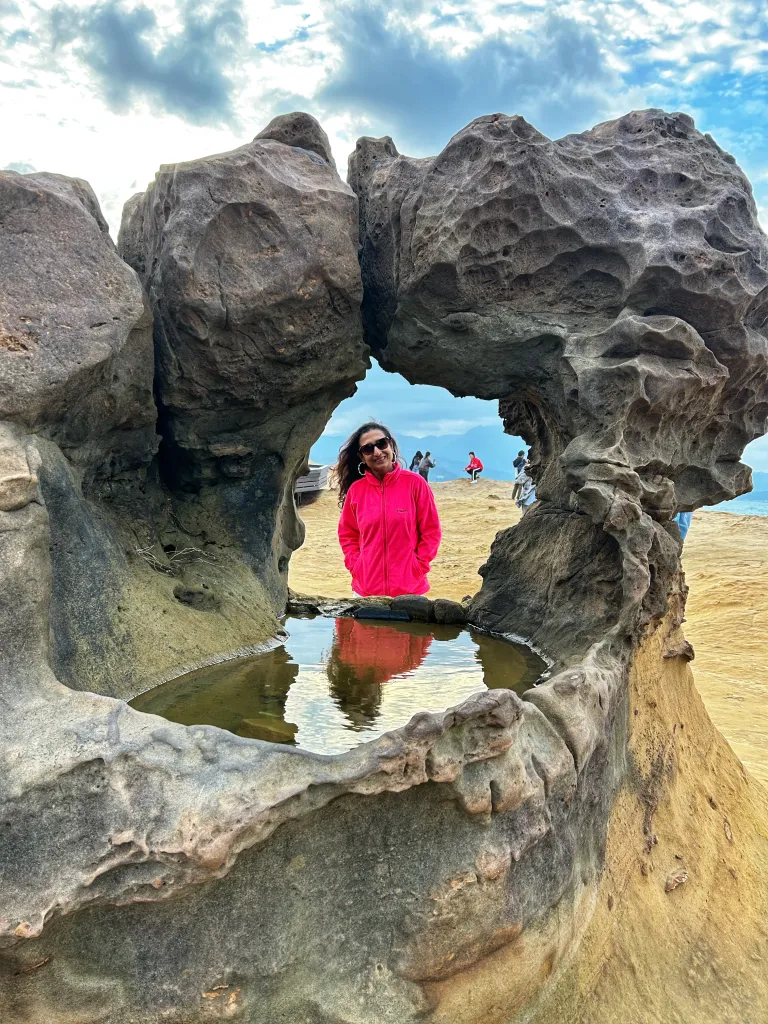
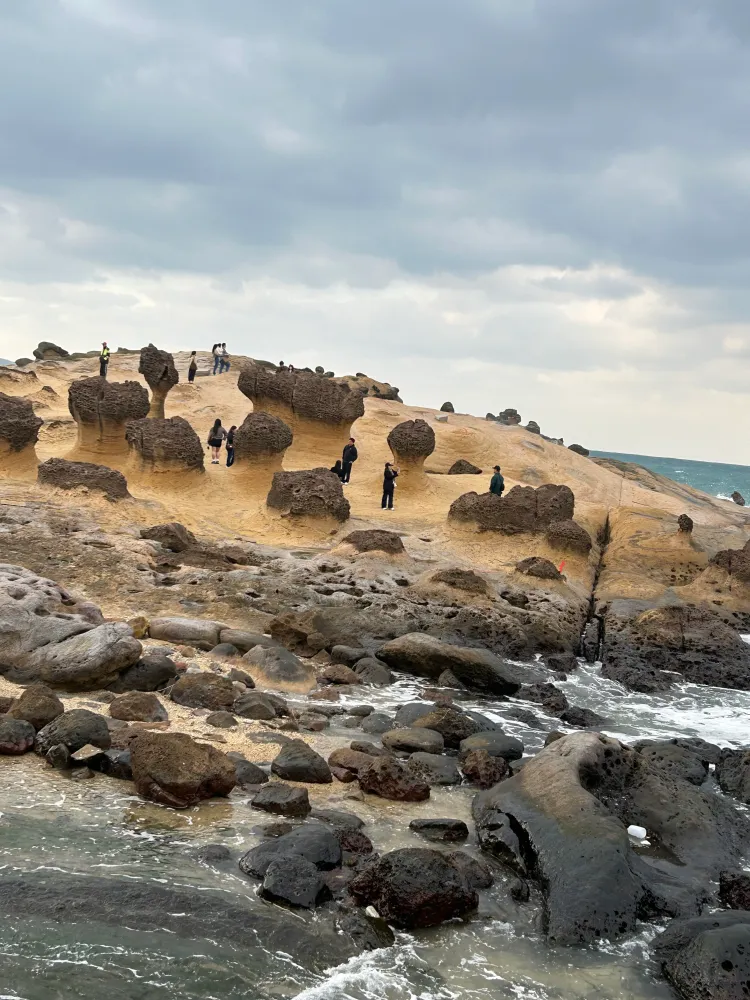
It sounds hectic, but the last stop one can squeeze in for the day is Yehliu Geopark. The park is full of strange, otherworldly rock formations, each with its own character — some aptly named, others just naturally mesmerizing. Walking through it felt like a scene straight out of a Star Trek movie.
The most famous landmark is the Queen’s Head, and yes, there’s usually a line to snap a photo with her. I skipped it, because so many other formations were equally fascinating. Even the unnamed rocks, thousands of years old, had their own charm and couldn’t be ignored.
Part of the Datun mountain range, with the sea stretching alongside, Yehliu was a perfect way to end a very busy day. After taking photos to your heart’s content, be sure to sit along the shore for a few moments and simply soak in the views — it’s a peaceful, grounding way to end the tour.
 Jiufen & Shifen
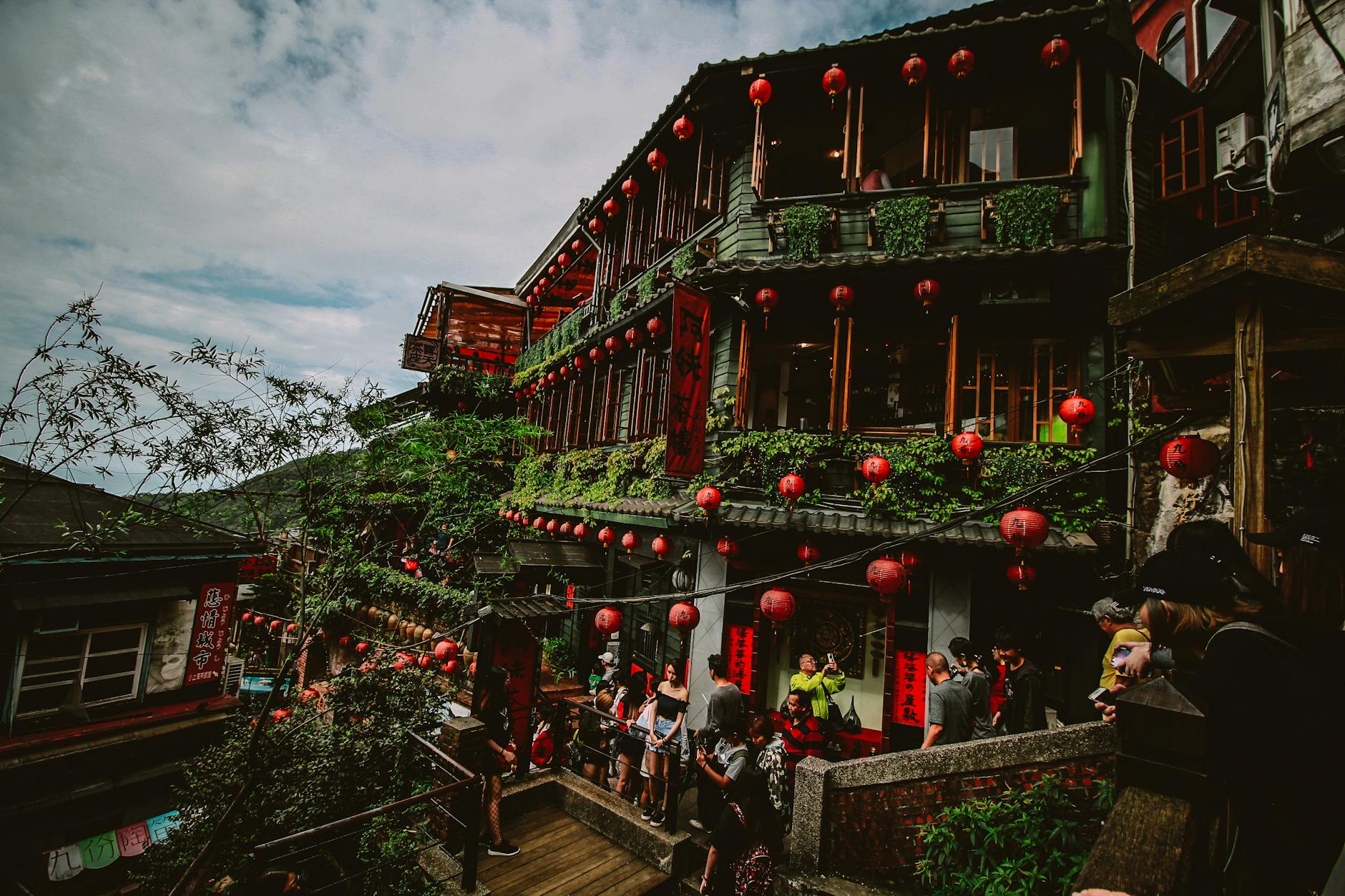
Jiufen and Shifen are another must-do day trip from Taipei, but unfortunately, I didn’t have enough time to visit on this trip — maybe next time!
These towns are famous for their lantern-lit streets and ethereal atmosphere, and Shifen is home to some impressive waterfalls. I would have loved to see them after sunset, when the lanterns glow and the whole place feels magical.
Taichung
Just an hour away from Taipei by high-speed train, Taichung is a smaller city that makes a great base for day trips to Sun Moon Lake, Cingjing Farm, and Alishan.
Within the city itself, you can explore highlights like the National Taichung Theater, the colorful Rainbow Village, and the scenic Gaomei Wetlands.
 Taichung — What to See in a Day
All three sights can easily be covered in one day.
 National Taichung Theater
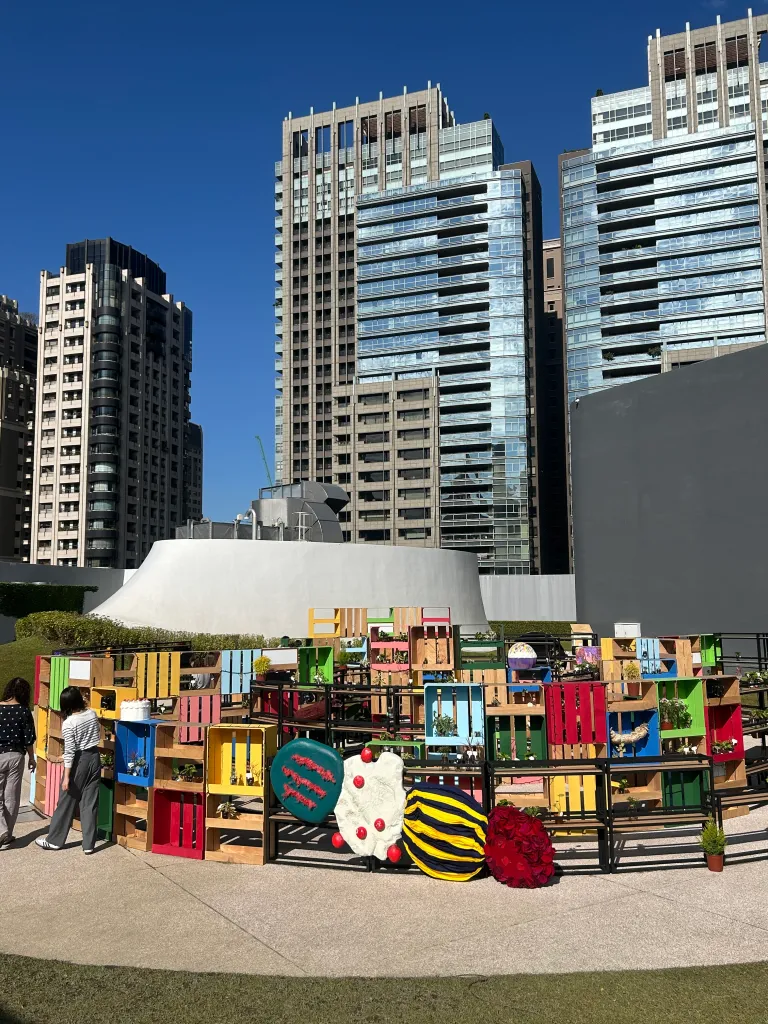
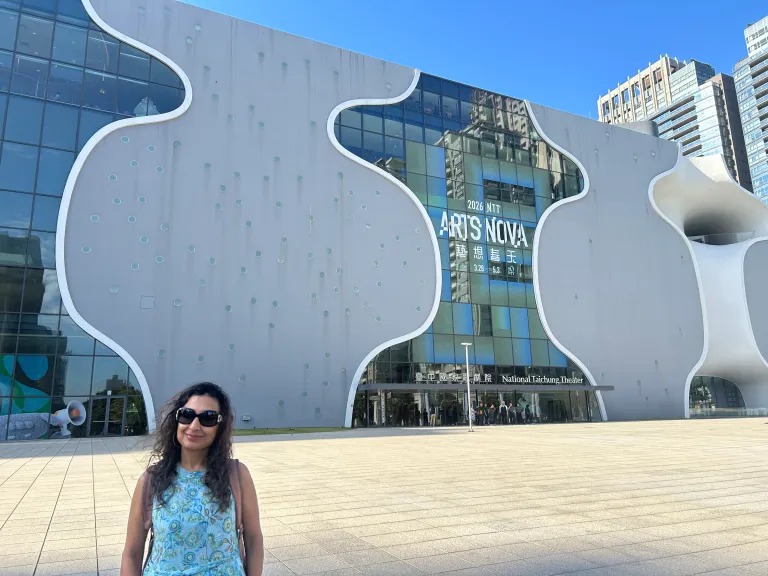
Start here — entry is free. Designed by a Japanese architect, the building itself is the highlight. It’s constructed without supporting pillars or 90-degree walls, and the curves make it feel almost organic. Inside, there are performance venues, open event spaces, an outdoor plaza, and a rooftop sky garden (with a café — lovely stop if the weather is nice). Even if not watching a show, the architecture alone makes it worth a visit.
Rainbow Village
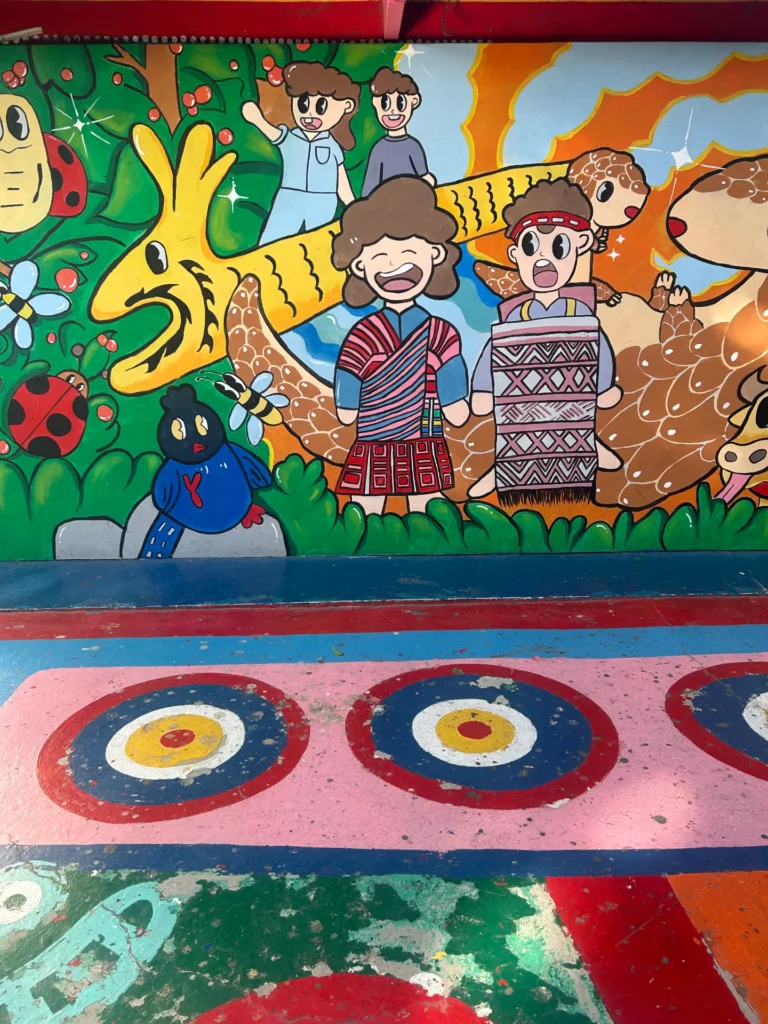
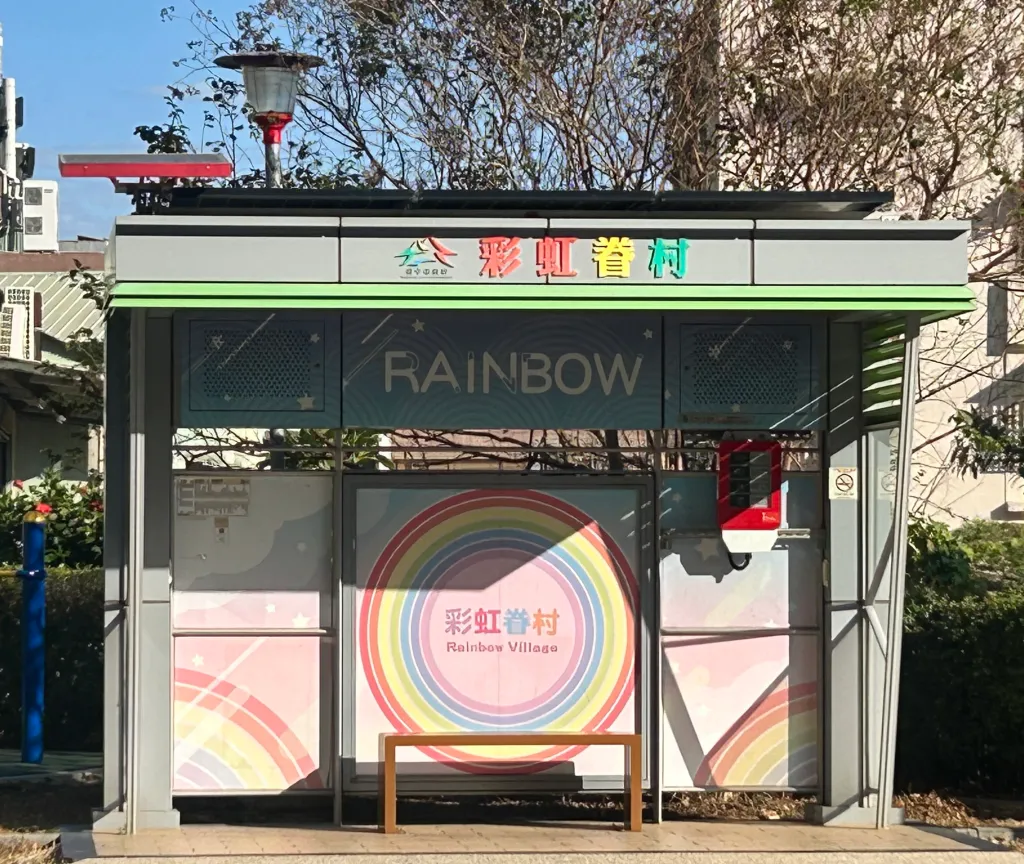
Next, head to Rainbow Village — though honestly, this one was a total miss for me. It’s basically a few brightly painted houses and a cute bus stop. That’s about it. Pop in only if you want to tick it off the list, otherwise you can happily skip and not feel FOMO.
 Gaomei Wetlands — Sunset Only!
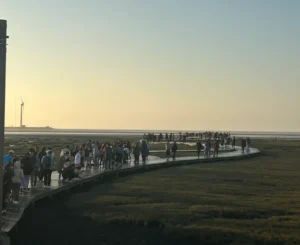
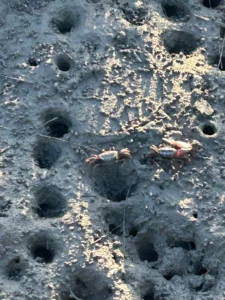
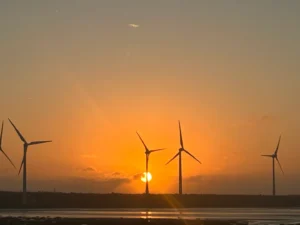
A little away from the city lies Gaomei Wetlands, and this is one place that’s worth timing right — visit only at sunset. It’s spectacular. The landscape opens up into a vast stretch of mudflats, dotted with crabs and migratory birds, framed by giant wind turbines that complete the dramatic skyline.
There’s a long wooden boardwalk for easy walking, although the strong winds can make even that feel like a mini adventure. At the end of the boardwalk, many people take off their shoes and walk barefoot on the mudflats. It was far too windy for me to even take my hands out of my pockets, but I definitely saw braver souls out there enjoying it!
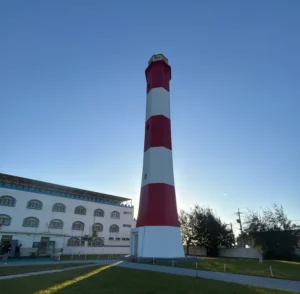
Across the road from the viewing area stands the Gaomei Lighthouse — a striking red-and-white landmark. Its light has since been relocated to the Taichung Port Lighthouse, so today it mainly serves as a photogenic sightseeing spot and part of the scenic landscape.
Sunset here isn’t just about the sky — it’s the reflection on water, silhouettes of windmills, the vast horizon, and that feeling of being surrounded by nature. Truly memorable.
 Alishan — A Day Trip That Still Feels Magical
Soft mist, quiet moods, and a magic that follows you home 
From Taichung, I visited Alishan as part of a tour. I would have loved to make it an overnight trip, but a few practical reasons held me back:
- I didn’t have enough days in hand
- public transportation logistics looked daunting for a solo traveler
- hiring a private car for one person was quite expensive
- accommodation options inside the park were sold out, and staying nearby would have been difficult without a car, since there aren’t many taxis in the area
After a lot of deliberation, instead of giving up on my dream of visiting this mystical place, I compromised and booked a day tour. If one can stay overnight, it would be magical to catch the famous Alishan sunrise — but even as a day trip, I felt I managed to see and experience quite a lot.
It’s a long 3.5-hour journey each way from Taichung. Because the start is very early, you can either nap or simply enjoy the beautiful mountain scenery along the route. Honestly, the drive didn’t feel tedious at all.
Once in Alishan, or even along the way, there was a bus stop with plenty of stalls selling local wasabi products. Wasabi was originally cultivated here by the Japanese. Large-scale farming was banned around 2010 due to soil erosion, but it has gradually been reintroduced in greenhouse cultivation. Wasabi is sold in many forms — powder, paste, snacks, and even ice cream.
If time is not am issue stay overnight. If not — don’t skip it. Even as a day tour, Alishan still feels every bit as mystical as you imagine.
Lost in a cloud-forest where the trees are older than stories 
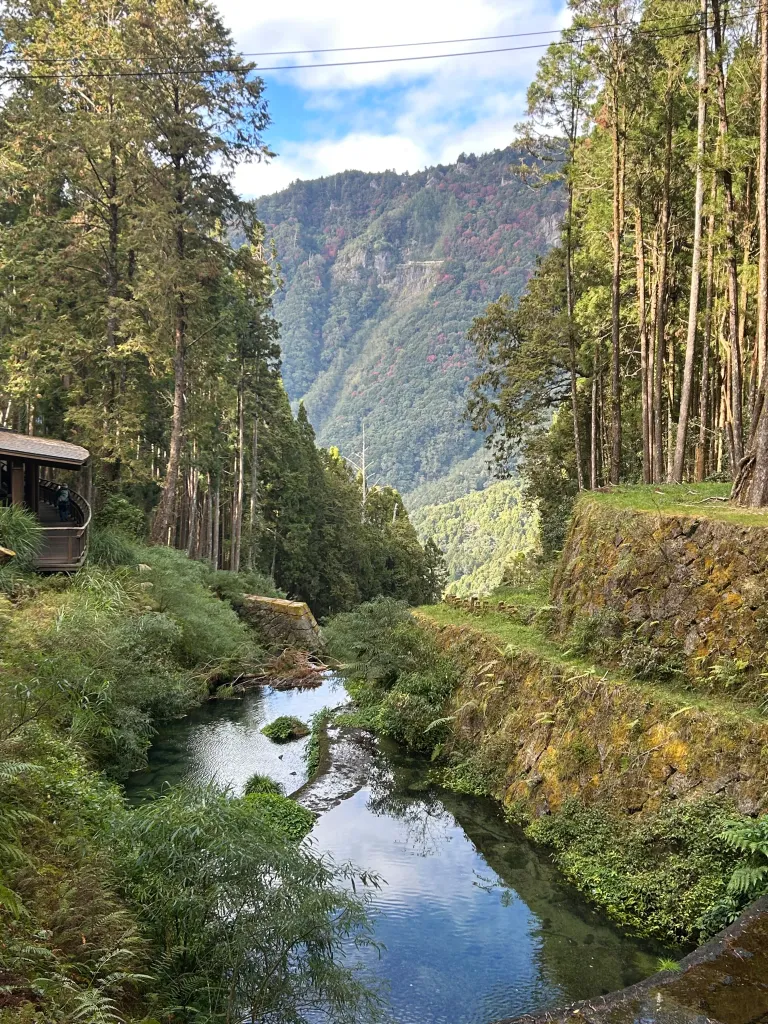
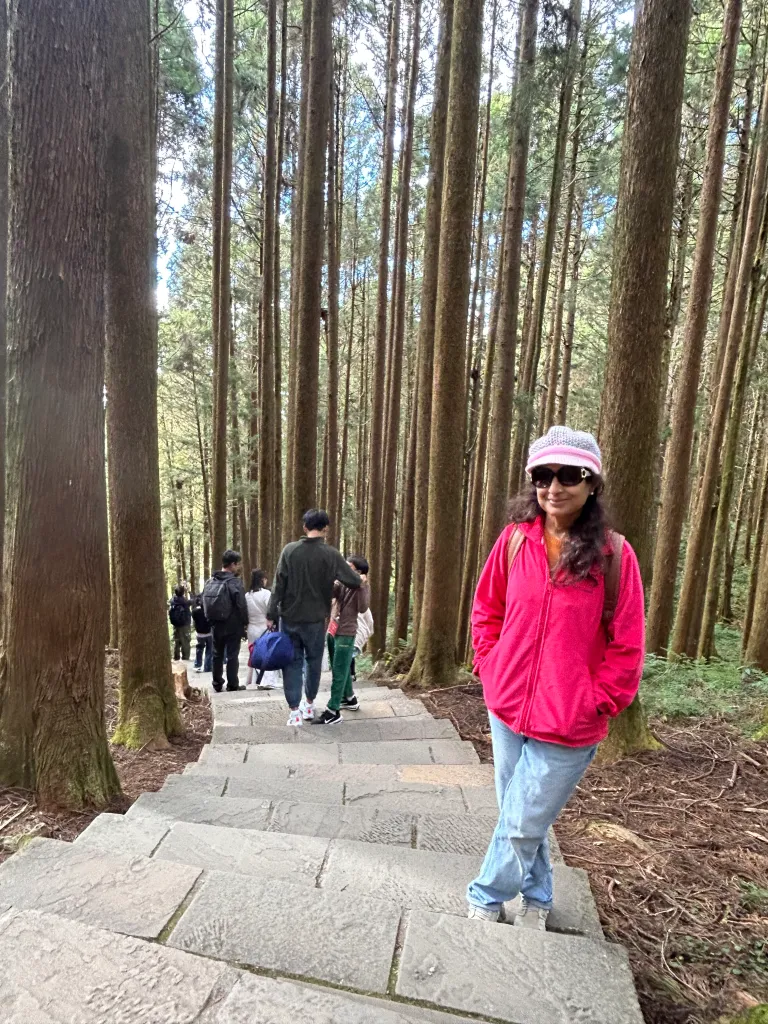
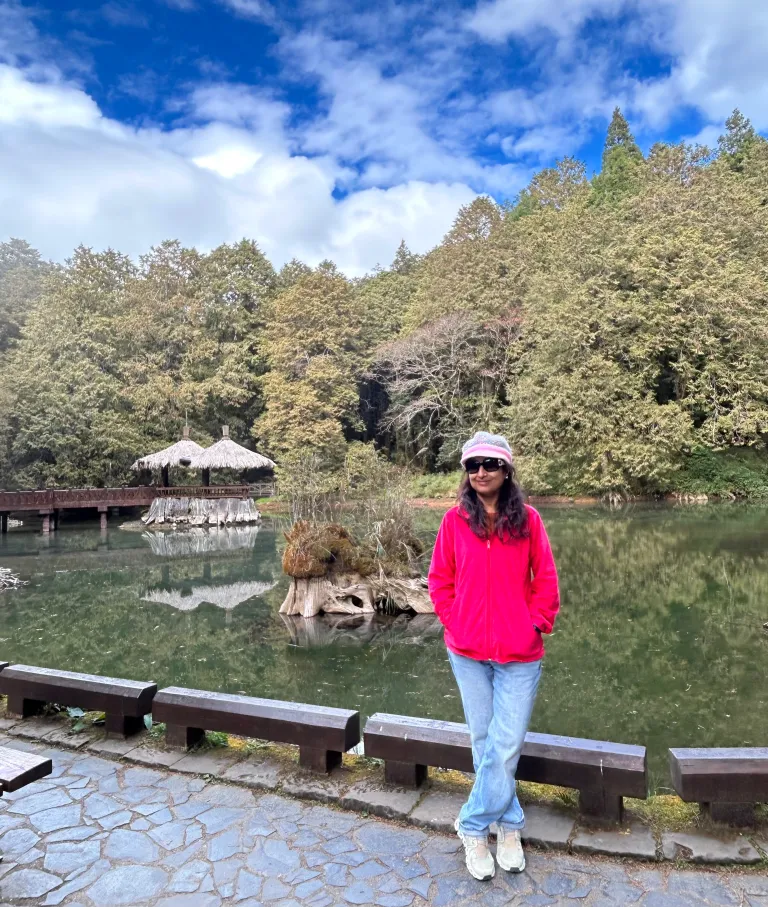
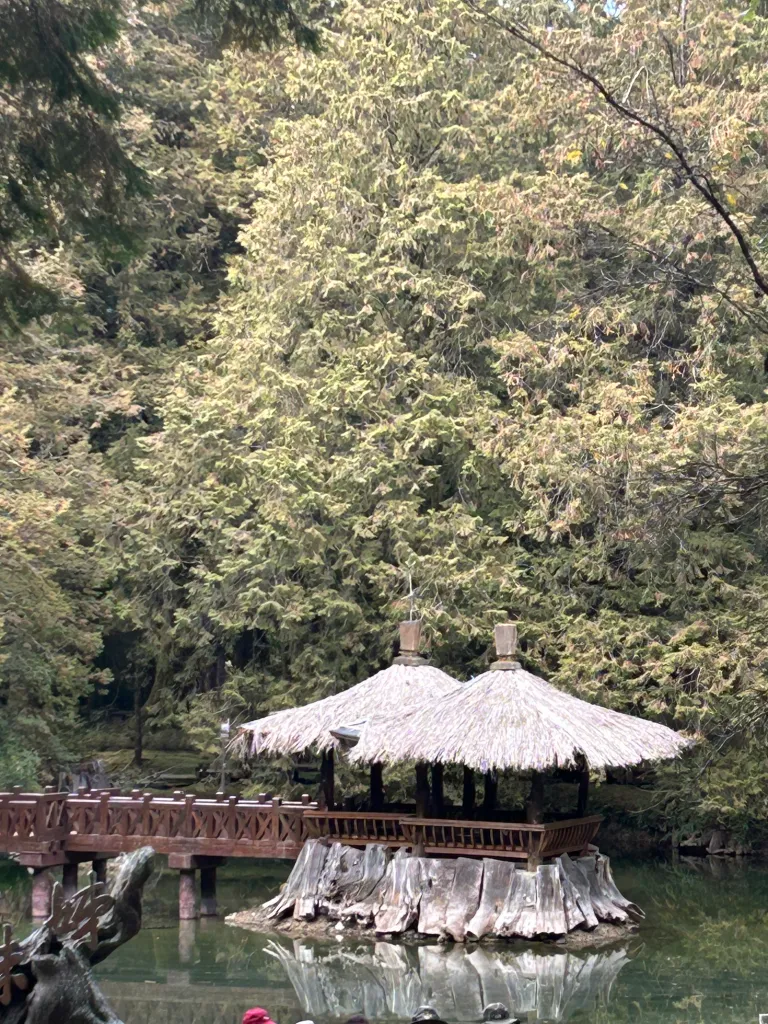
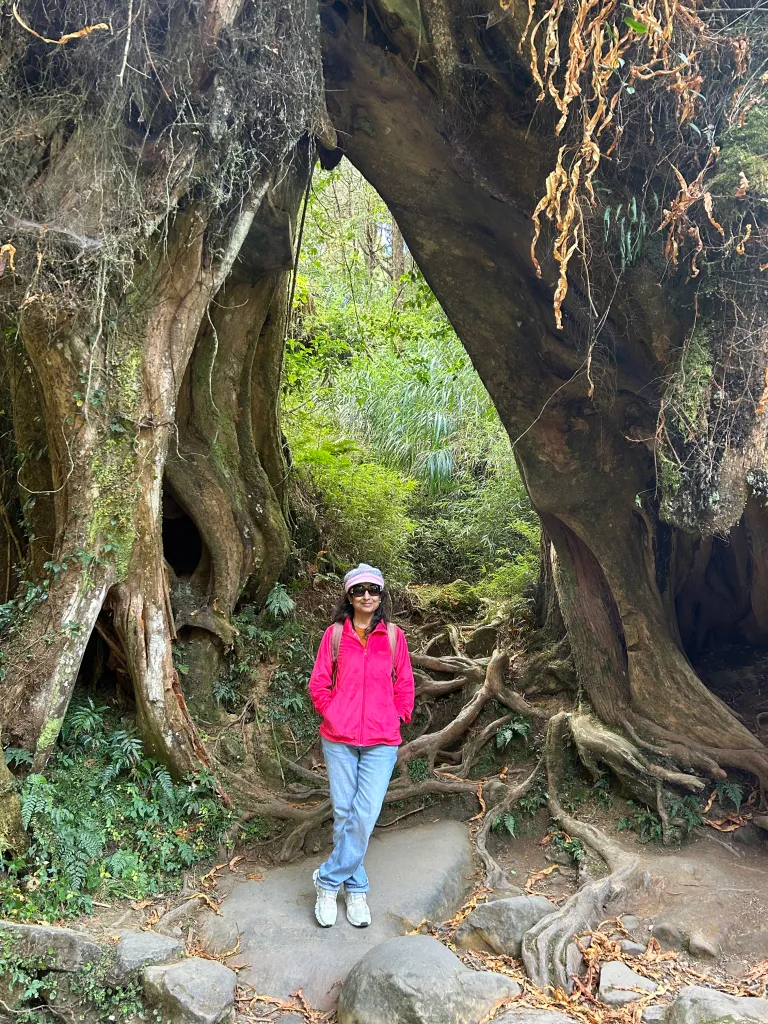
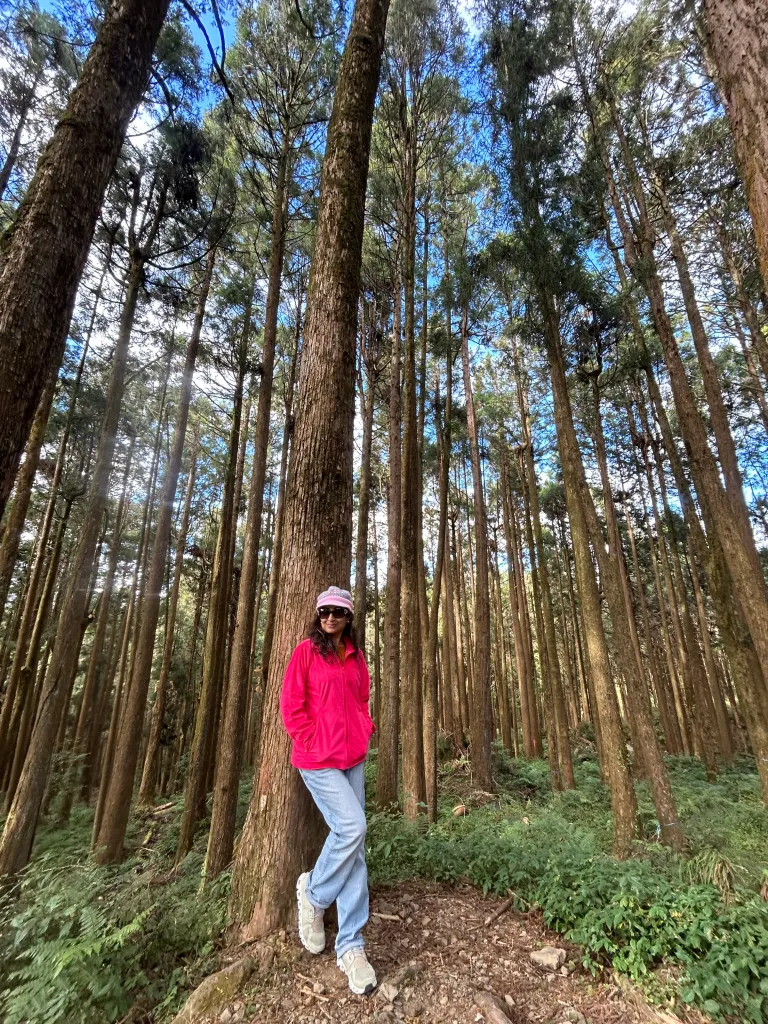
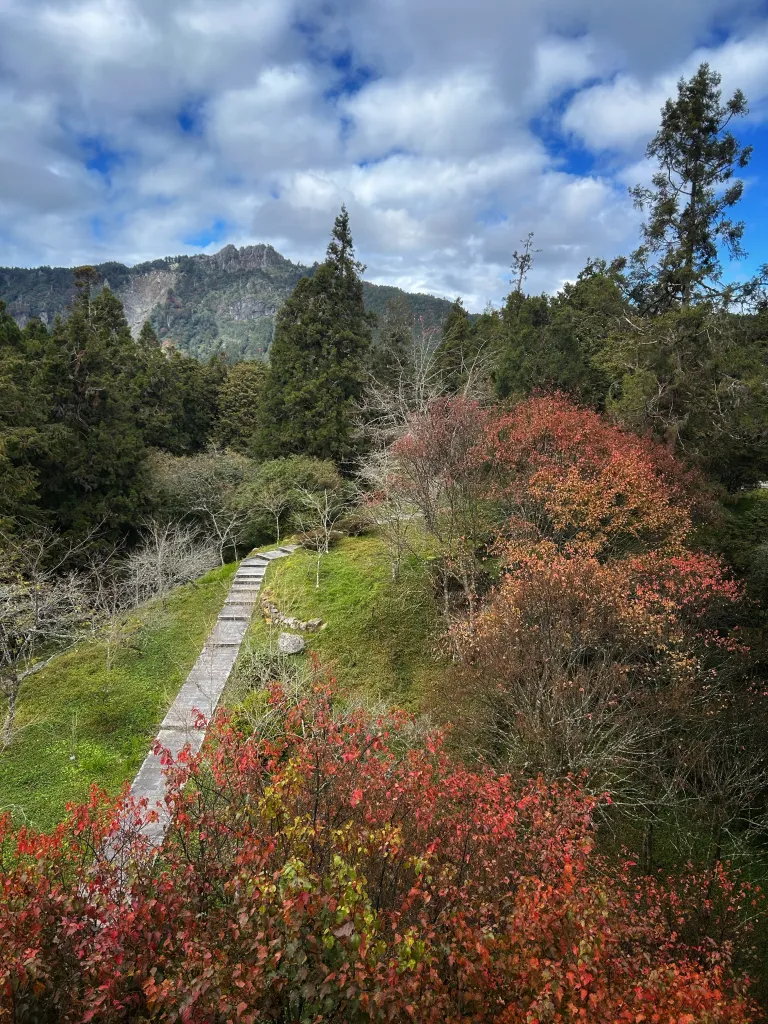
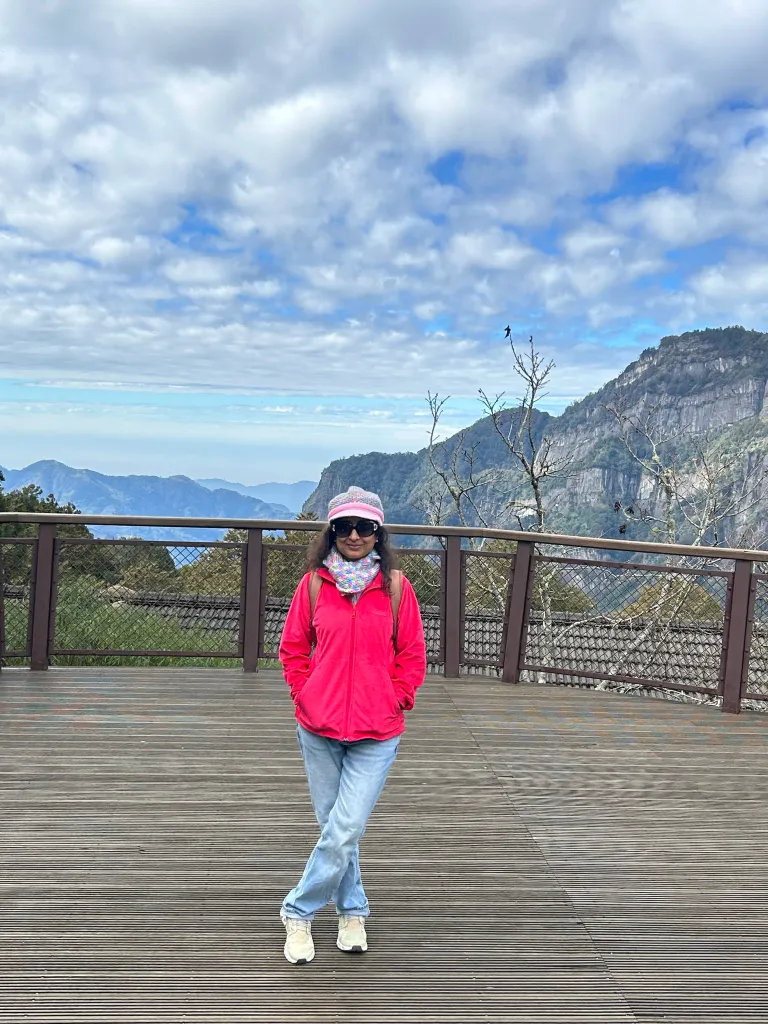
Alishan National Forest Recreation Area is pure magic. There’s a small entry fee and a visitor centre where you can pick up a free map — and then you’re officially inside the mist.
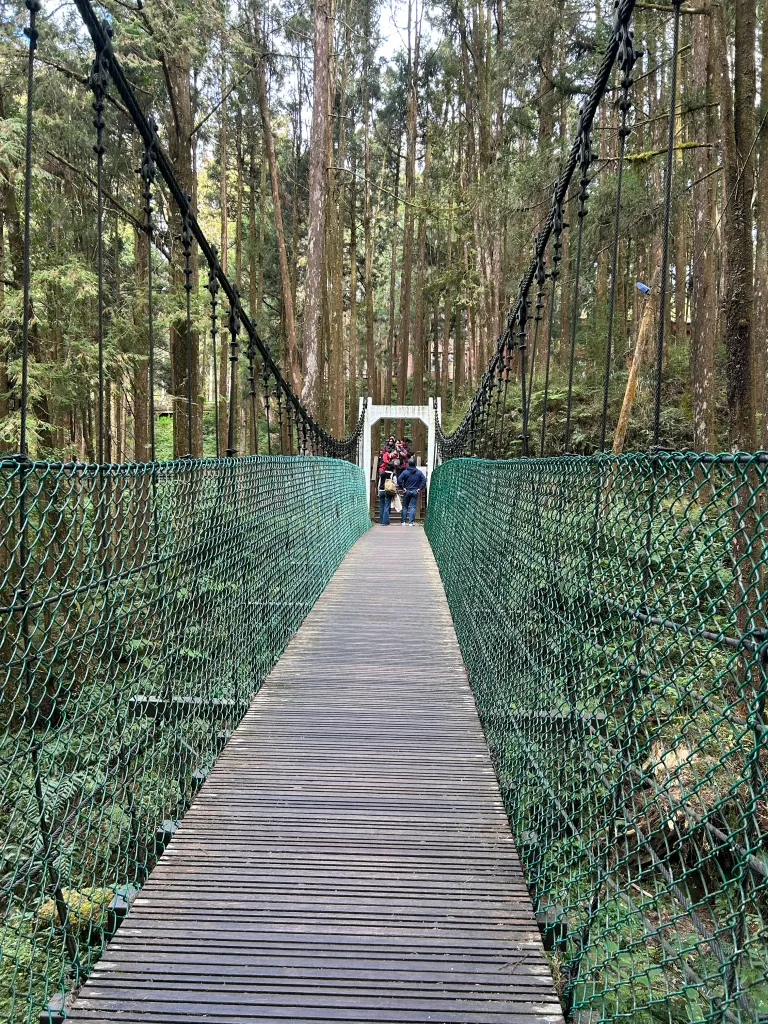
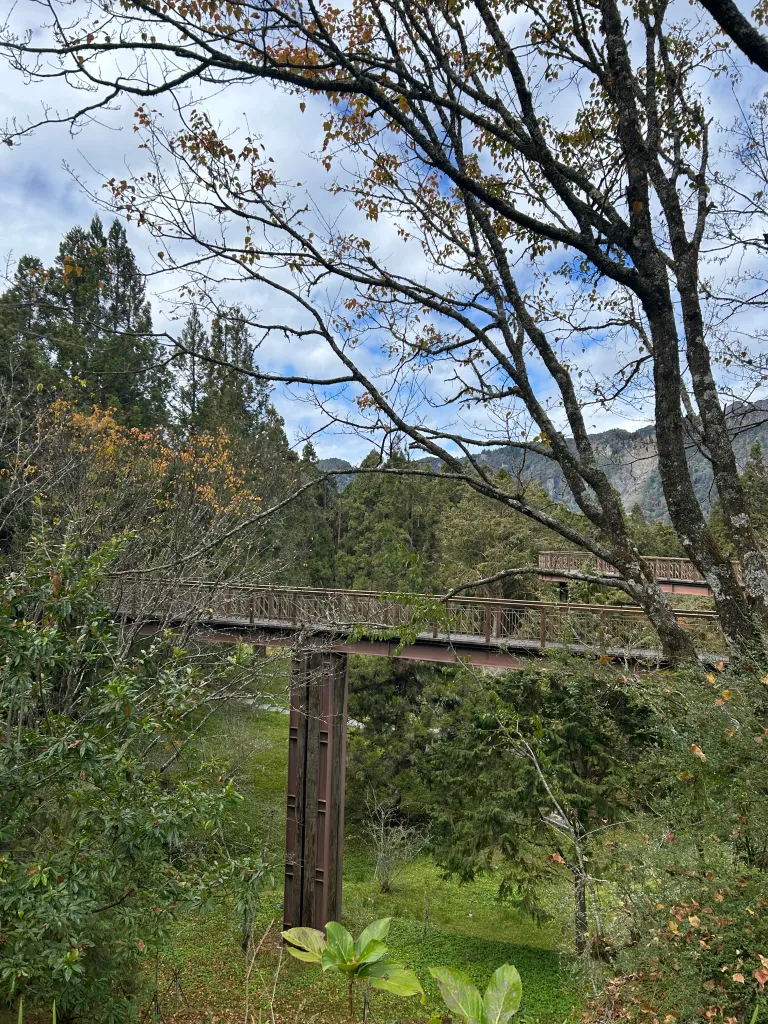
Think towering cypress trees, soft light, wooden boardwalks and that calm, hushed feeling you don’t forget.
No “roughing it” here — it’s super easy to navigate: clear paths great signages in English cafés & restrooms when you need them
Everything one needs … but discreet, so nature still takes center stage.
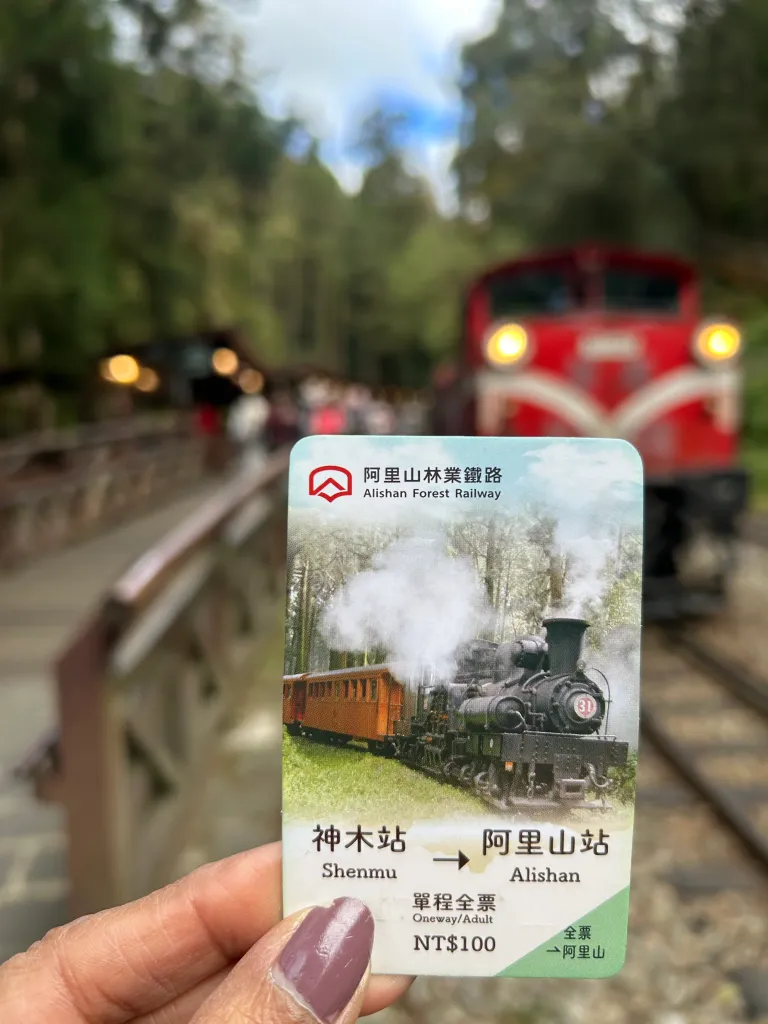
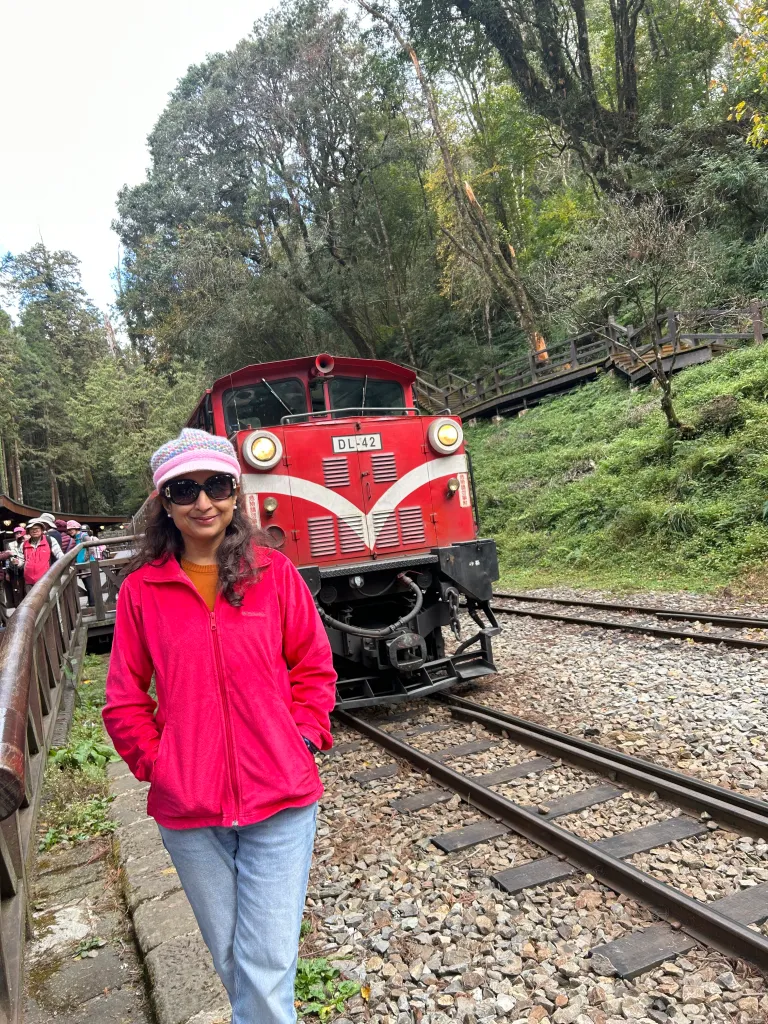
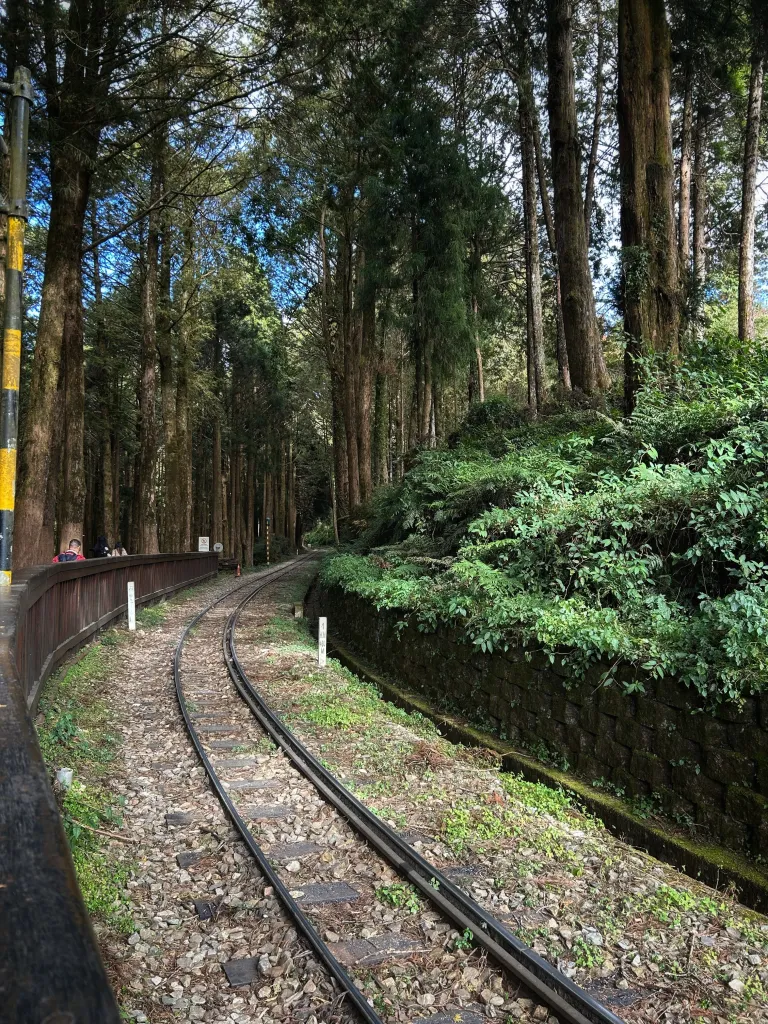
Alishan Forest Railway is one of the most scenic train rides in Taiwan, winding through tea plantations, forests, and little mountain villages. Tickets are hard to get, and the full journey from Chiayi to Alishan takes about 3–5 hours each way, so an overnight stay is ideal. Just for the experience, there are shorter rides within the forest too.
Key stations for short rides
Alishan : The main hub where there is the start and end journeys, connecting to other forest lines.
Zhaoping : A short, quick ride from Alishan Station (about 7 mins), ideal for starting walks to the Sacred Tree area.
Shenmu : Located further along, it’s a good spot to get off and walk back towards Alishan, taking about an hour to walk from Zhaoping.
Chushan : Famous for sunrise viewing; runs early morning with a special timetable.
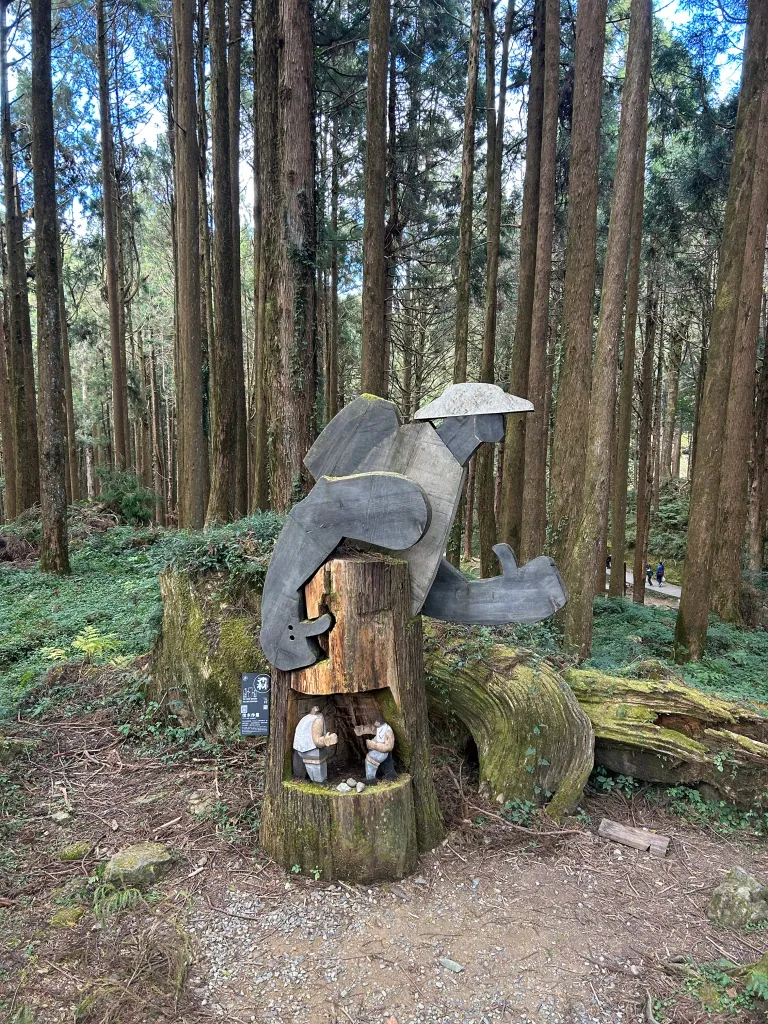
Don’t miss inside the forest: Sisters Ponds – named after a local legend Giant Tree Boardwalk – walk among ancient cypress giants
 Three Generations Tree – over 1,500 years of history in one trunk
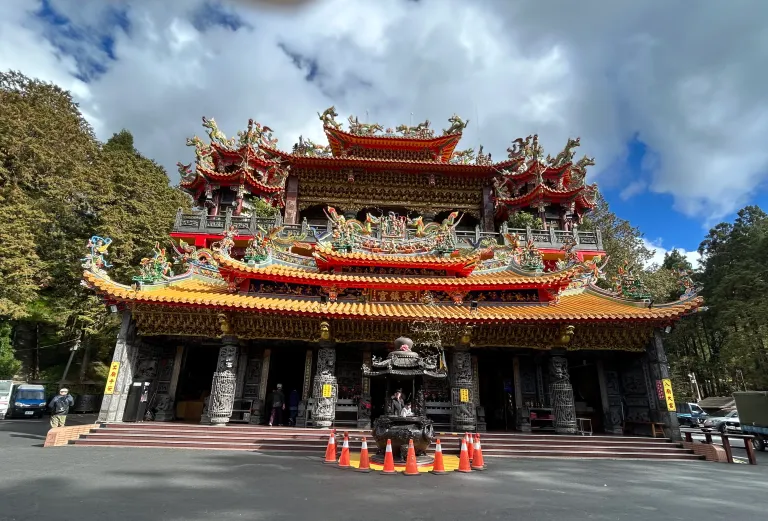
 Shouzhen Temple & the wooden Zhouzi Bridge – quiet, timeless, beautiful
Sun Moon Lake 

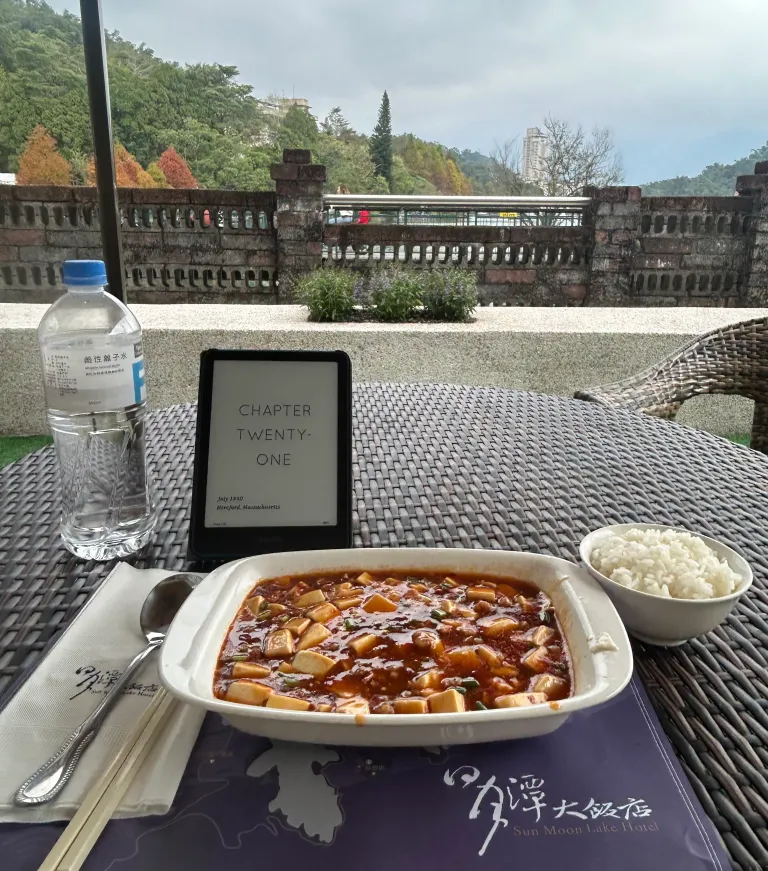
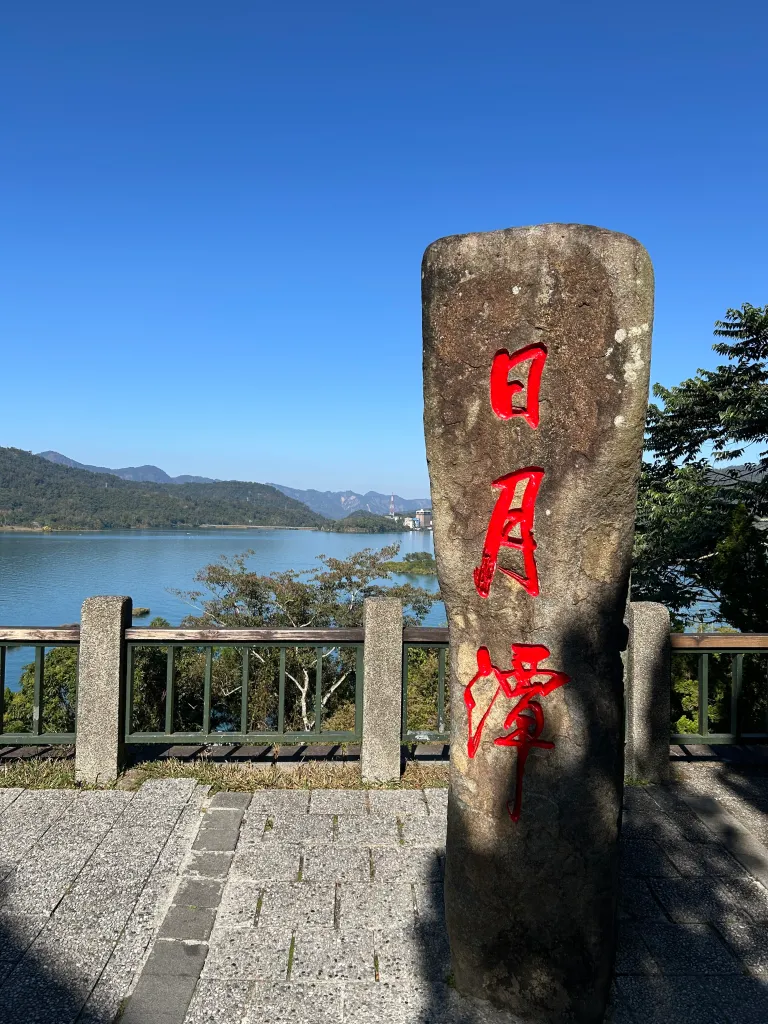
I saved my favorite part for the end. Sun Moon Lake turned out to be bigger and more beautiful than any photograph I had seen. The paths were longer than I had imagined, the lake quieter, and the small cluster of hotels on one side gave it an almost hidden, intimate feel. Surrounded by mountains, the lake is said to resemble the sun on one side and the moon on the other — that’s how it gets its name.
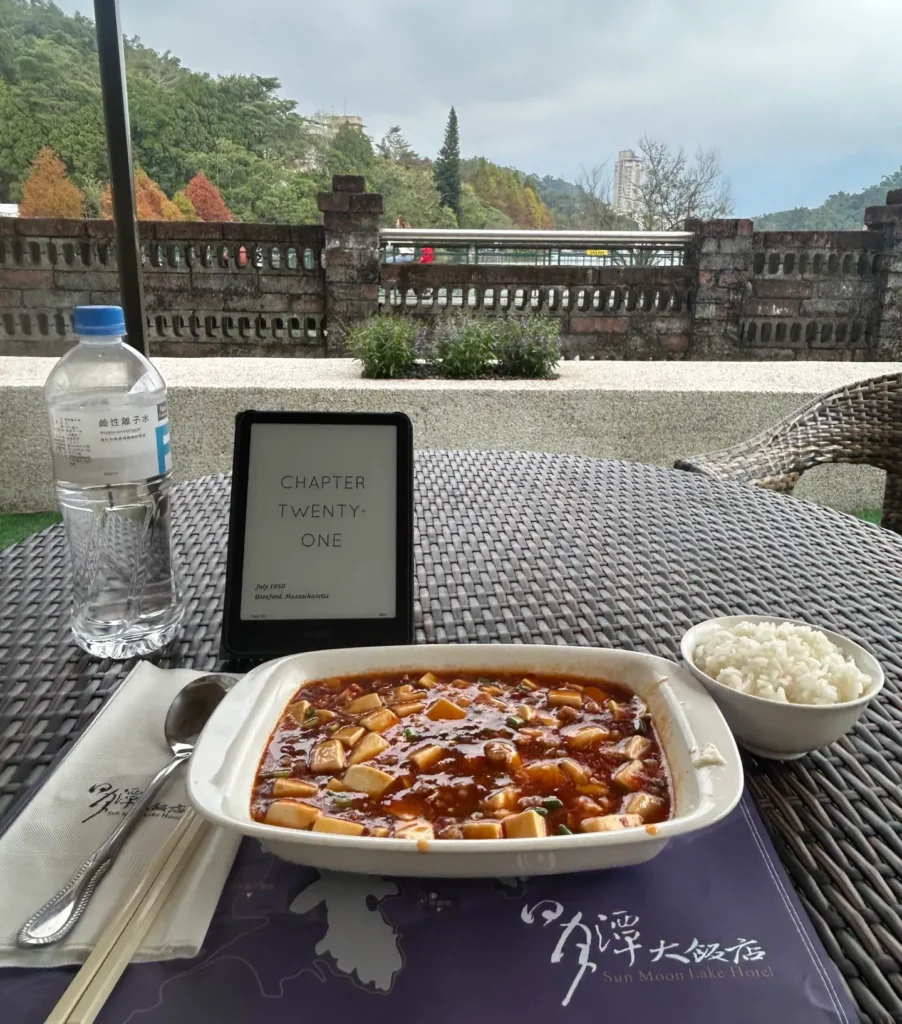
It took barely an hour to reach from Taichung THSR, and the journey itself was scenic. I stayed at a hotel right by the lake, separated only by the cycling track  . The trees around were brushed with autumn colors, and this was the place I had promised myself I would slow down, polish my newly acquired cycling skills, and simply unwind. I almost managed it.
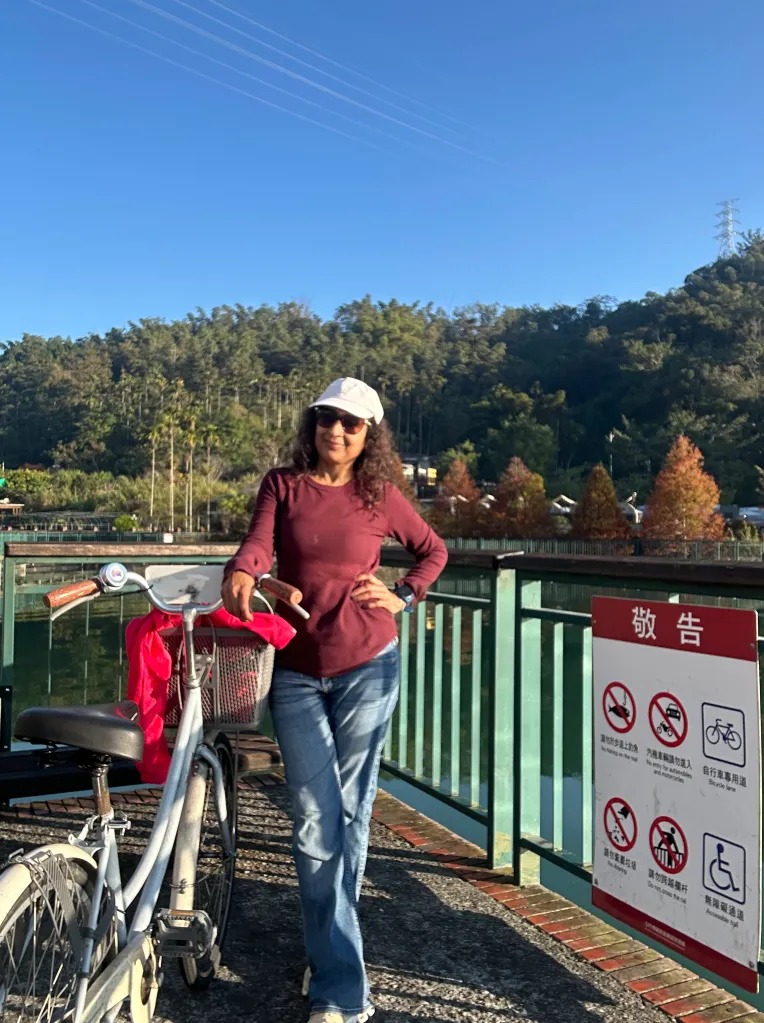
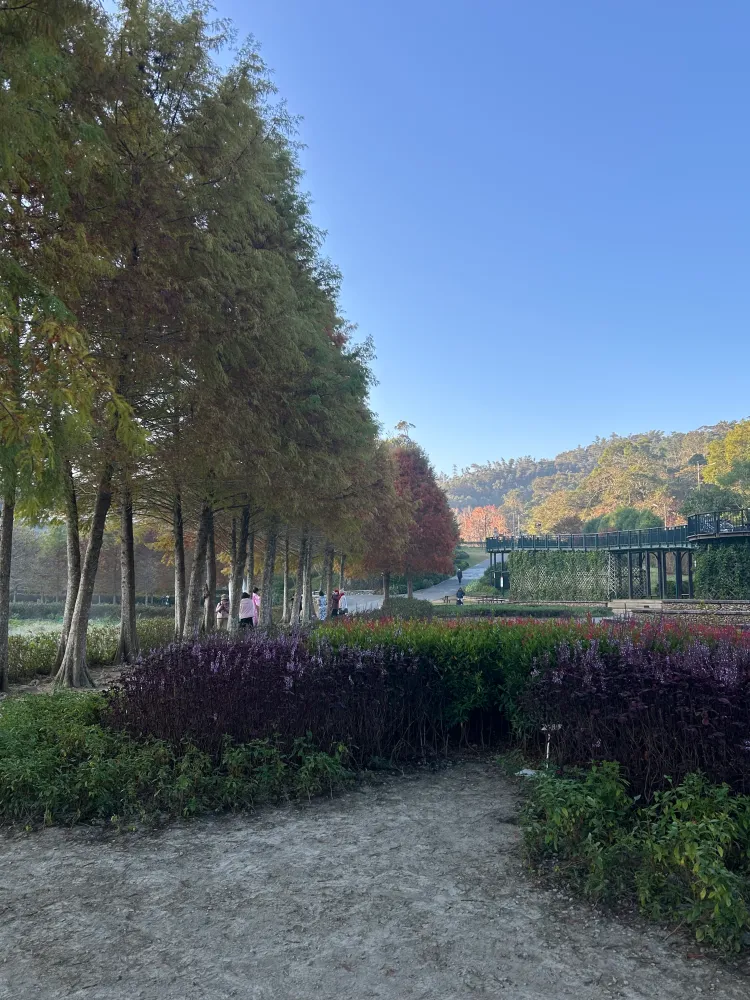
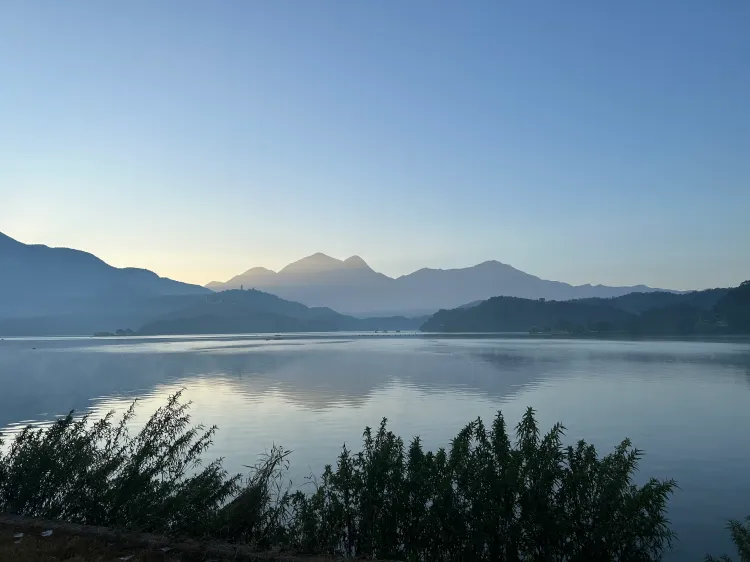
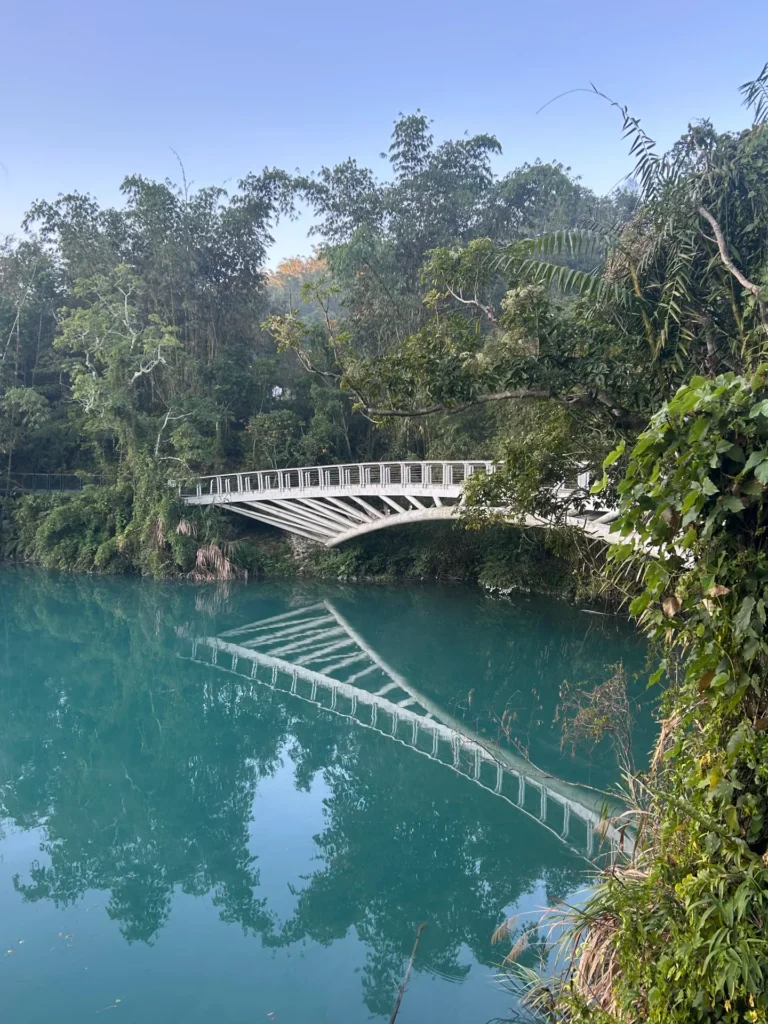
The cycling path along the lake is the natural first thing to do. It runs for about 5 km one way and then you turn back, not a full loop. Cyclists, runners, and walkers share the route 
 , A couple of cute bridges and clearings with benches to sit and admire the view completed the picture perfectly. It is all very gentle and unhurried.
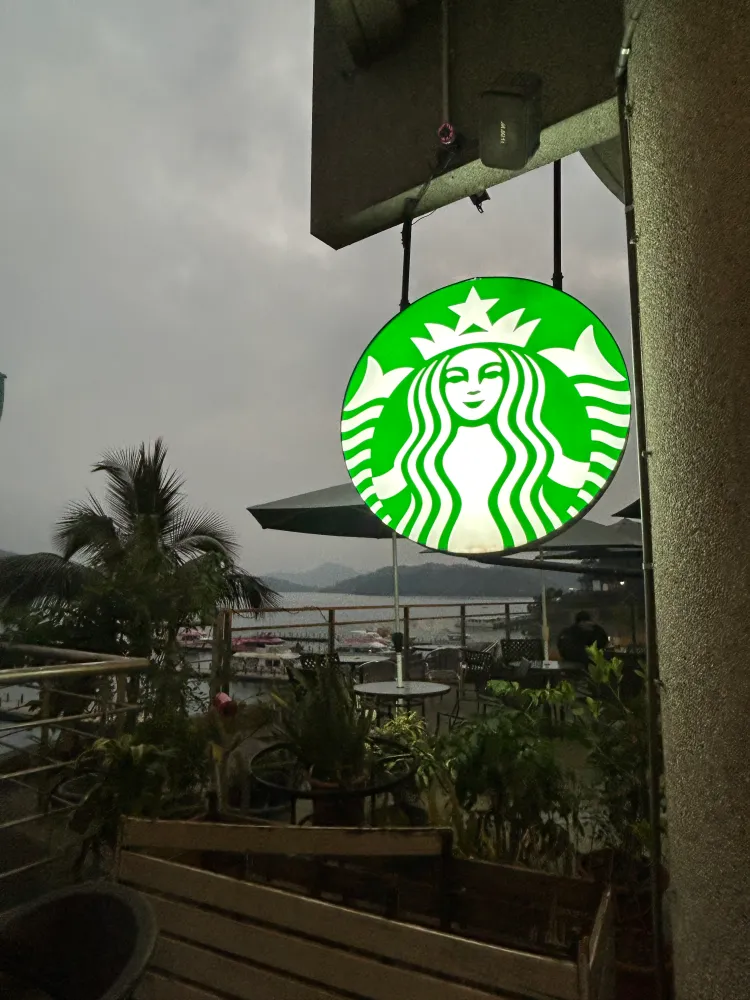
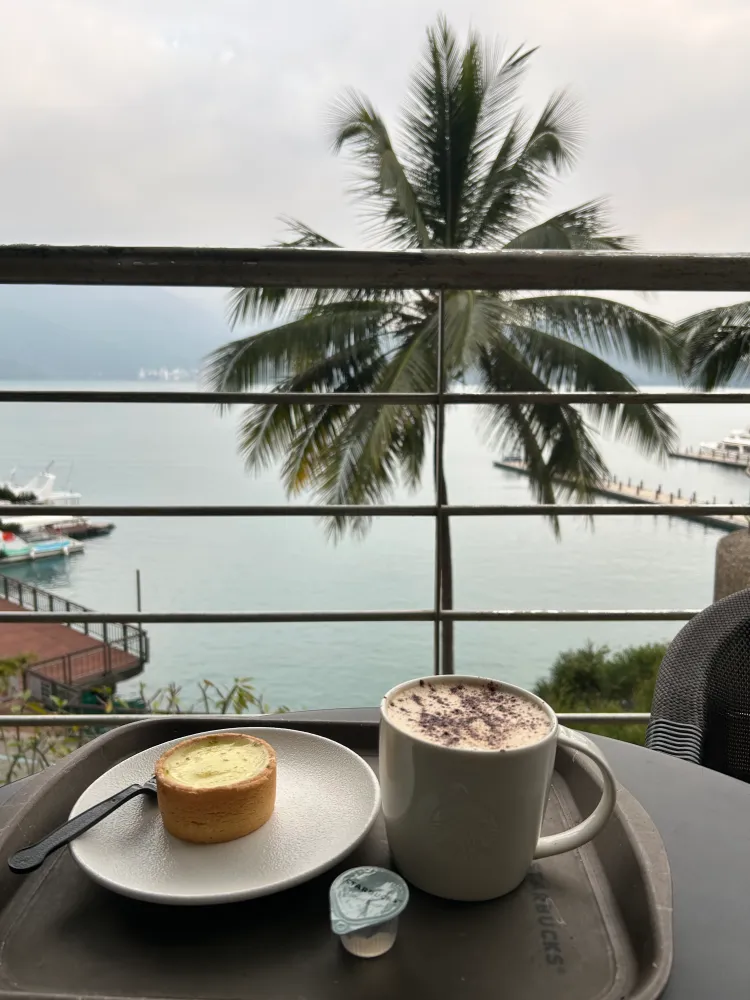
After that, one can head to what must be one of the most scenic Starbucks locations — right on the lake in the Shuishe area. Its outdoor terrace has uninterrupted lakefront views and was surprisingly not crowded at all. On a related note, Starbucks has a presence in almost every corner of Taiwan.
Lorem ipsum dolor sit amet, consectetur adipiscing elit. Ut elit tellus, luctus nec ullamcorper mattis, pulvinar dapibus leo.

To explore further and enjoy the areas around the lake from the water, the best option is a one-day boat pass for around NTD 300, valid for unlimited rides (cash only ). Starting around morning keeps the day relaxed and still leaves the evening free for the lakeside. Tickets are sold at the pier, or can be purchased in advance.
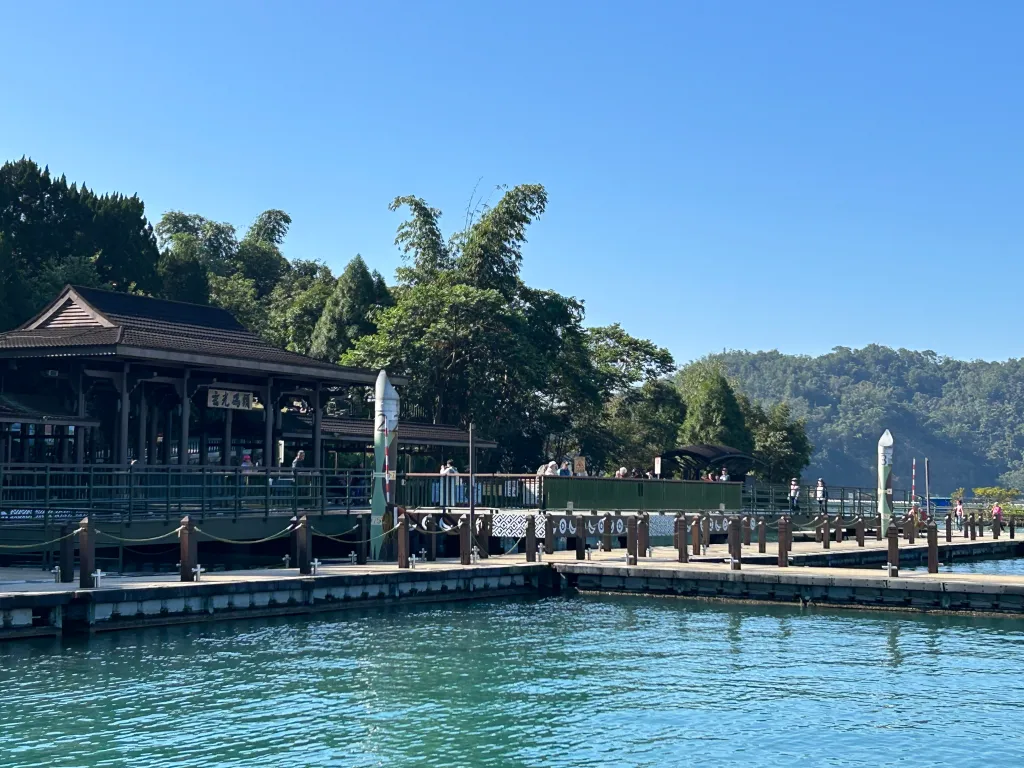
From Shuishe Pier, the first stop is Xuanguang Temple Pier. The temple dedicated to the monk Xuanzang is peaceful and scenic, a lovely place just to sit quietly for a while. From there, a short uphill walk leads to Cien Pagoda. For those who want to push a bit more, it is possible to climb the many steps inside the pagoda for wide lake views.
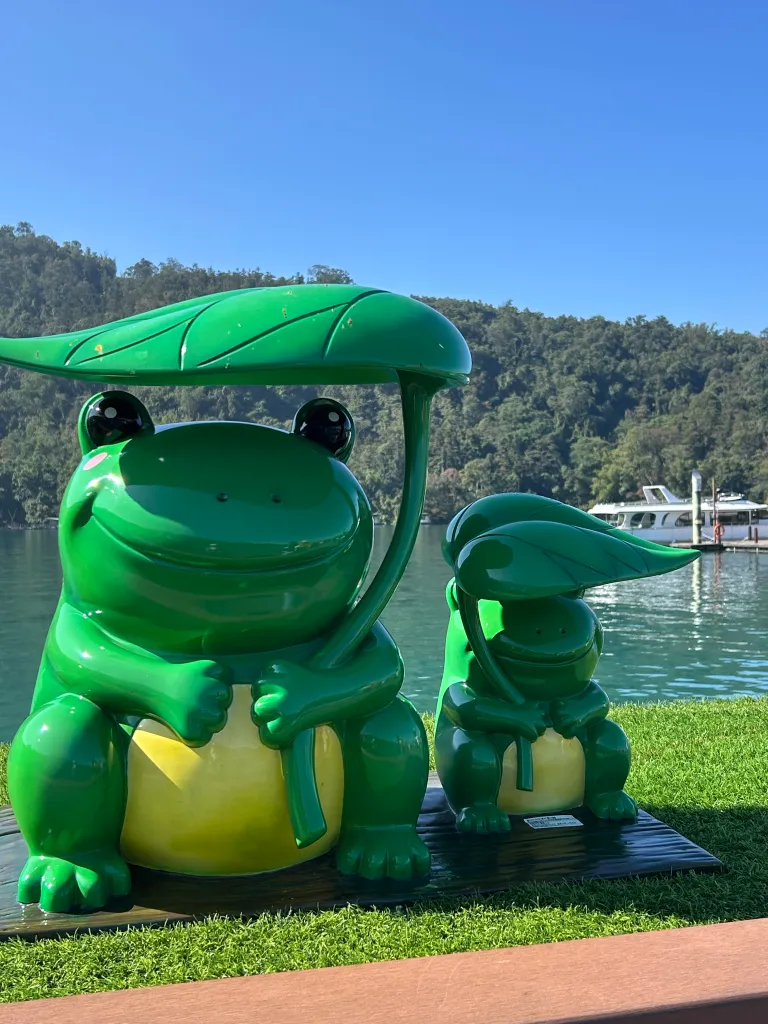
The next main stop is Ita Thao Pier, an aboriginal village area with food, shops and a lively atmosphere  . This is also where the cable car to the Formosan Aboriginal Cultural Village departs. The cable car ride itself takes about 10 minutes and offers great views, with a glass-bottom option available for a slightly higher price. The Aboriginal complex includes themed zones, rides and large European-style gardens. I couldn’t do this because the tickets were cash only, and with limited NTD left I chose to hold on to it, instead I sat in the square and listened to live music, which felt just right. From Ita Thao, one can take the ferry back to Shuishe Pier, making it a relaxed and unhurried morning

One place I did omit was Wenwu Temple — try to fit that in if possible. What I did do, and would highly recommend, is maximizing time in this beautiful town. Wake up for the sunrise, be outdoors, slow down, and simply soak in the calm.
Sun Moon Lake is one of those places that lingers long after you leave