My perception of Japan has always been of a country full of skyscrapers, less space, expensive, where language would be a barrier to communicate and travel. Last few years I saw so many people travelling to Japan, being a travel consultant the more I researched the more it started intriguing me. Not only places but seasons, every part of Japan has a season when it shines.
Cherry blossom is the most hyped time to visit but I would differ, autumn has the country’s flora & fauna dressed in the warm hues of red and orange, gold and brown competing for attention, it’s beautiful.
Space is scarce but communication is no problem, with google translate people understand what is asked and go out of their way to help. They will walk all the way to your platform, probably missing their own train in the process. Gentle smiles and constant bowing to show respect is their way of making all visitors welcome.
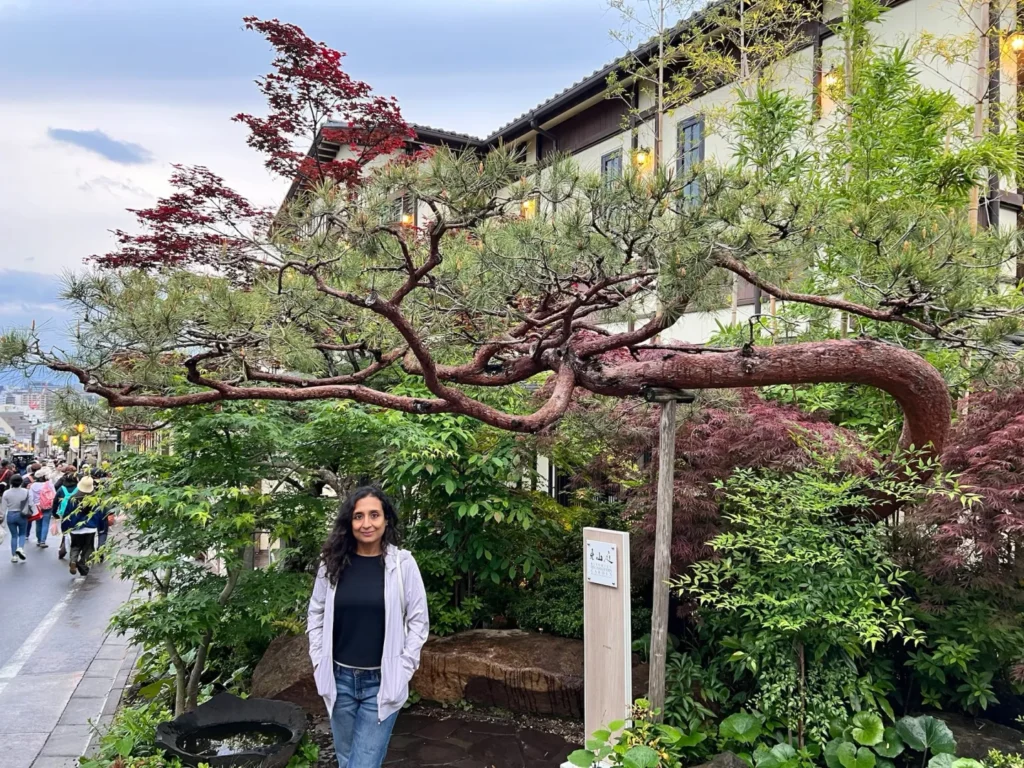
In school as part of extra classes I had taken up flower arrangement, my teacher was Japanese. Looking at the pretty gardens and even curbside arrangements perfectly done was reminded of her. A country which is a stickler for perfection, not only the environment but also the food served has to be perfectly arranged and plated so well it almost breaks your heart to eat it.
My feelings before and after the trip remains same, from FOMO ( fear of missing out ) to FOMO ( fear of missed out ) With so much to do it will take a lot of trips to erase that feeling. 10 days of hectic rushing around and so much still remained to be ticked off.
Packing tip : Very rarely would you find short dresses been worn, Japanese dress conservatively. Most places shoes have to be taken off, carry nice looking socks.
A country which has always been ahead of the times still has some places where the operations are physical and not digital. Most inconveniently the Japan rail pass and seat reservations. The JR pass can be bought by visitors to Japan, a tourist visa is mandatory, it’s super useful and covers most trains including the bullet trains. Has to be bought before travel in one’s home country and comes as a voucher. On arrival at airport the voucher is exchanged for the actual pass after the tourist visa is authenticated.
It’s advised to book seats despite having a pass. Though there are compartments which allow unreserved pass holders if the train is going full it may mean missing a train if no seats are available. Best is to do all research before travel and have all the trains with dates and times handy to be booked. Exchange pass and book all seats at the same counter before leaving the airport. This time investment will make the rest of the trip worry free. On arrival at Narita airport look for the JR East travel service, they do it. Their office hours are from 8:30 AM to 6:30 PM, beyond these hours on the same floor there is a ticket office which also does it. There are some kiosks also which book seats but the process is tedious, passport numbers etc have to be fed every time.
Many trains do not have luggage storing facility, some have limited luggage space which has to be pre bought. Best to travel with limited luggage, airports as well as hotels have luggage courier facility, for a fee the bags can be sent to the destination and travel can be hands free. I did not use this thought the booking process will take time, also did not want the anxiety of waiting for bags at destination.
Most public transportation frowns upon people talking on their phones and eating. There are signages everywhere discouraging the same. There are almost no dustbins in Japan, everyone carries their trash back home to dispose, better to have a bag handy for the same. it’s ok to slurp but not ok to sneeze , in fact slurping while having tea is encouraged.
Paying in Japan : Many places accept only cash, it’s considered rude to give money in hand, all places including taxis have a tray where money is to be placed. Most shops offer tax refund to visitors on the bill itself, passport has to to carried for them to feed in the passport number. They do not do it on copies or if shown on phone. Airport does not have tax refund.
Shoppers paradise : Japanese are very proud of all they manufacture, rightly so as they have know to be perfect in all that they do. The clothes, simple but so soft to touch and made so well. Electronics the world admits they make the best, even small stationary items cute and functional.
Shopping in Tokyo :
Ginza : The world’s biggest Uniqulo is there in Ginza. On weekends the main street in Ginza turns into a pedestrian street. People are seen lounging in the middle of the road with their own chairs, all top brands are found here.
Akihabara : For all who love to browse and buy electronics. Here there are shops selling animated ( anime) clothes and toys as well. The local guide said that’s because all gizmo lovers love anime as well.
Shinjuku, Shibuya & Harajuku : Shinjuku is another area where high end sophisticated shopping is good, for fast fashion Shibuya has a lot of good shopping malls. The malls in Shibuya I felt mostly cater to teenagers. In between these 2 areas is Harajuku, the shopping lanes here are car free, a lot of shops here sell verified branded second hand clothes and accessories.
First Avenue Tokyo Station : Inside Tokyo Station there is an area Tokyo Character Street, which has shops filled with popular Japanese comic characters, it also has a lineup of sweets from Japan’s leading confectionery makers.
Outlet malls : Mitsui and Gotemba are the most known ones. I went to Gotemba, it’s has a direct bus from Shinjuku station. Takes around 2 hours one way. Unless shopping is a big priority on a short holiday this may be a waste of time. The bigger brands do have some good deals, the medium ones don’t have variety and neither do they have good discounts. However if someone wants to make it a day of fun, the layout as well as views of this mall is the best I have seen in any country. Vistas of Mt. Fuji on a clear day and shops having a layout which is almost like terraced paddy fields, I loved it.
Don Quijote : These shops are found in many places and sell almost everything under the sun from clothes to medicines to high end bags. Some of them are open 24X7. They offer tax free shopping ( provided you have passport handy ) and are super crowded even at midnight. Brands are kept so casually that the first instinct is that they are fake, however they are supposed to be original, maybe preloved. The prices are also just a bit lower than other stores, not throw away prices for sure. Alcohol here is well priced. Daiso is one more shop found many places. It’s the equivalent of a dollar shop. Good to browse for cute gifts to take back home. Muji also found many places is is so Japanese, lovely fabric and solid colors.
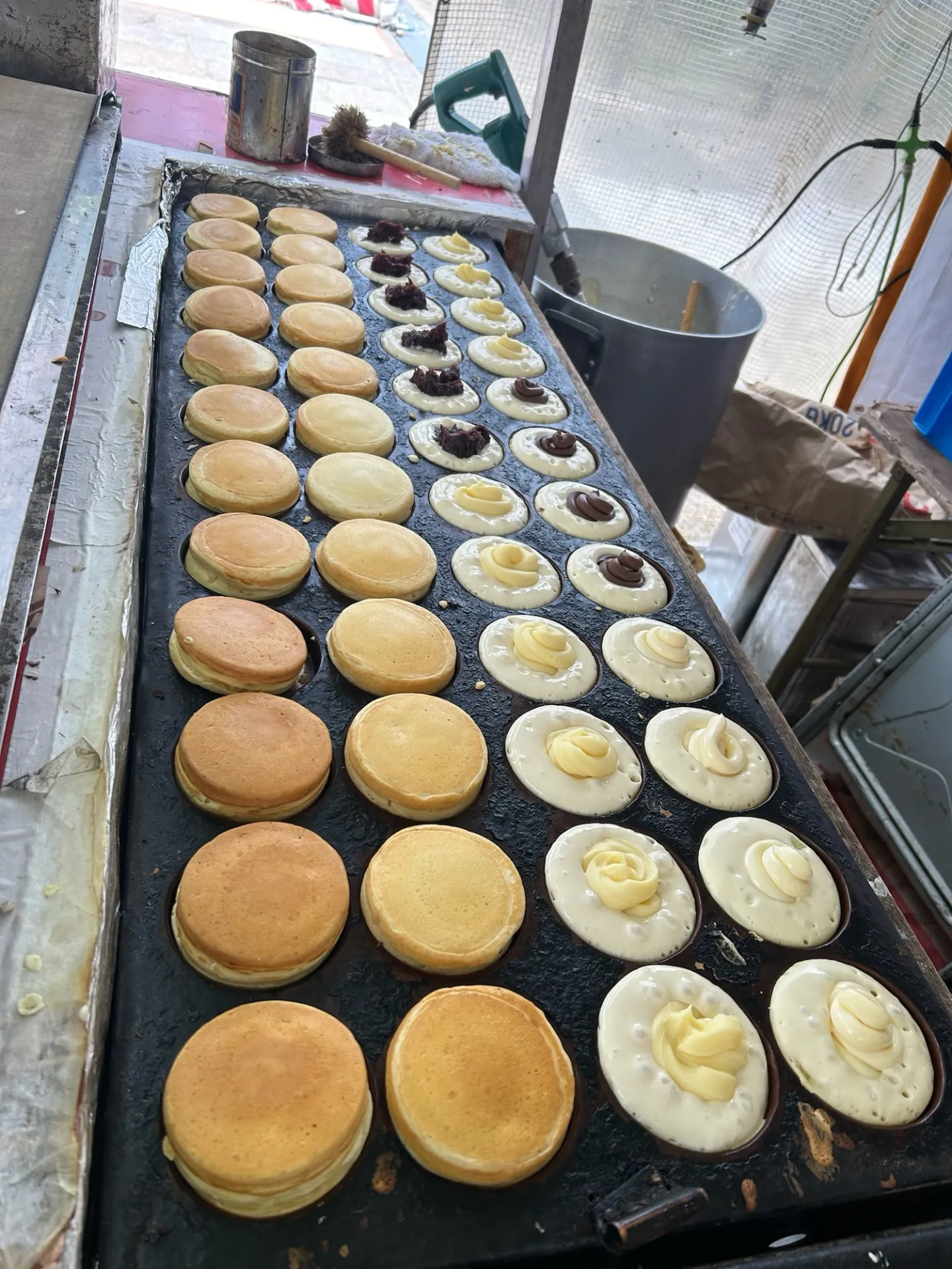
Food recommendation : Vegetarians please carry some food, it’s very tough to find vegetarian food specially in smaller cities like Kyoto, Tokyo is better. Carry some soya sauce as local ones have fish. Armed with soya can ask for boiled/ sautéed vegetables and add own seasoning. Happy cow ( the app ) was not that happy in this. country, was unable to help in most places. Some sightseeing places had street vendors selling potato and sweet potato fries made in vegetable oil. Okonomiyaki ( Japanese pancake ) is a local dish that can be made vegetarian if the same can be explained.
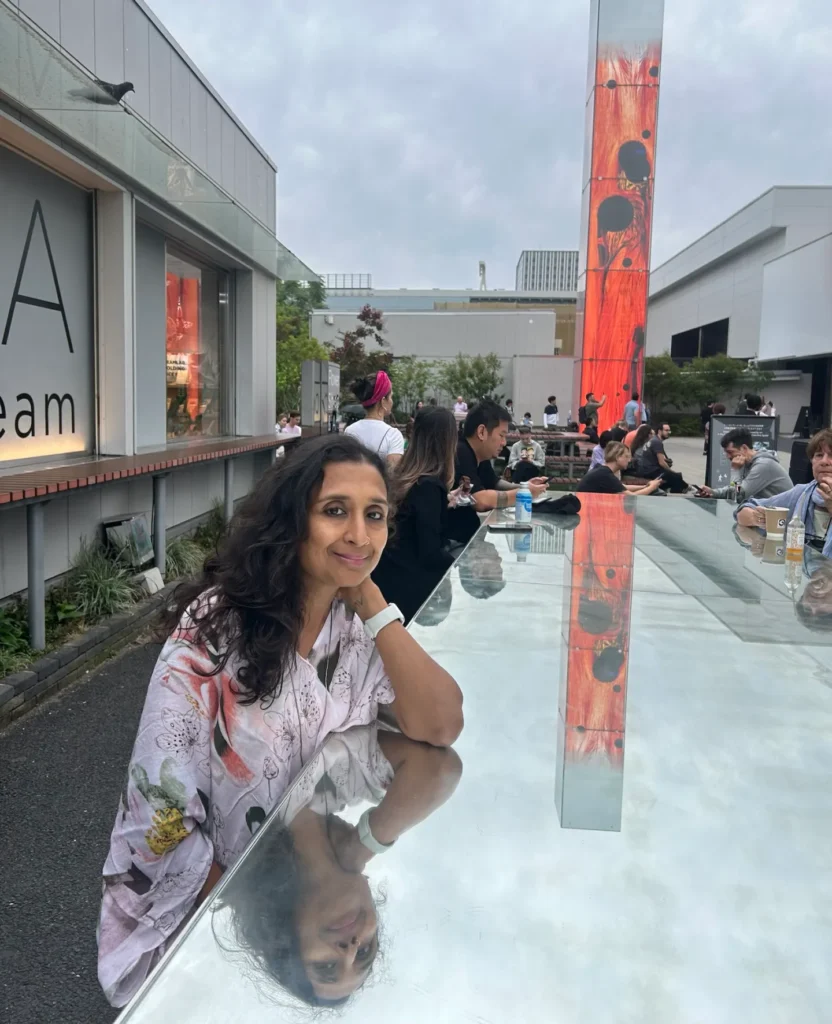
Vegan Ramen UZU Tokyo : Outside team labs at Tokyo not only was the ramen outstanding, the ambience was equally fabulous.
Izakaya Masaka Tokyo : In a mall in Shibuya, Japanese vegan dishes, rare to find and superb to eat.
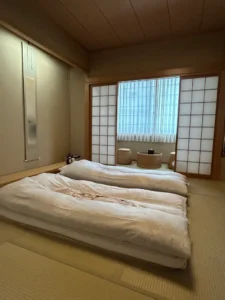
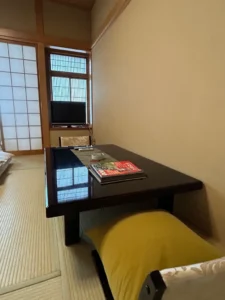
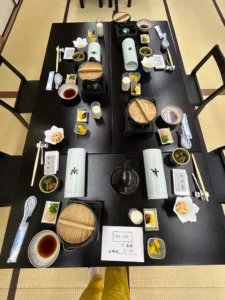
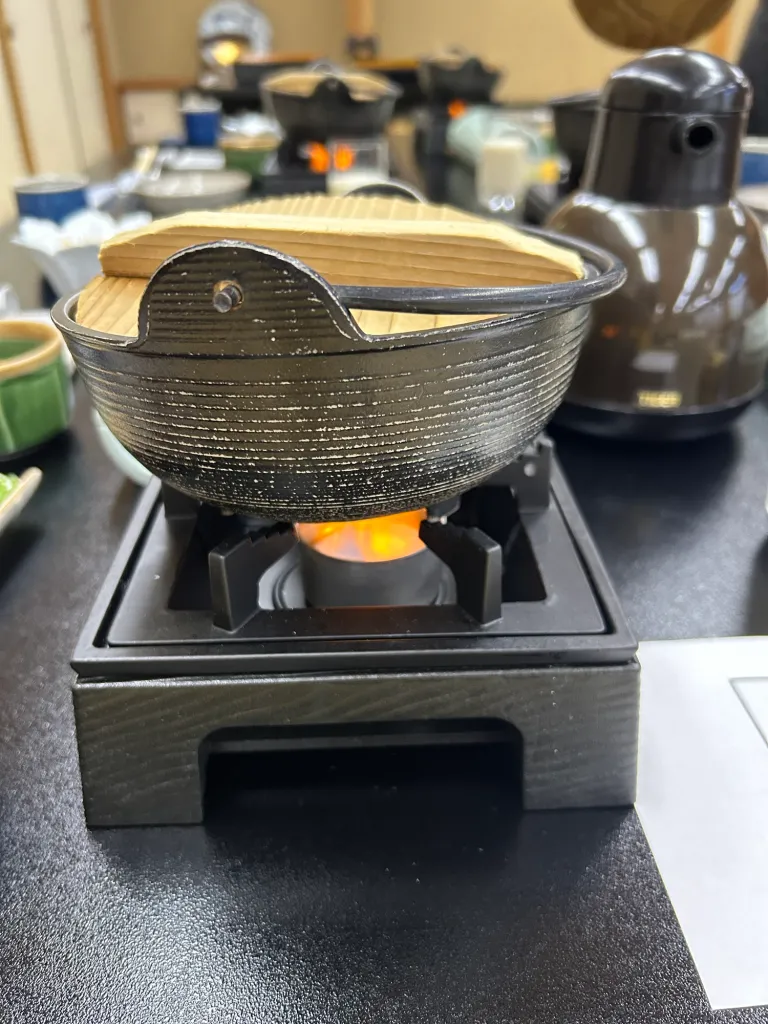
Stay recommendation : A must do is stay in a Ryokan. It’s a Japanese Inn. Has tatami-matted rooms, futons instead of beds. Low tables in rooms to sit cross legged and enjoy tea. Nemaki ( a Japanese robe ) is kept in the cupboards to wear around the Inn. Shoes are not allowed, there is a locker at the gate where shoes worn on the road are stored. To wear inside the Inn Uwabaki ( slippers ) are given. They have communal, gender separated baths in addition to en suite baths. Breakfast is not a buffet but beautifully laid out freshly made food. For vegetarians, its’s just a feast for the eyes and not the stomach.
Waiting for Ramen
Futons
Low seated tables
Lovely to see, nothing to eat
Hot individual pots of food.
There probably would be loads of must do activities in Japan but the 2 on top of the list would be bathing at an Onsen and attending a tea ceremony.
Onsen : Mention of Onsens in Japan is as early as 8th century. It’s said regular bathing in an Onsen can help in weight loss, skin rejuvenation as well as treat physical pain and aches, cure many diseases, Originally Onsens were found in nature, flowing streams with hot bubbling water from volcanoes rich in minerals .
With commercialization most of them now have facilities around it, showers, recreation areas, massages, meals etc. However to qualify as an Onsen the water must have required level of minerals and minimum temperature has to be 25 degrees Celsius. . Royokans are made around it offering stay facilities as well for people who want to stay long periods for treatment or rejuvination. Some very commercial Onsens offer baths in red wine and chocolate as well as mineral rich water. Some hotels and bathhouses have mineral water supplied to them from the original sources.
Most authentic Onsens in Japan do not permit anyone inside with a tattoo. The reason being that tattoos were associated with people of organized crime groups and since its communal bathing others would get intimidated seeing inked people. Now even some of the older Onsens do permit people with tattoos, some provide covering tapes to hide the tattoo. It took me a lot of research to find an authentic one in the mountains which would permit tattoos. Highly recommend Tenzan Onsen, it’s in the Hakone area surrounded by forests, they have sauna, massages, lounging areas, a lovely restaurant.
Earlier Onsens were not gender separated but now they are. Authentic Onsens do not permit even bathing suits to be worn. Japanese are comfortable to roam around as nature intended. Saw a family of 3 generations enjoying their day together at the Onsen.
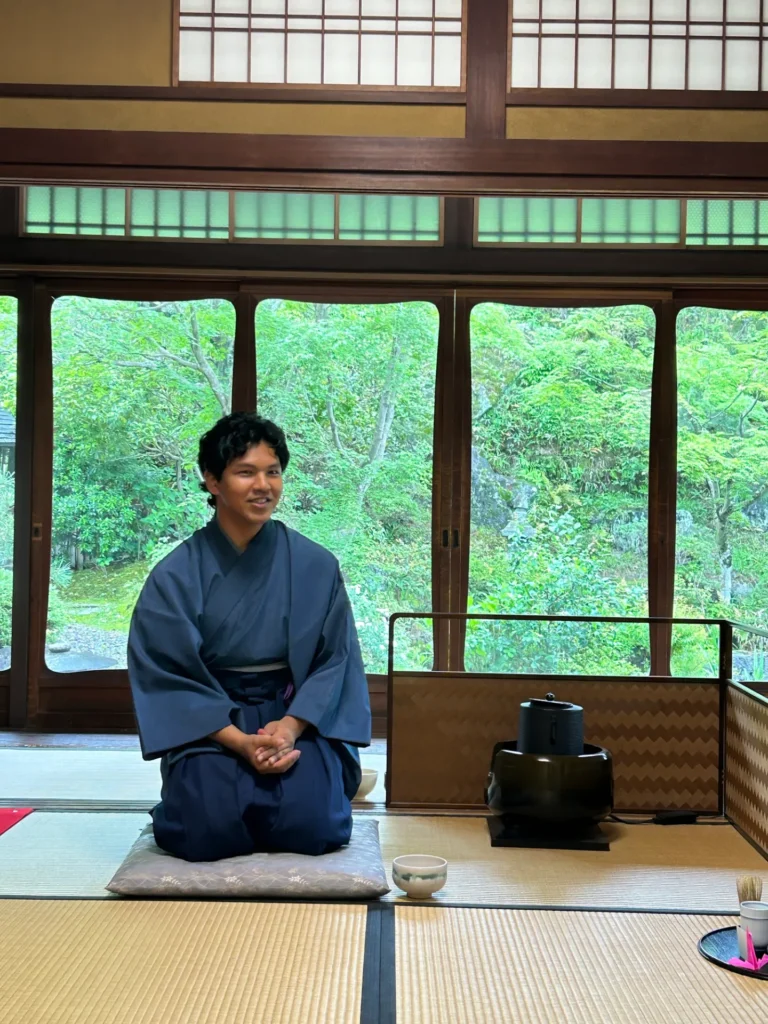
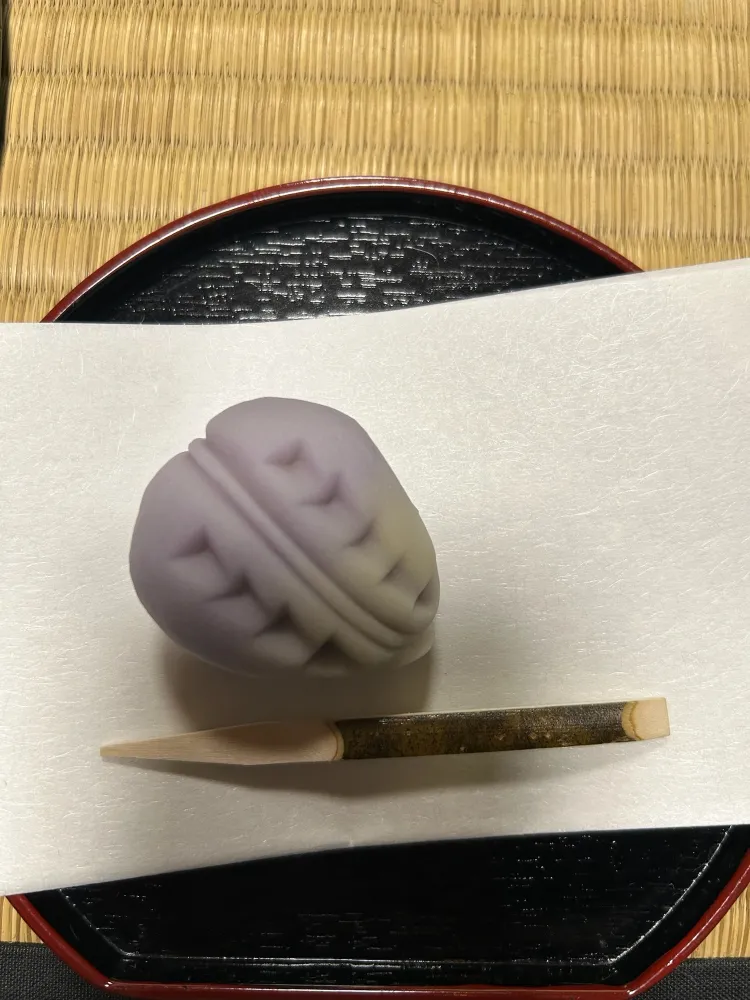
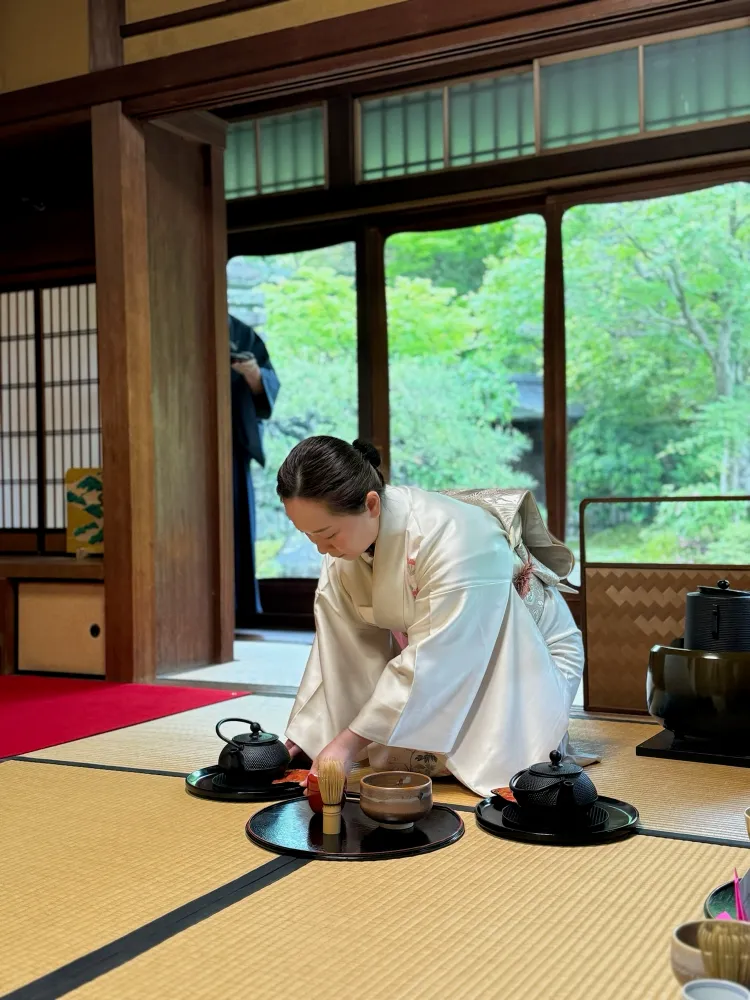
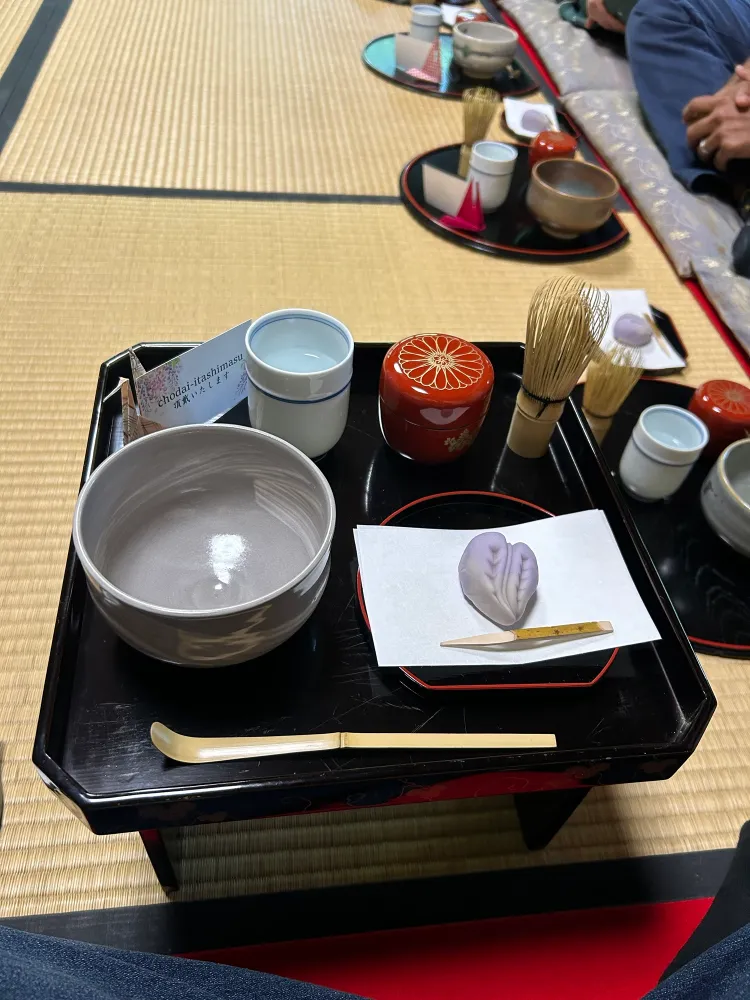
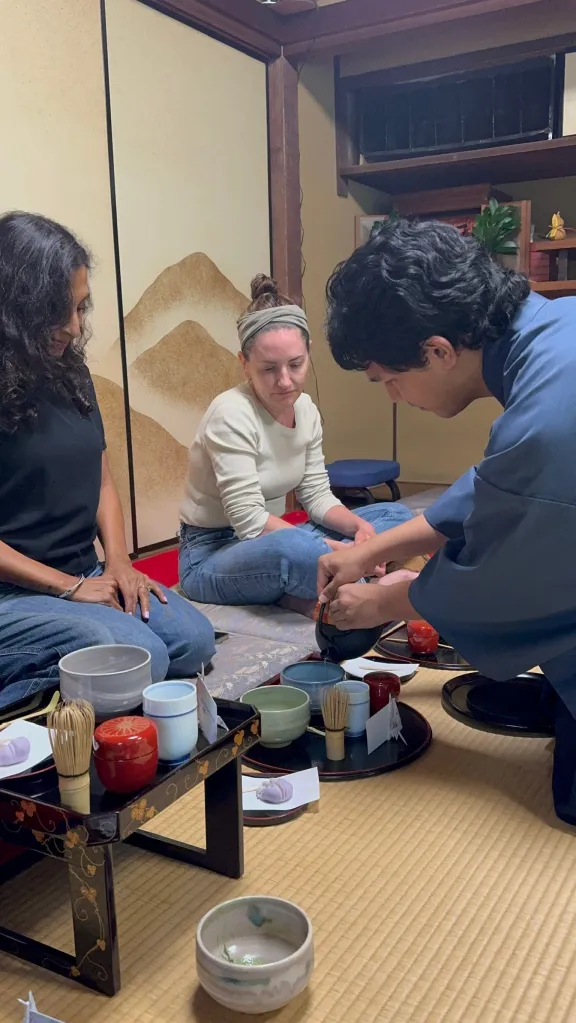
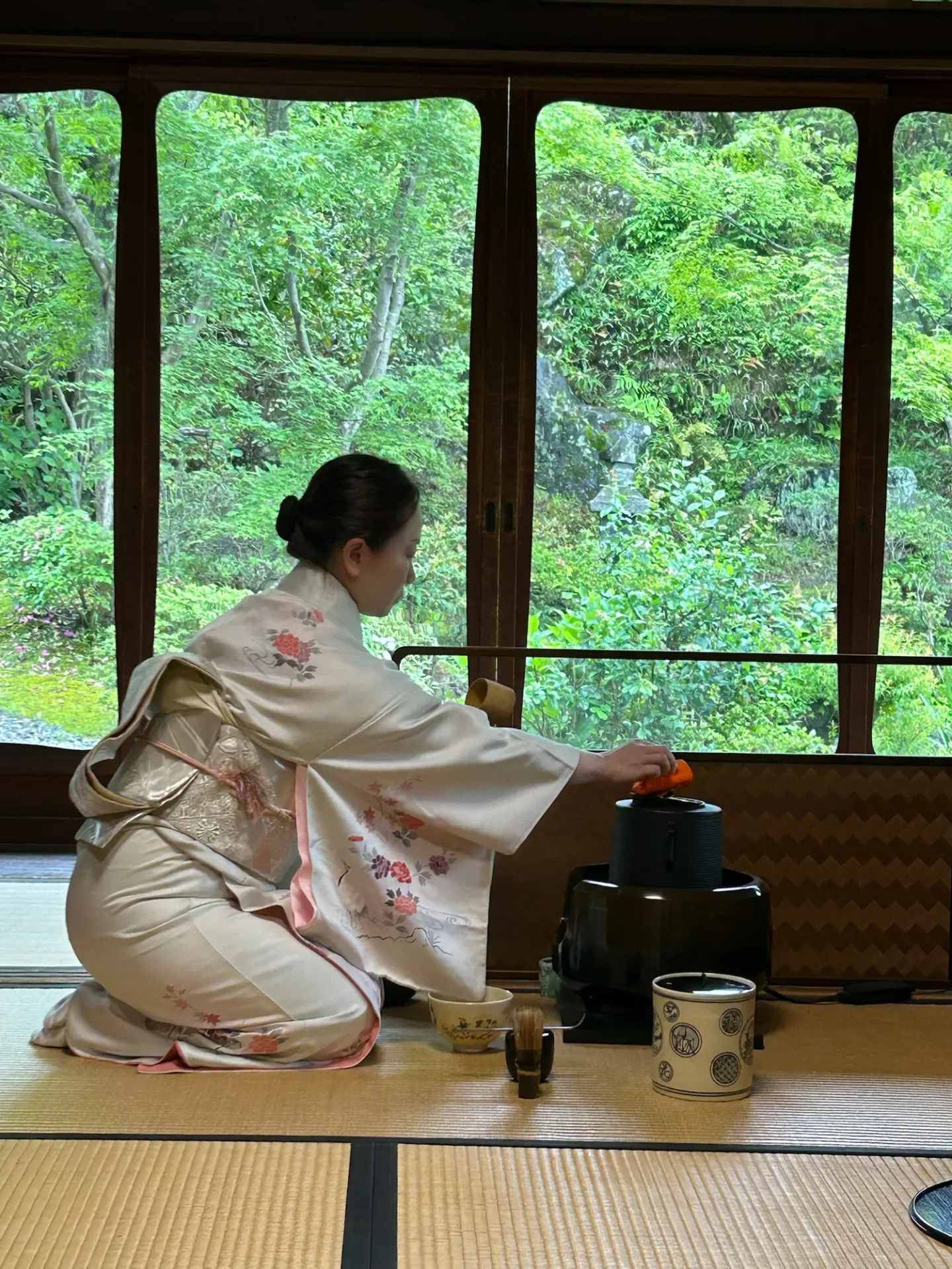
Tea ceremony : The best place to experience this would be Kyoto. This is a very formal affair. Shoes have to be opened outside where the ceremony is performed. The host wears a traditional kimono & explains the process and the importance of the ceremony. Guests sit on tatami mats with legs folded at knees. Low chairs are offered to those who cannot kneel & sit. A sweet is served along with matcha tea. Matcha tea is supposed to have cancer fighting antioxidants. A whisk is given and guests are taught how to make their own matcha tea. Some places a kimono is offered to the guests to wear as well. The whole experience evokes a feeling of zen. Talking while the ceremony is going on is frowned upon. The ceremony takes around 45 minutes. After it’s over the host is happy to answer any questions and take pictures.
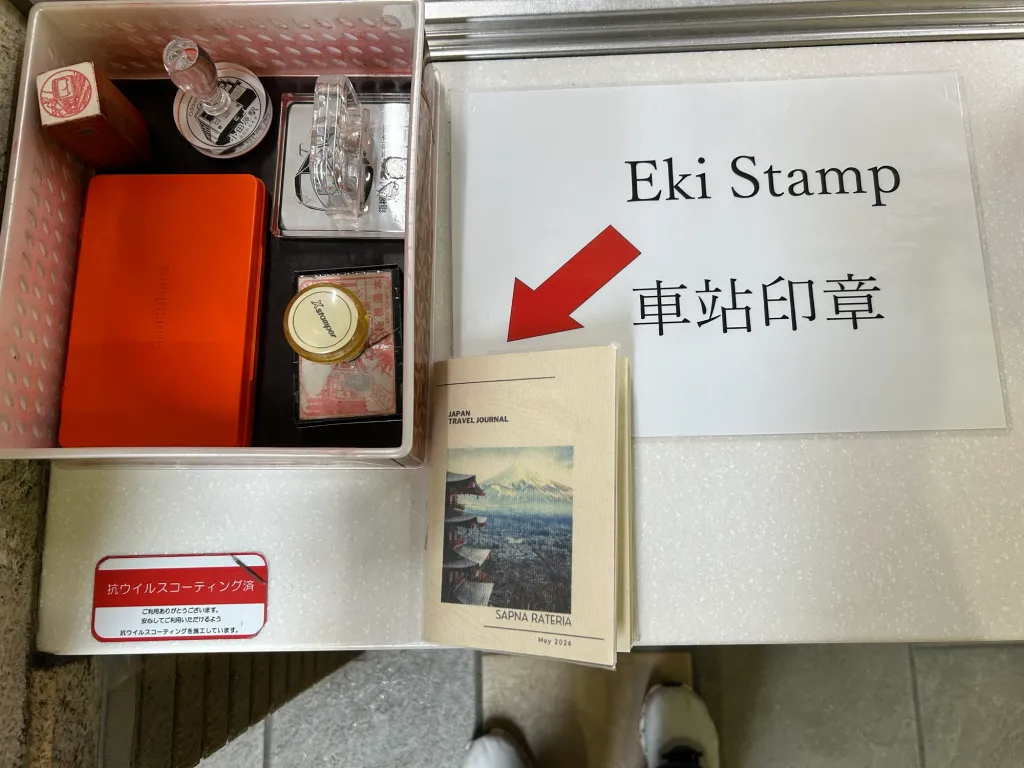
The most fun thing I did was to get an EKI stamp book made for myself, its a small book size of a passport, typically having 50 pages. I was not sure I would get it at the airport, did some research and got it custom made with my name. At airports, stations and most of the sightseeing places look for EKI stamps, a fun way to document the journey. Temples and shrines have Goshins which can be stamped, at some shrines they paint it in your book for a small fee. It’s also a way of giving employment to the priests. Some priests may refuse to paint in your book if they feel it’s not a Goshuin book. I could not find this book at the airport. At shrines they were selling it. Was fun to reach a station and the first thing to look for stamps even before trying to locate the correct platform. A treasure hunt across the country.
Kyoto : 2 hours by bullet train from Tokyo is the earlier capital to Japan. The name itself also means capital. This is one of the best places to experience a Ryokan stay. The one thing I missed doing here is have cute looking ice cream. I saw so many places on Insta with pretty ice creams in Kyoto but failed to locate any.
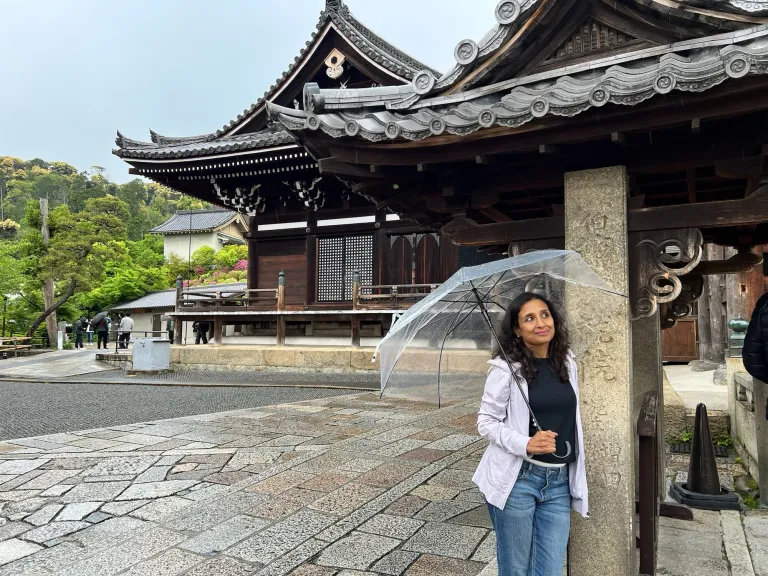
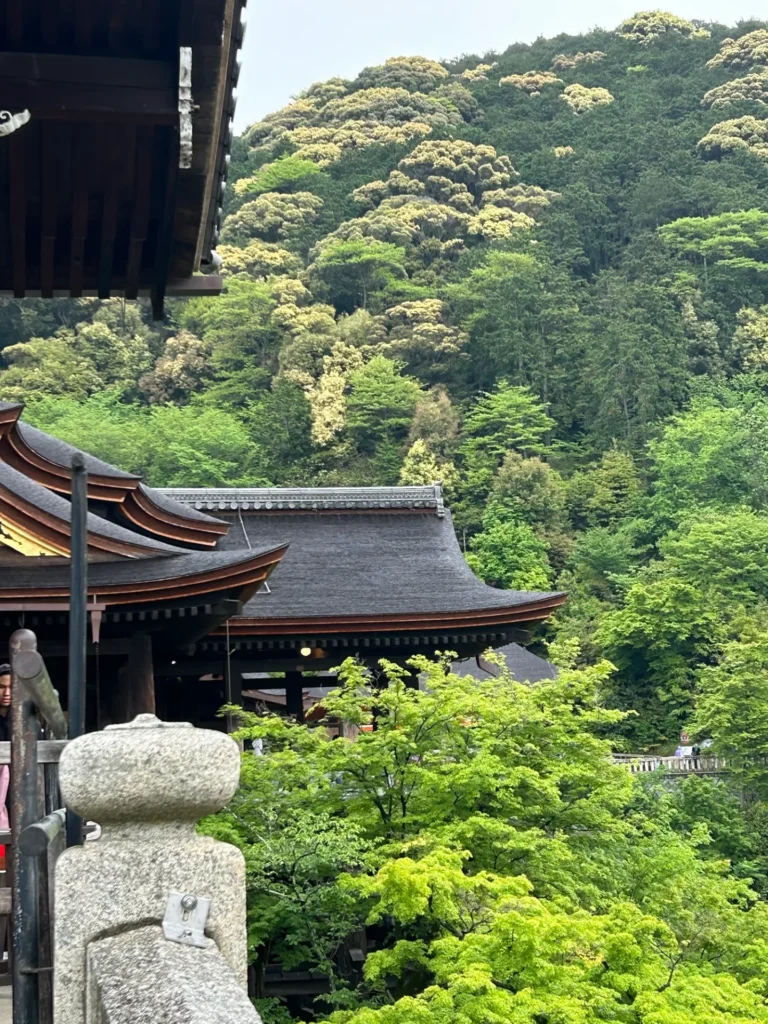
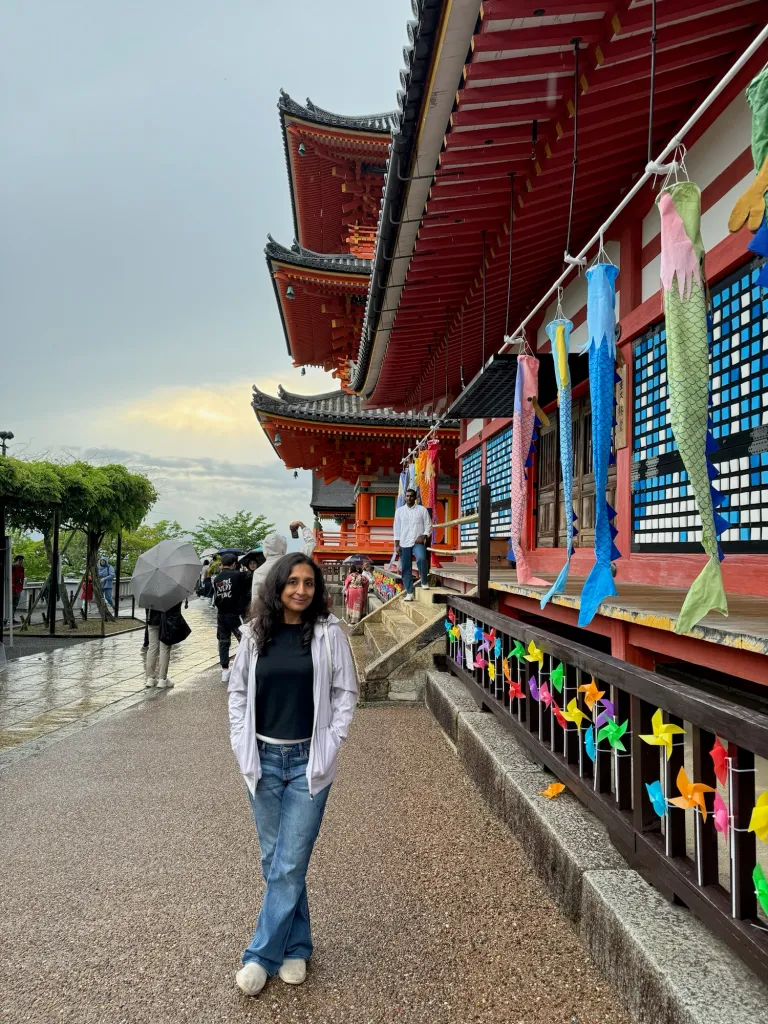
There are so many of Buddhist temples and Shinto shrines in Kyoto and obviously not possible to visit all. Recommend visiting Kiyomizu Dera, located on a hill and very much in the city center of Kyoto. It’s a world heritage UNESCO site, some parts of it it can be explored without paying an entry fee. Cause I had limited time explored a fraction of what this site had to offer, keep aside a couple of hours and visit this at leisure, it offers spectacular views of the city as well as the valley. It’s famous for the viewing platform, water from the Otowa waterfall which is said to fulfill wishes, 3 storied vermillion pagoda. There are many shops on both sides of the lane on the hill leading up here. These shops mostly start shutting after the temple hours are over which is 6PM
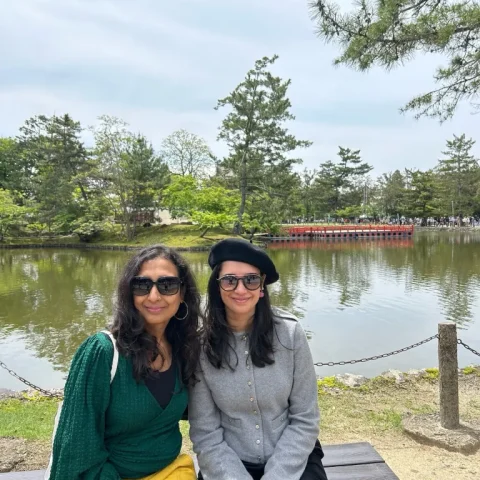
An hour away by road or train from Kyoto is Nara deer park, the entry is free, biscuits can be purchase to feed the deer roaming around freely. Any food in the backpack ? They can smell it and will keep following, its fun to feed them, they are quite docile and friendly, hold up your hand and say all done, they will move away. The guide was saying some of them also bow like Japanese do. I think with the advent of so many visitors they have become multi lingual. 1240 acres of land for them to call their own, that also in a country like Japan where land is expensive. I think they are quite privileged.
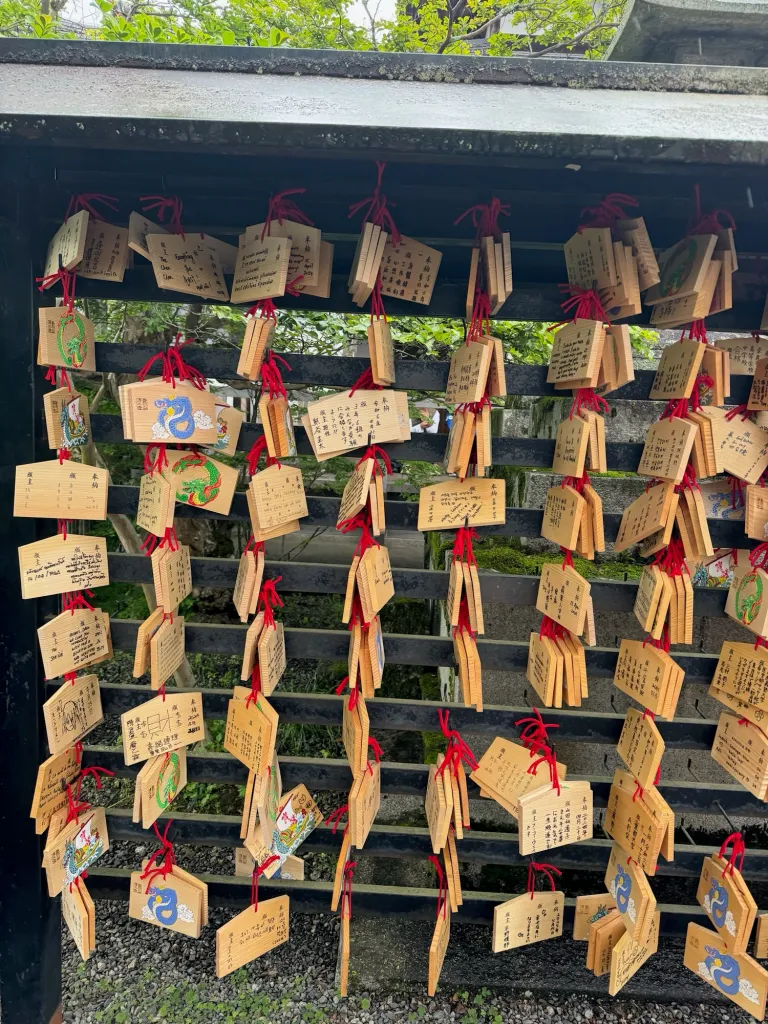
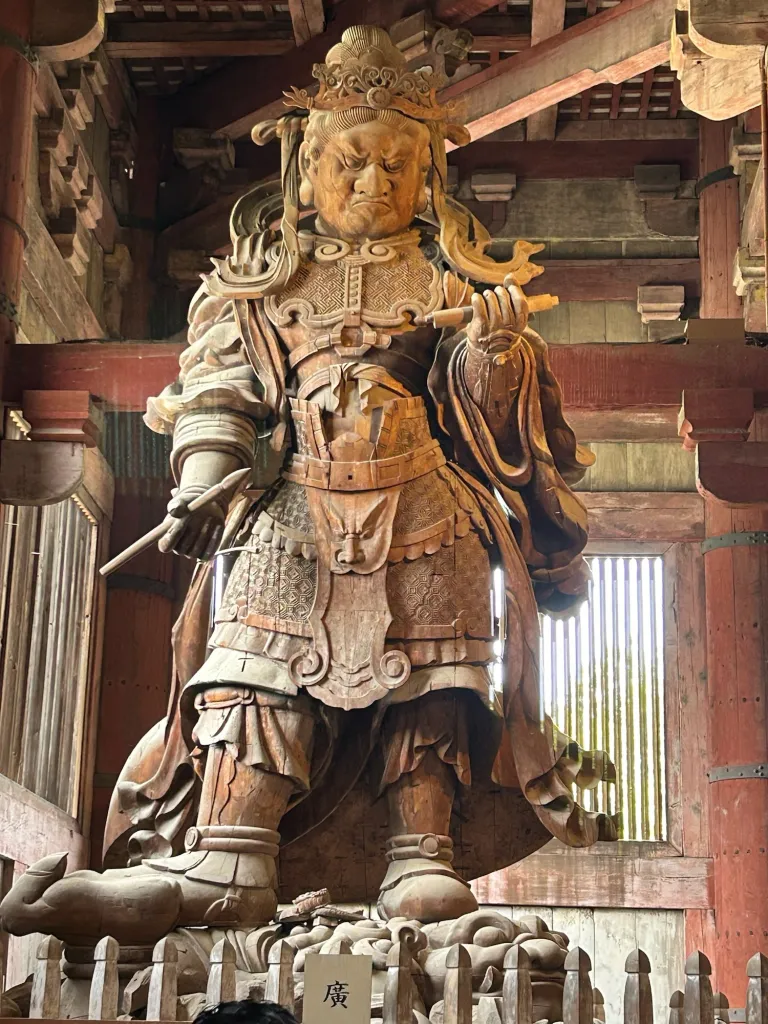
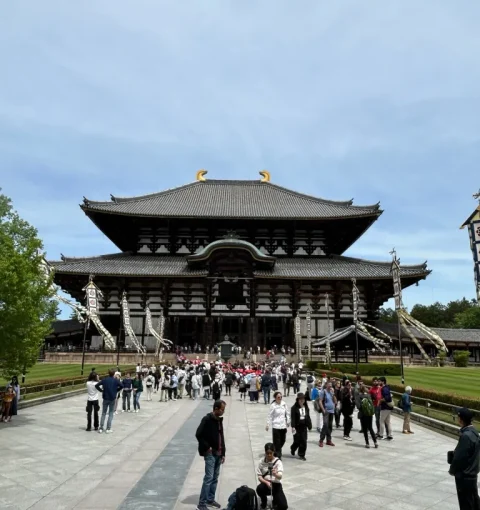
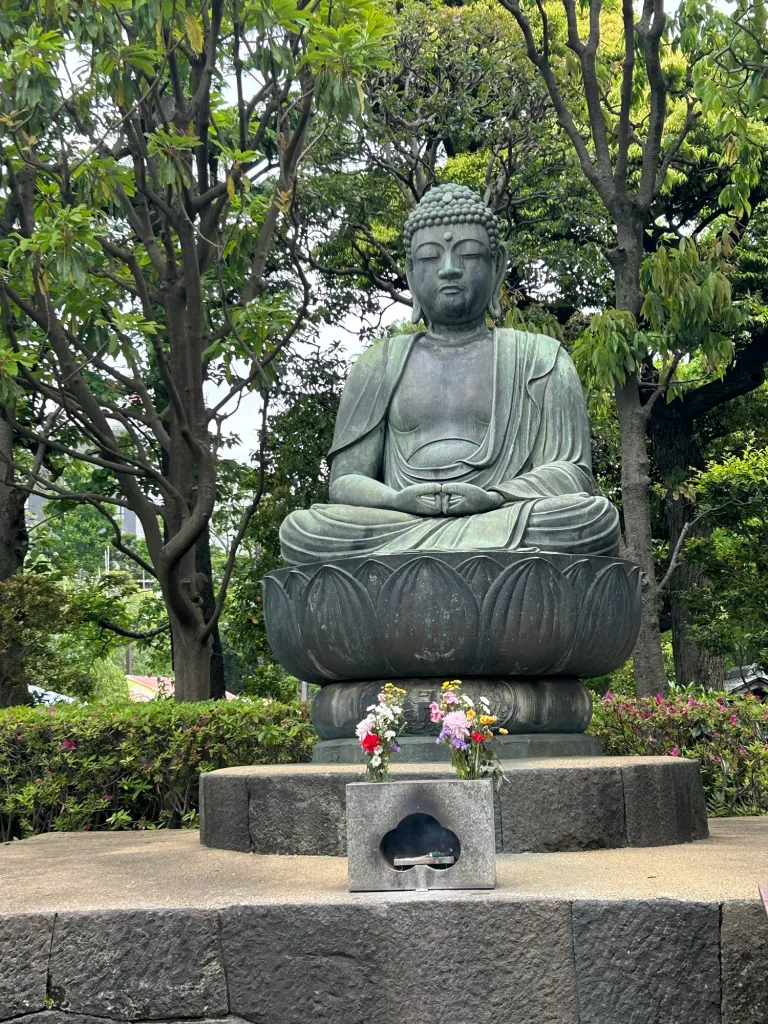
A short walk away is Todai-ji Daibutsuden (Great Buddha Hall) I got my first hand painted Goshuin here, fascinating to see them paint carefully and precisely on the books which then become treasure troves forever. Interesting to observe Japanese are quite superstitious. Paper fortunes ( o-mikuji ) are sold at most Japanese temples and shrines. About half of the o-mikuji predict bad fortune. It is customary to leave the bad fortune behind by tying it at a designated spot at the temple or shrine. If you receive a good luck paper fortune, you are to keep it. Costs about 100 to 200 yen and is available in several languages. To receive o-mikuji, a cylindrical or square pillar box plus long thin sticks (Mikuji-bo) is used to shake and draw the paper fortunes. Vending machines that dispense o-mikuji are becoming popular now. It’s a fun thing to do, not to dwell on it too much.
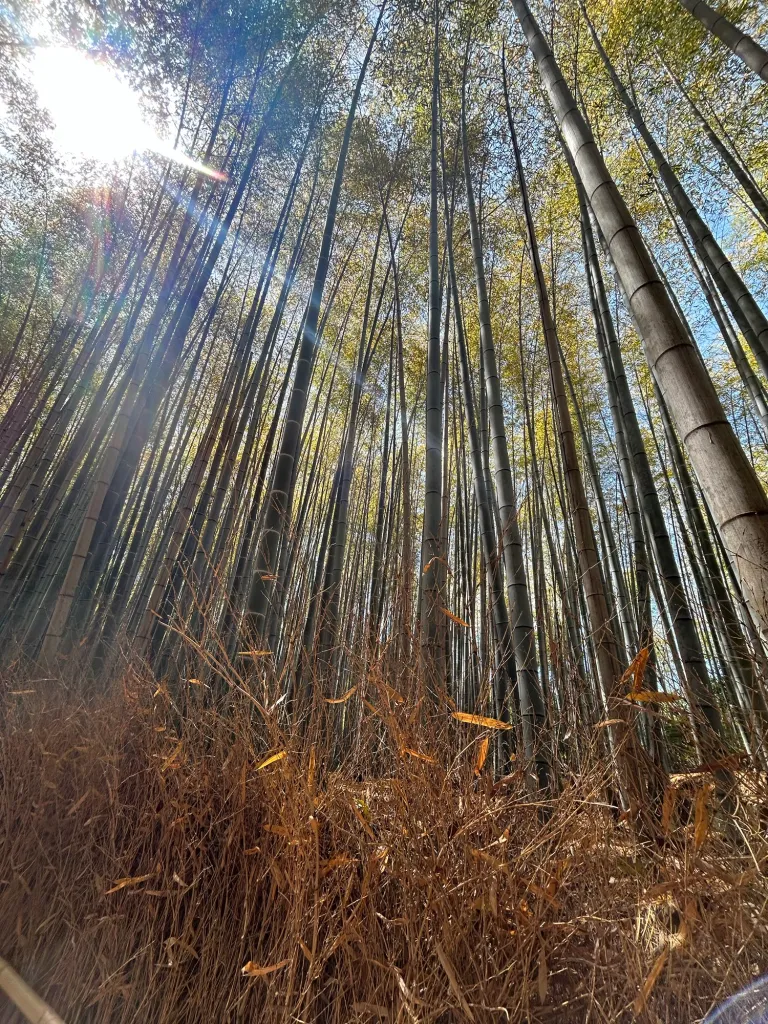
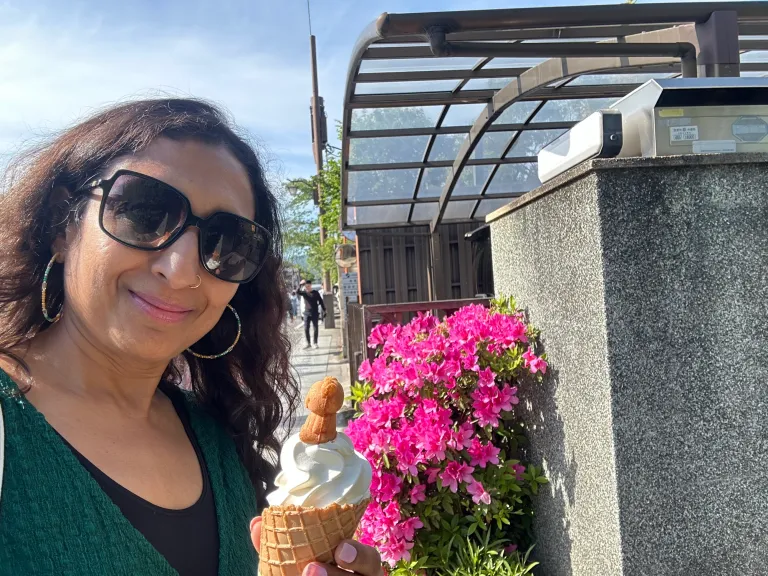
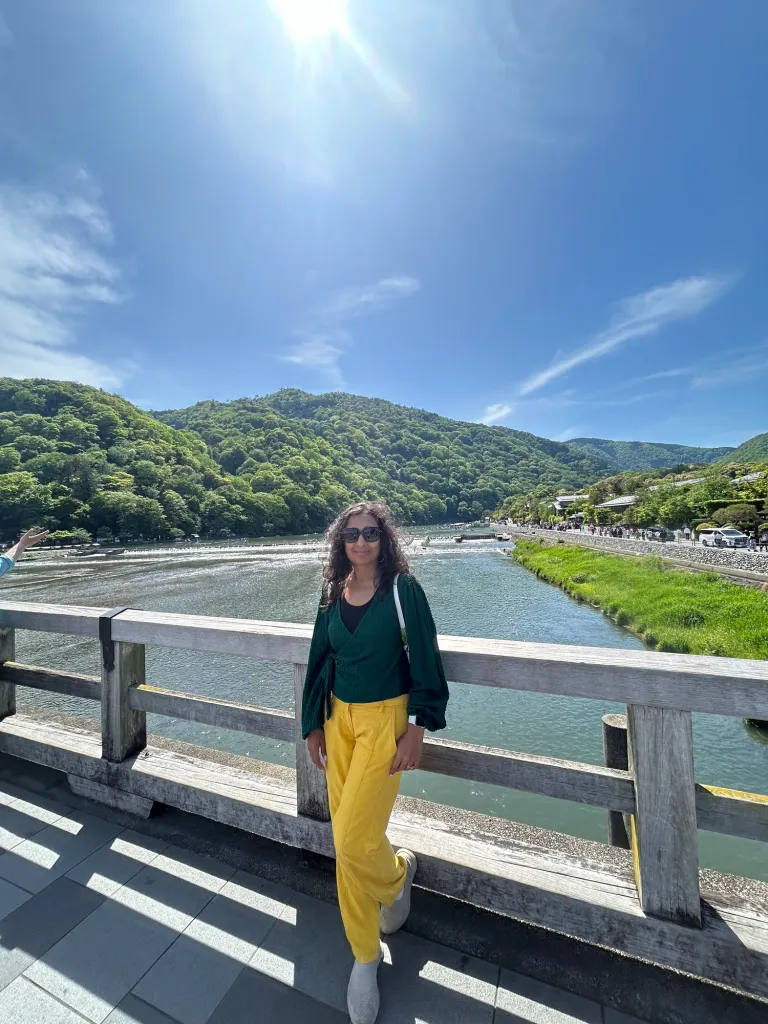
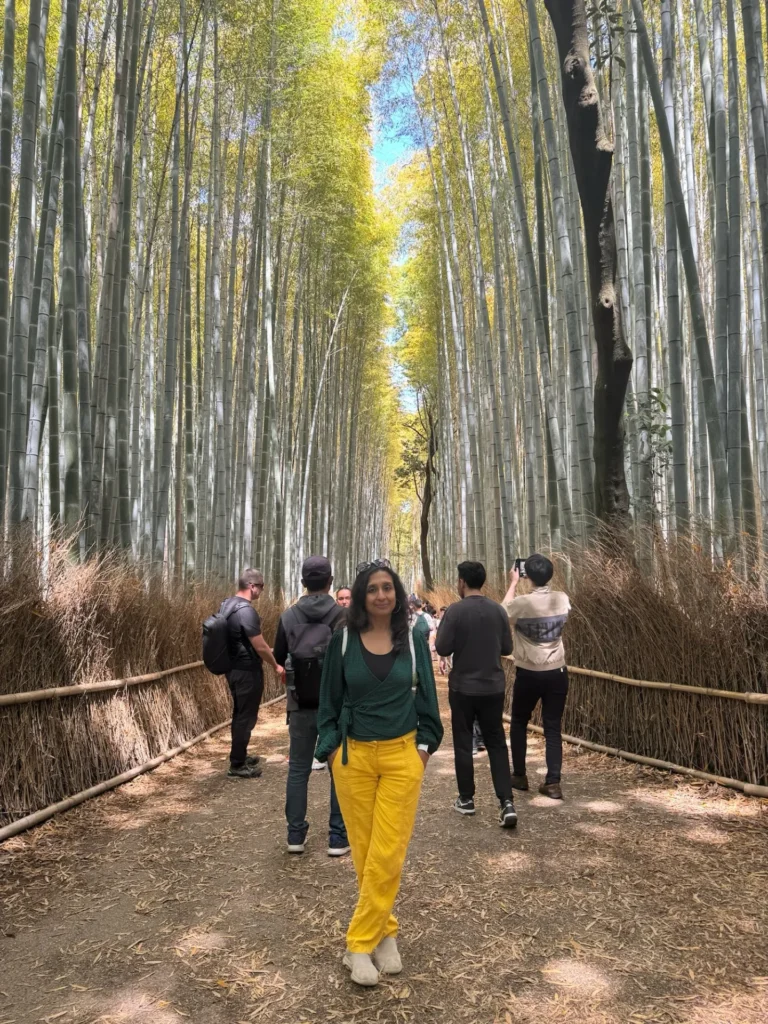
An hour away from Nara is Togetsukyo Bridge and Arashiyama Bamboo Forest. Only a few minutes away from each other and in the midst of nature, combined this is a very common tourist spot and has a lot of shops selling food and souvenirs. The wooden bridge is across the Katsura river and has incredible views. There is no entry fee for the forest and Instagram has made this a must visit spot. On a less crowded day it would be nice to walk around and take a boat ride on the river. Must have Ice cream here at Rilakkuma café, it’s a themed café, loved the soft serve with the cute edible teddy on top.
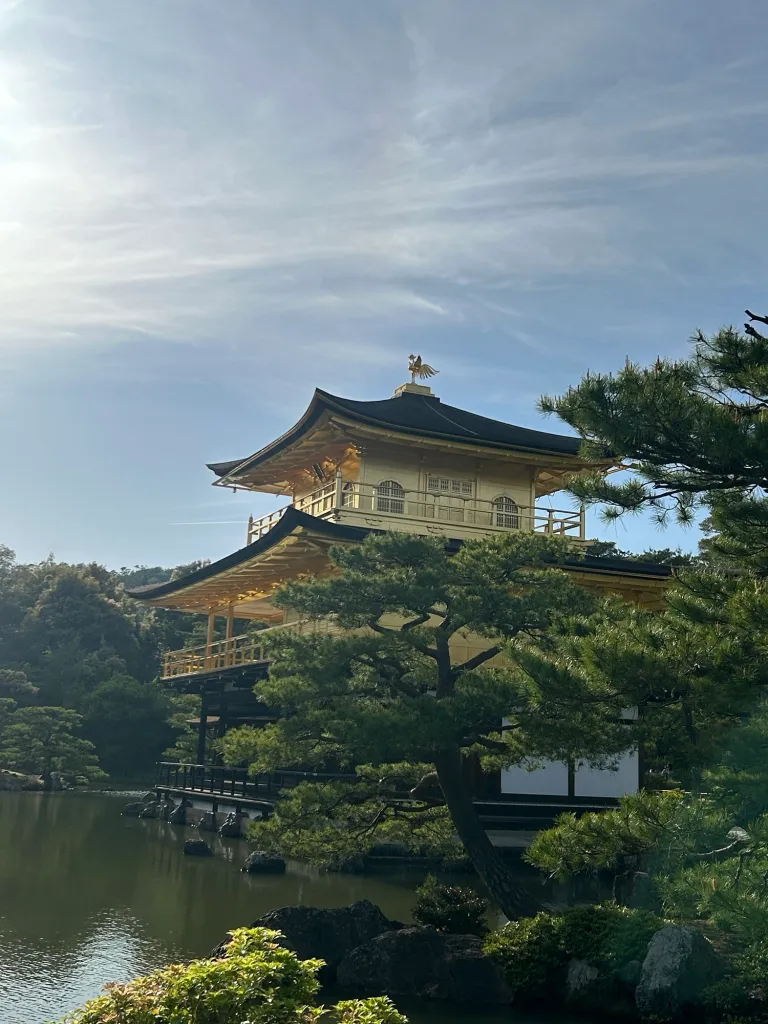
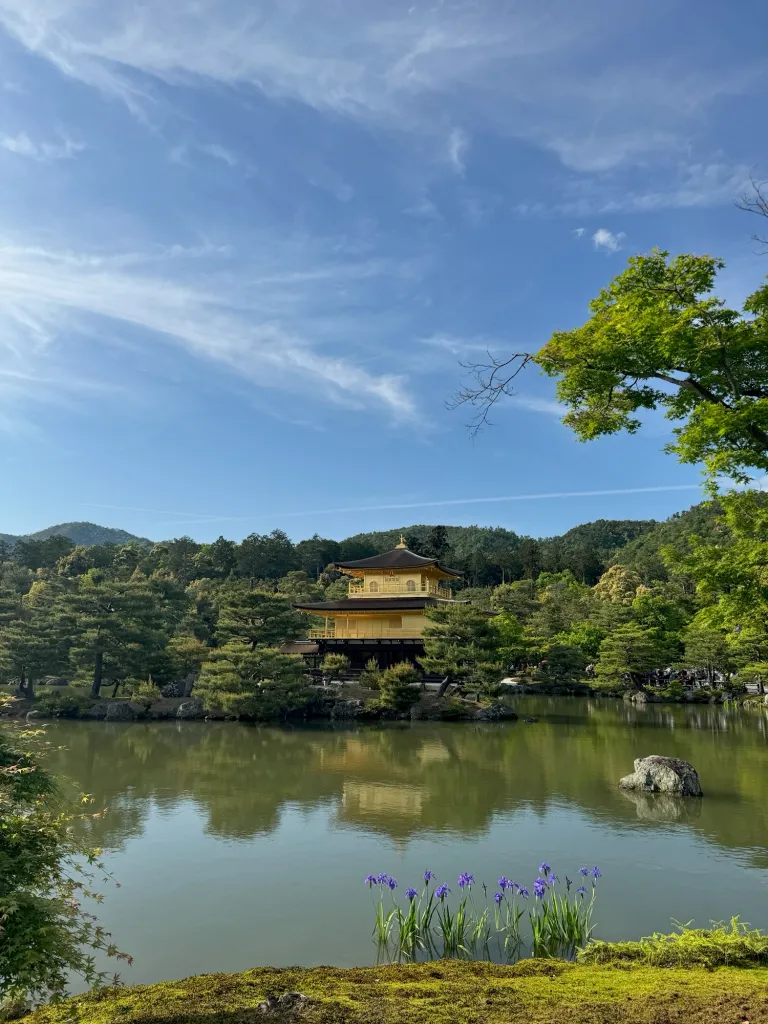
Less than half an hour away from here is the Kinkakuji temple, a UNESCO recognized World Cultural Heritage site. Built at the edge of a large pond almost looks like its floating in the water. The top 2 floors are made in gold leaf and dazzles from afar. Can follow the path and stroll around enjoying the beautiful gardens around. This would not take more than half an hour.
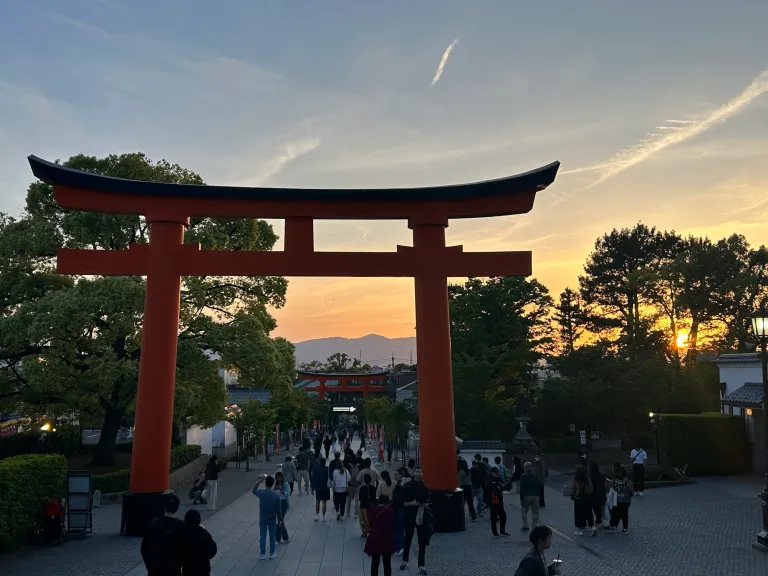
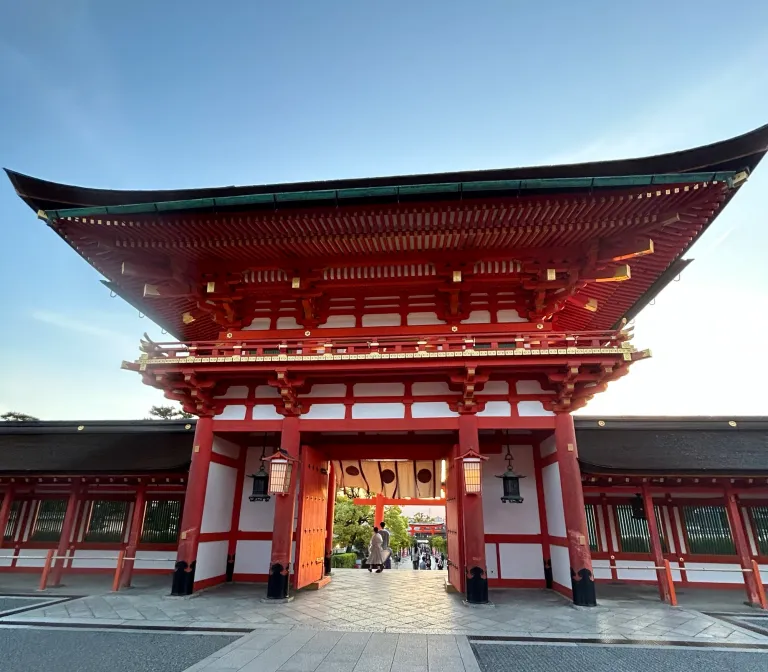
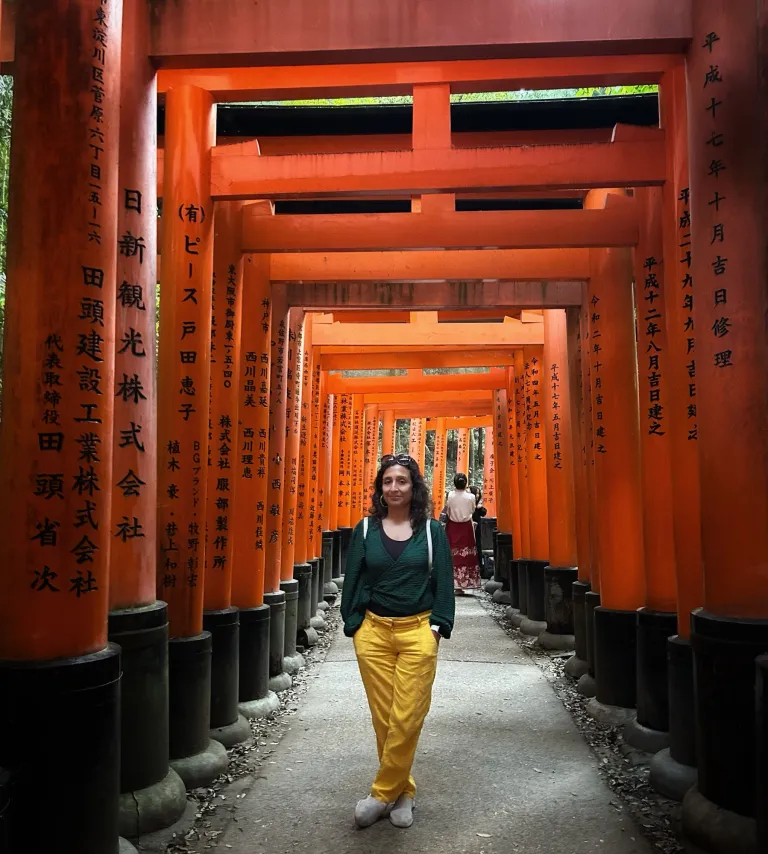
Half an hour away is Fushimi Inari-taisha, keeping this as the last stop makes a lot of sense, its open 24 hours, has no entry fee and its just 10 minutes away from Kyoto. Dedicated to the God of rice, Inari, this shrine is famous for thousands of orange Tori gates behind the shrine which form a path snaking itself deep into the forest. The fox statues seen frequently are because foxes are supposed to be messengers of Inari. Depending on energy levels and time it would be great to go further down the path and deeper in the forest as then the crowds thin down and the beauty of the bright gated tunnel with trees all around can be enjoyed. I was lucky to be here at sunset and the views were unforgettable.
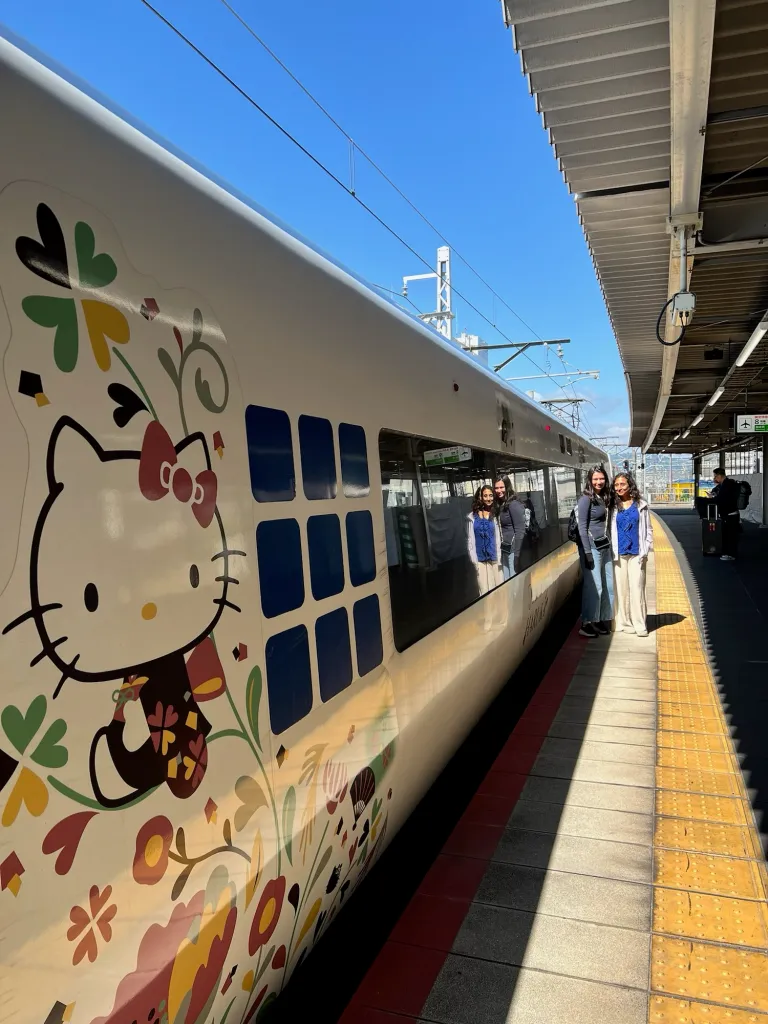
Osaka: A bullet train takes 25 minutes from Kyoto and is covered by JR pass. The train I took had Hello Kitty themed compartments as well as regular ones. Japan is big on themes, there are theme cafes, restaurants, trains. There is a train called Garaku which can be taken between Osaka and Kyoto, it’s got a ZEN garden and compartments themed on seasons. The frequency for this one is less.
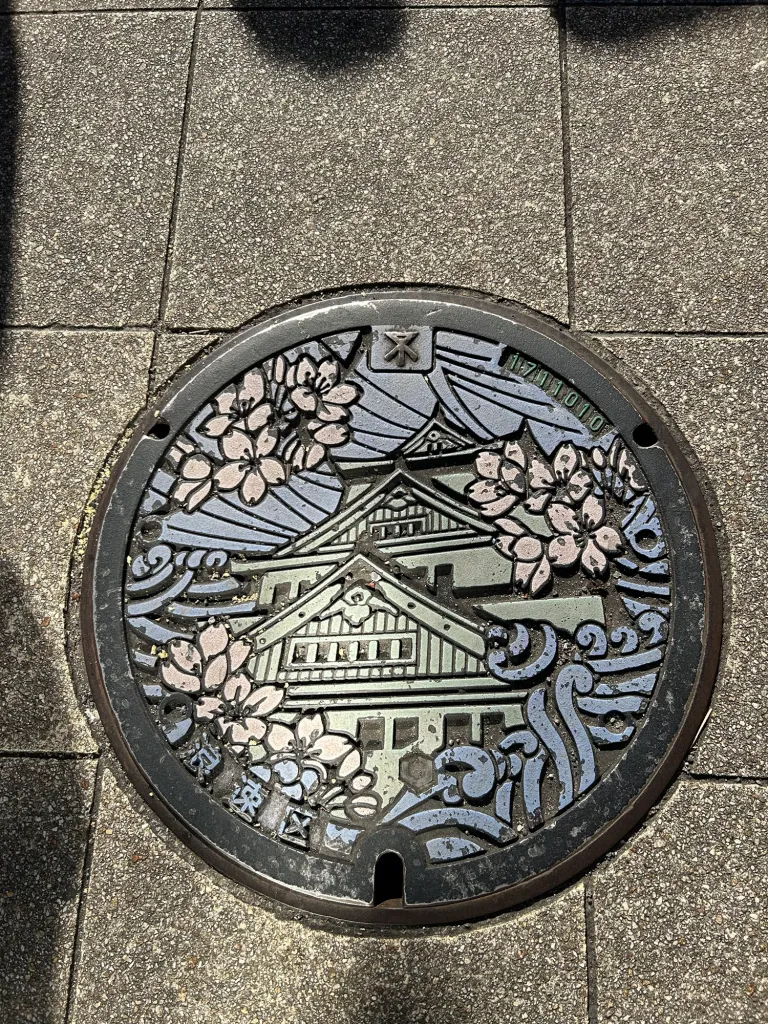
To cover Osaka fast one must limit the places to be seen, which unfortunately I had to do. Take an Osaka pass, which can be bought from home country but has to be exchanged in Osaka for the actual one. Even though I had the address of the exchange counter it was super tough to locate it. Was inside a mall with no signages. Worth the time spent as then one can just enter all places without standing in line. All local transportation is covered in the pass. Umeda tower entry is also included but not for evening for peak hours.
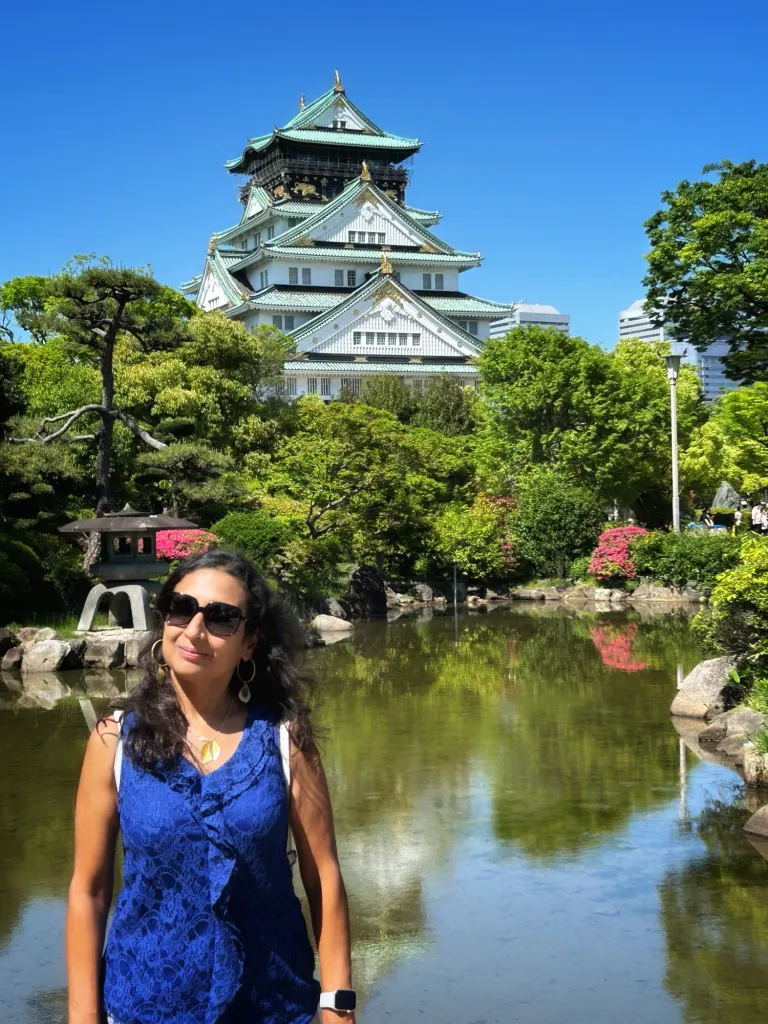
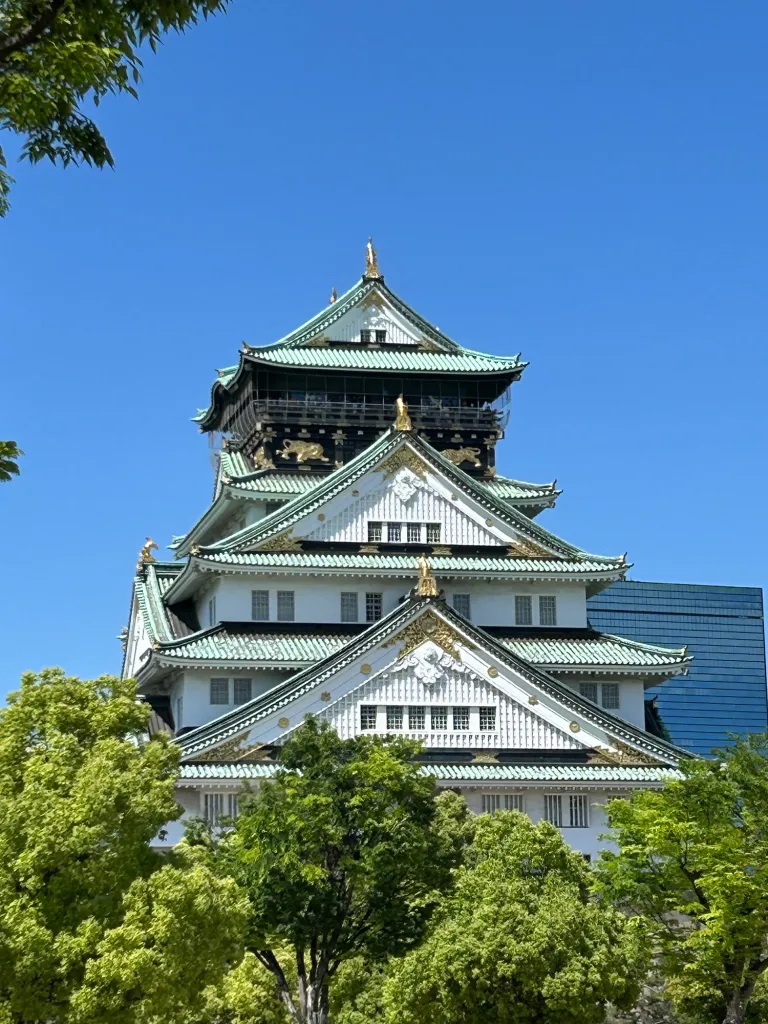
Osaka Castle, don’t get limited to visiting just the castle, explore the lovely Nishinomaru Garden just before it, views from the garden of the castle are super. The entry fee to the garden is separate from the castle, however the Osaka pass covers both.
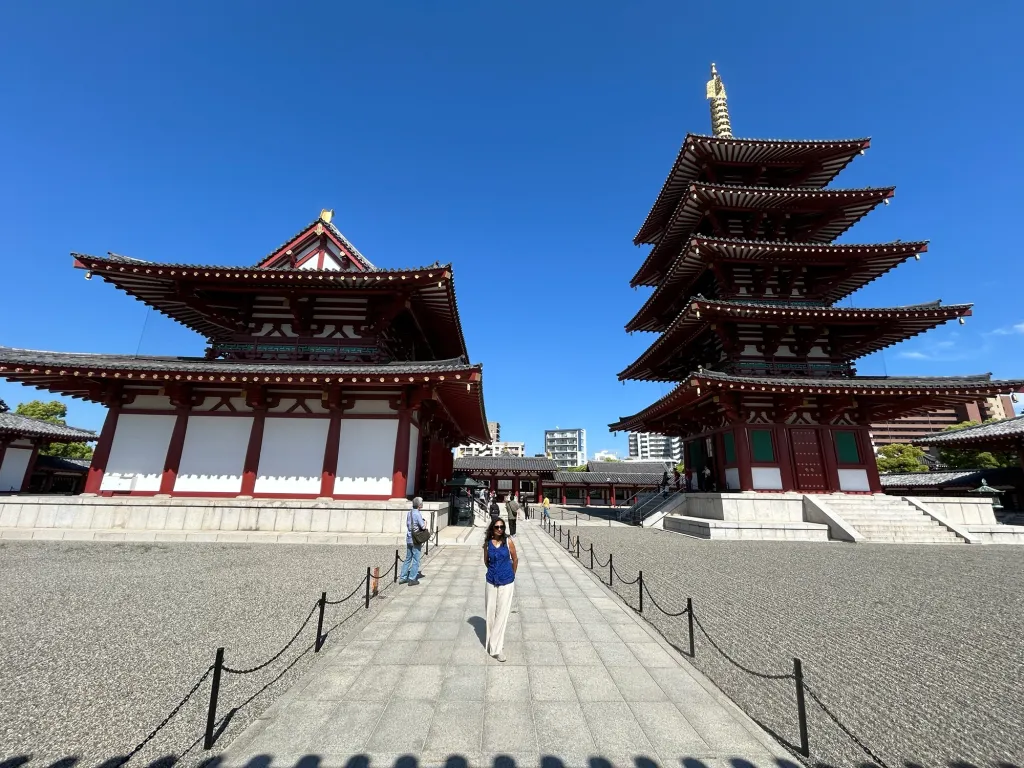
Shitenno-ji Temple is one of the oldest Buddhist temple in Japan. Will not take time to explore this one. Has an entry fee covered by the Osaka pass.
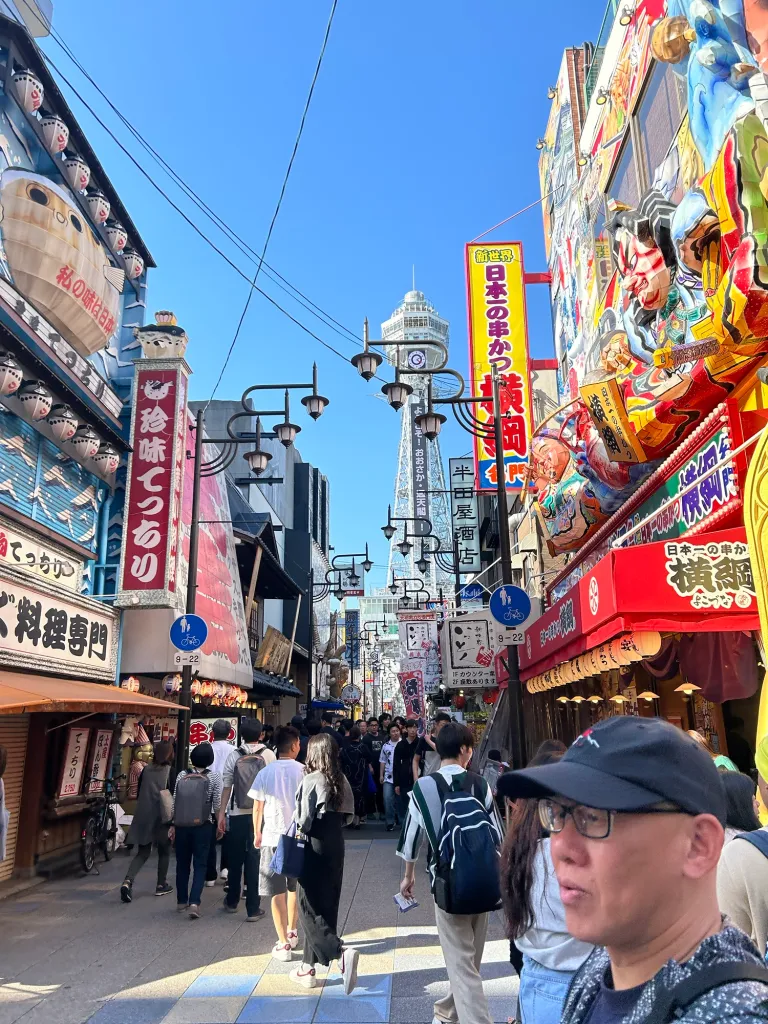
Had to give Tsūtenkaku tower a miss as the lines were crazy and no exceptions were made for the Osaka pass.
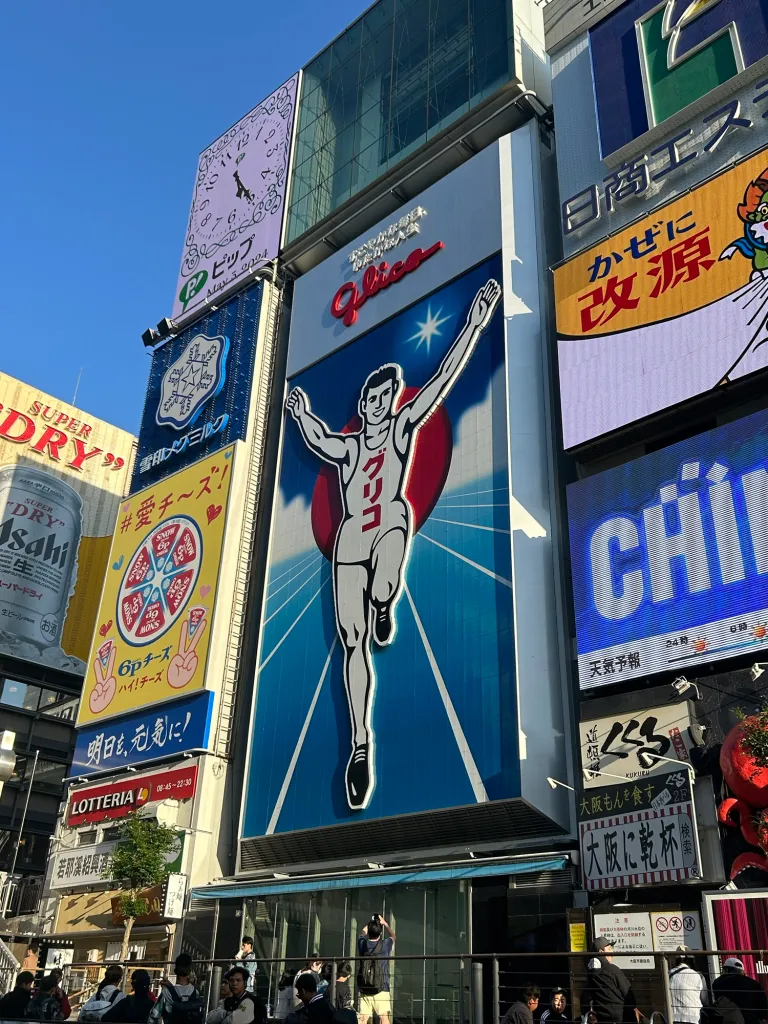
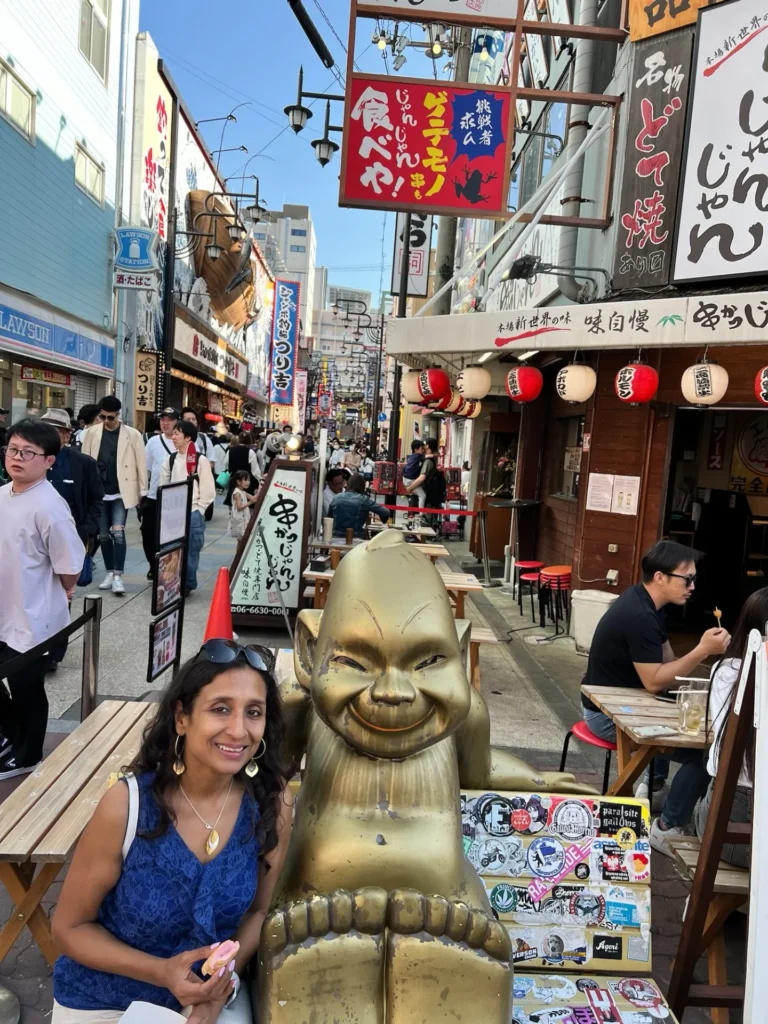
A longish walk away from here is Dotonbori it’s both the name of the canal and the street running parallel along the waterway, filled with hundreds of street food stalls, busy restaurants and thousands of small shops. Take a river cruise that goes up and down the canal. The journey takes about 20 minutes and you can buy tickets on the spot, again if having Osaka pass can show that and get a ticket complimentary. While on the cruise take a picture of the famous Glico running man.
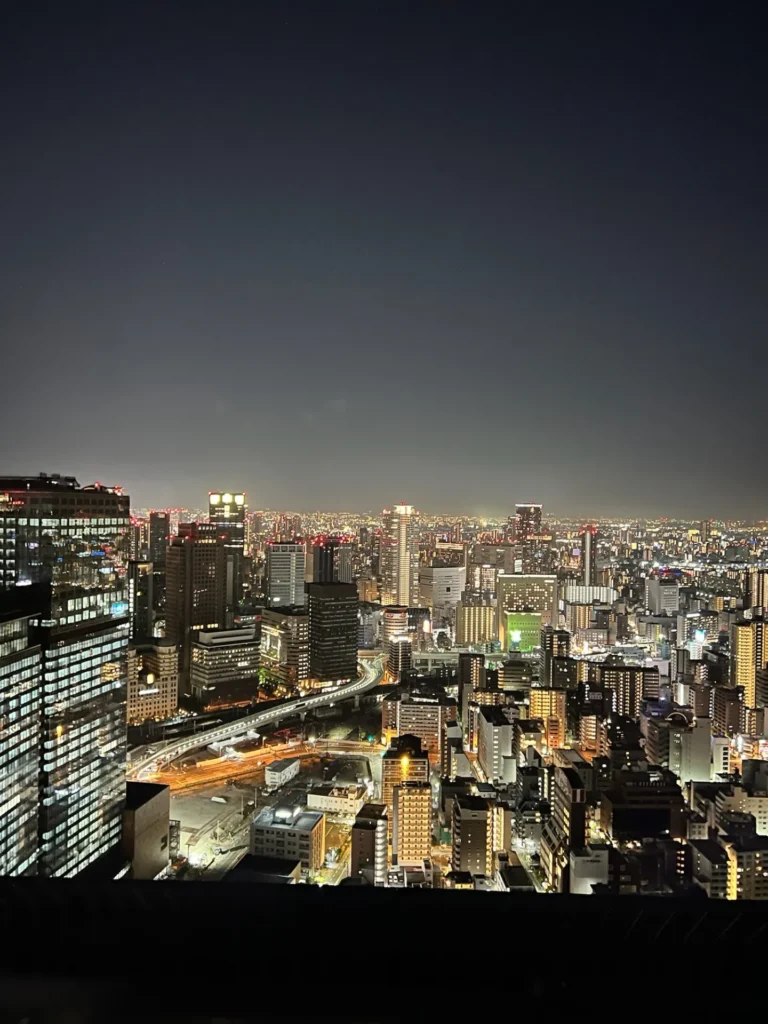
Umeda sky building consists of two towers that are connected at the top by the Floating Garden Observatory which is the highlight of the building. It has breathtaking views of Osaka and the floors were twinkling like stars. To pass between the two towers there is an escalator, this too offers stunning views. Entry is covered by Osaka pass, though at non peak hours.
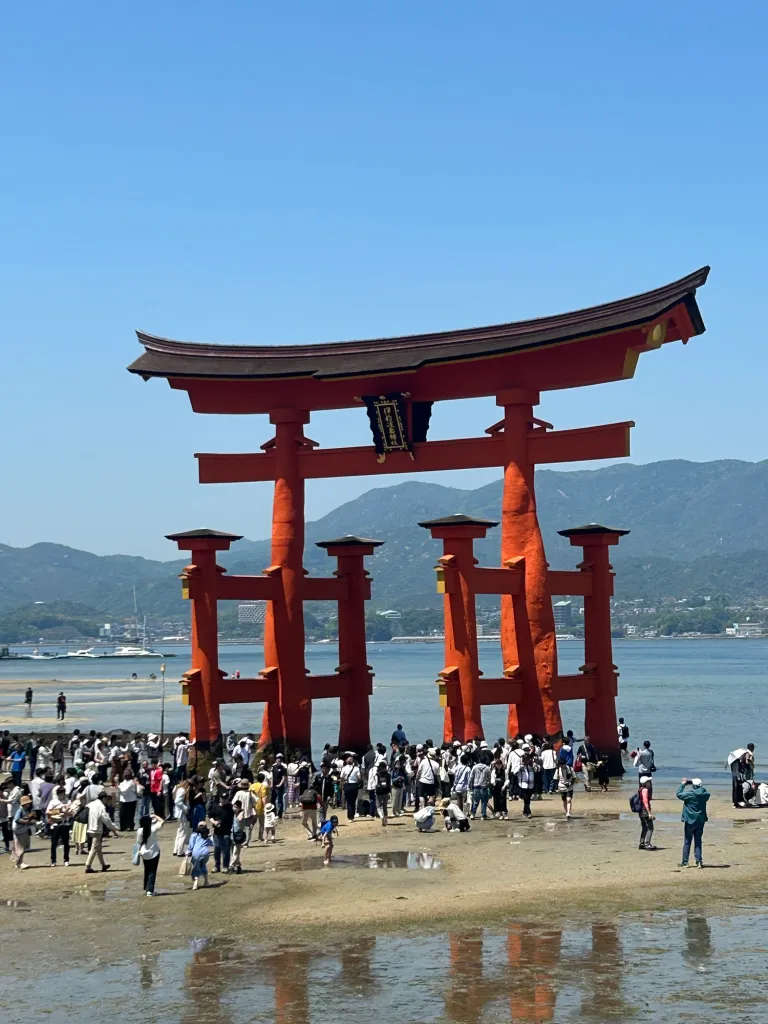
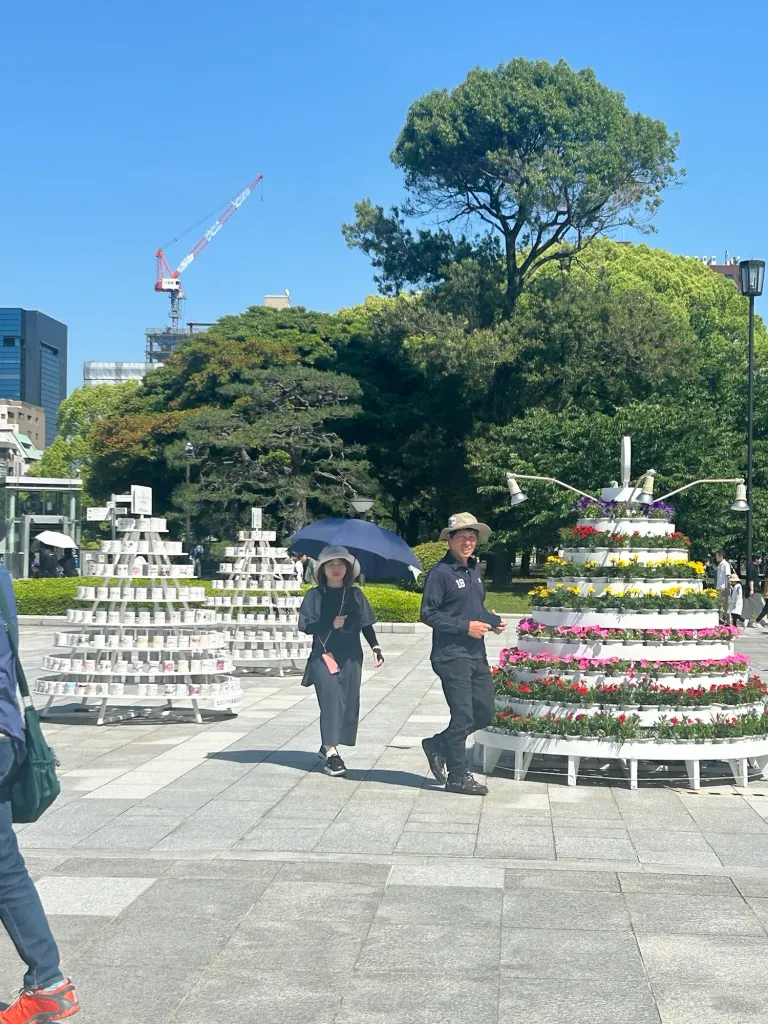
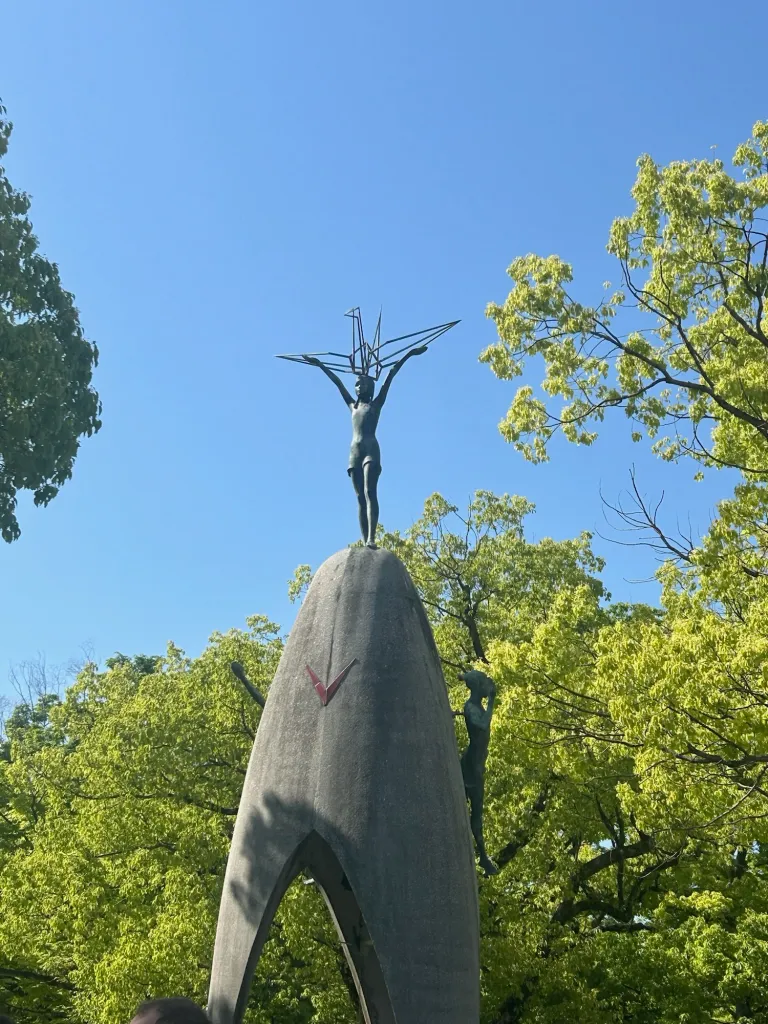
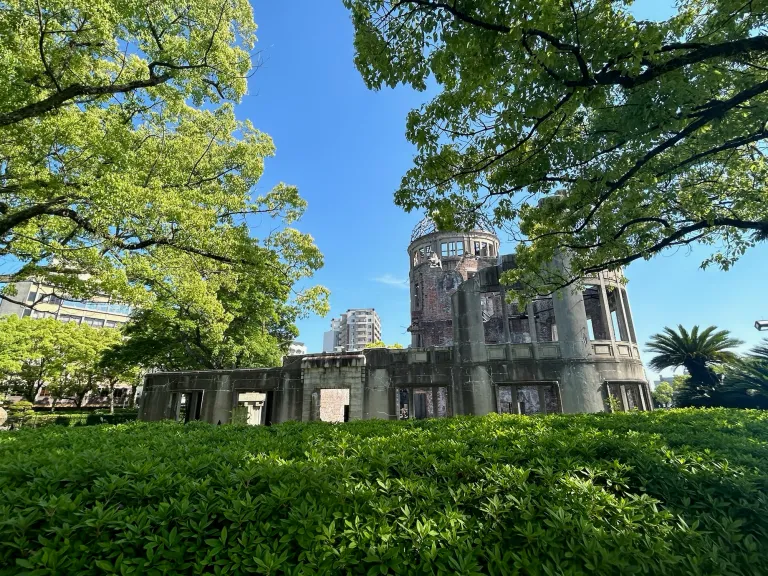
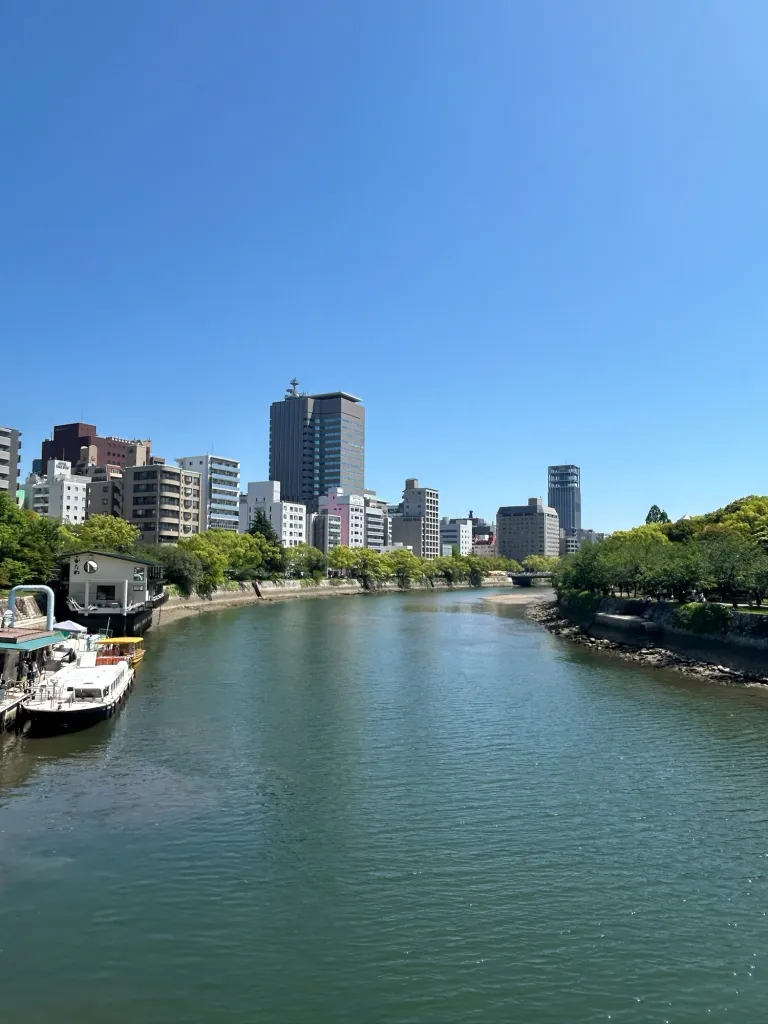
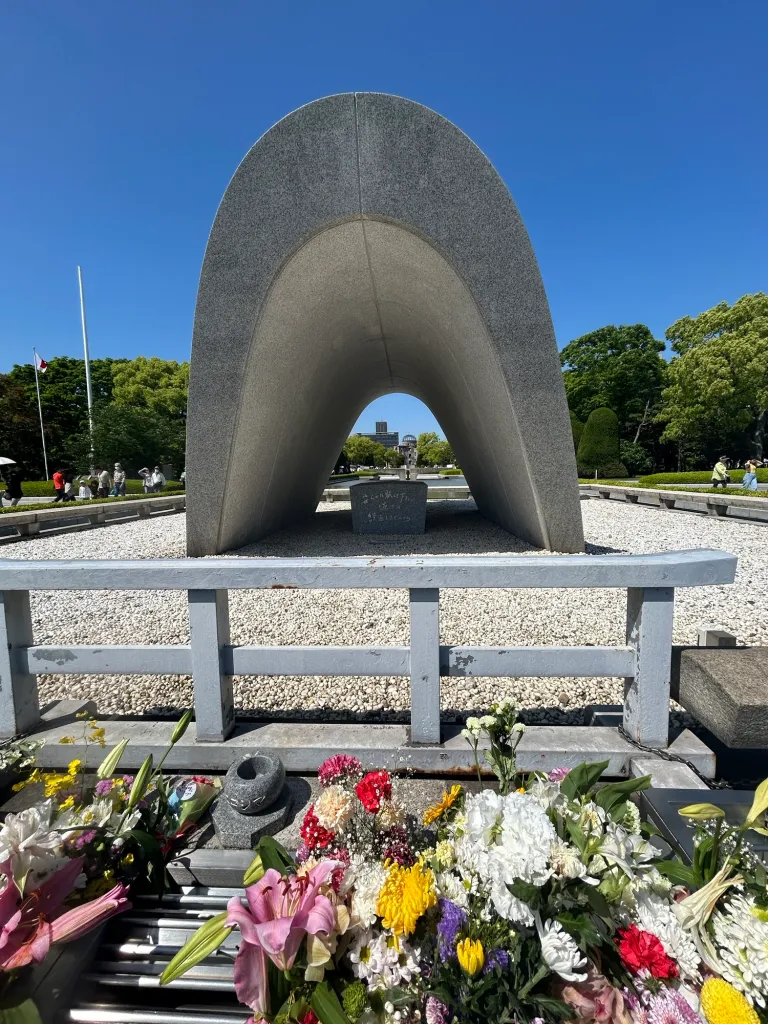
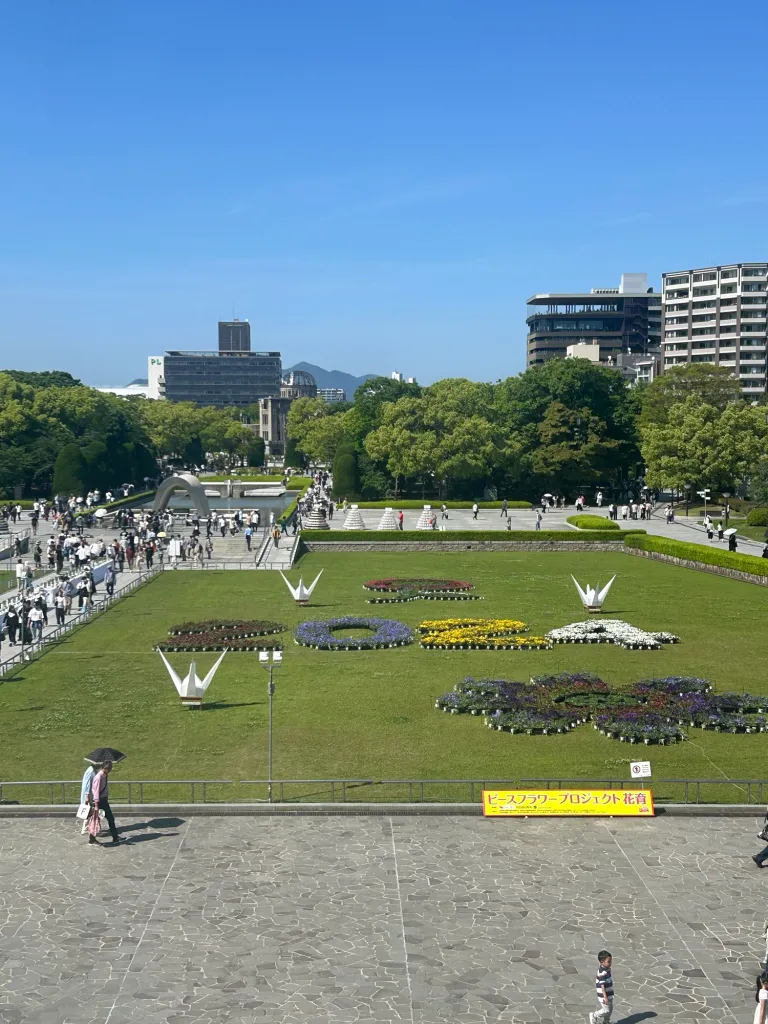
If doing on the same day, a short ferry ride away from Miyajima is Hiroshima peace memorial. It’s hard to believe the scale of destruction that happened here. Was apprehensive about visiting here after all holidays are about happiness and positivity. Not sure what I was expecting but definitely not this beautiful peaceful place full of Zen. The guide while narrating and showing places where disaster had struck was talking more about how the people have shown resilience, not only people but even the city, it was predicted that it would be decades before vegetation would thrive here, defying that, all around was greenery and flowers. A statue of Sadako the girl who ultimately succumbed to the aftereffects to the radiation is one of the first things seen. She is remembered through the story of the 1,000 origami cranes that she folded before her death.
Just outside the museum there is an eternal flame, which will burn till all nuclear bombs are abolished. Though the city is now a thriving one with people working and business as usual the Atomic bomb dome has been left untouched as a reminder of the tragedy.
The museum had stark depictions and pictures of the holocaust, somber moments and a lesson to the world why this should never happen again. A paper crane made personally by Obama and displayed prominently stands witness to the peace prevalent between the 2 countries now.
Tokyo : Thanks to bullet trains taking flights are not necessary in Japan. In a little more than 2 hours one can be in Tokyo from Osaka. Unfortunately the last leg of my journey. Doesn’t matter, coming here again, God willing.
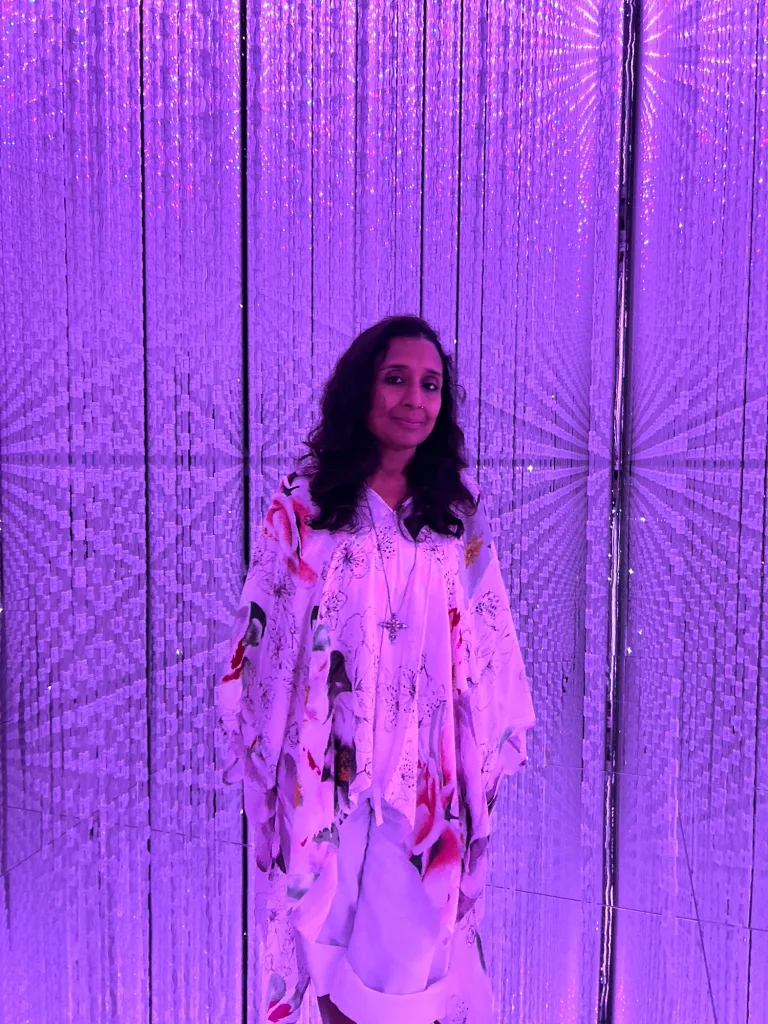
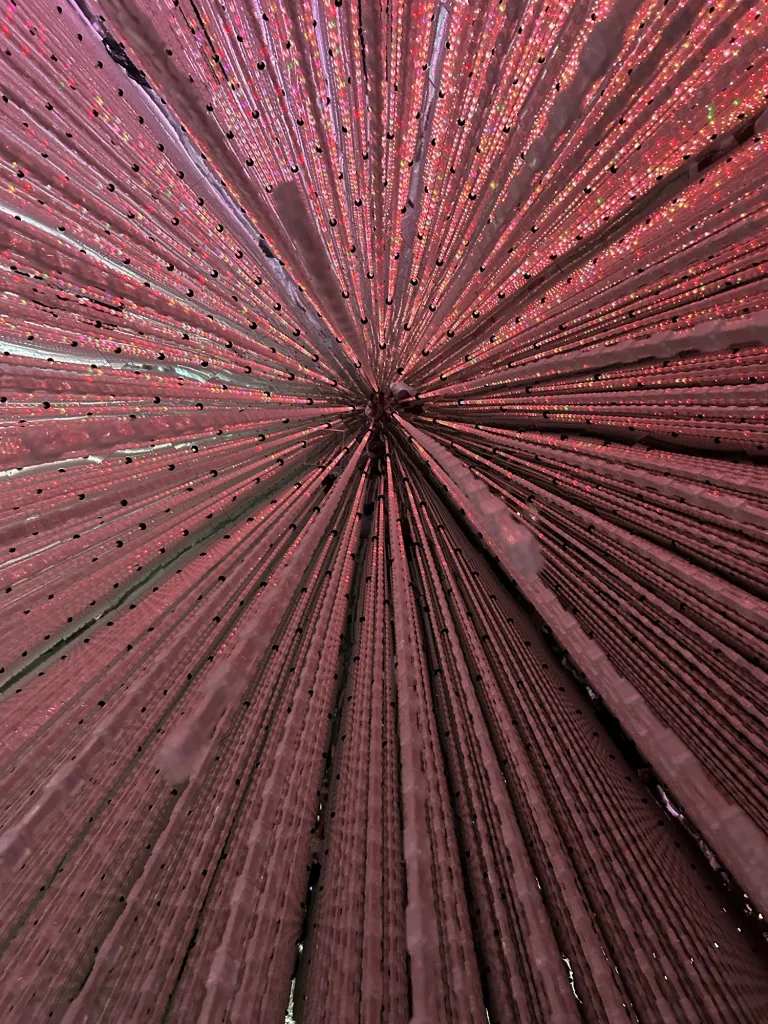
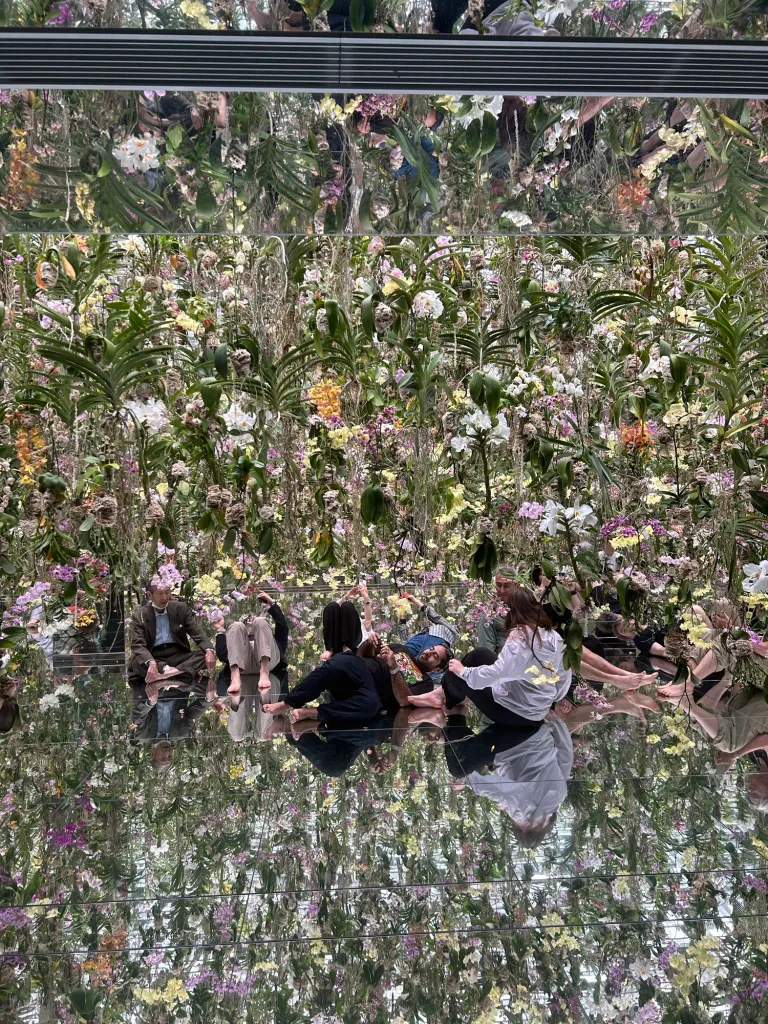
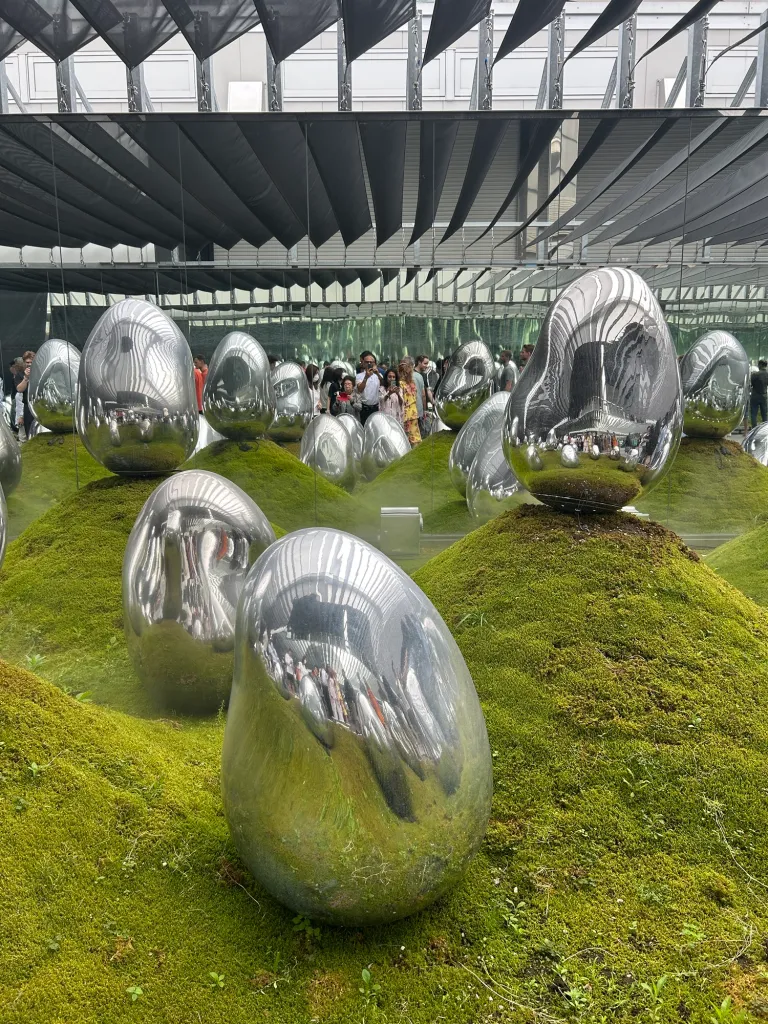
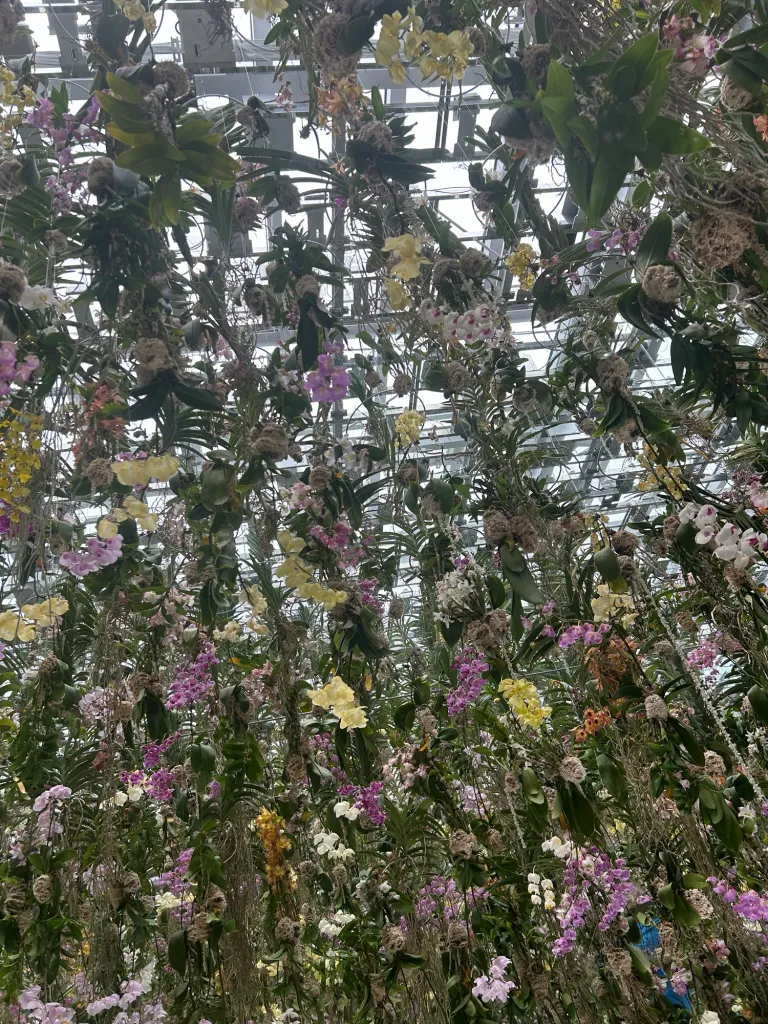
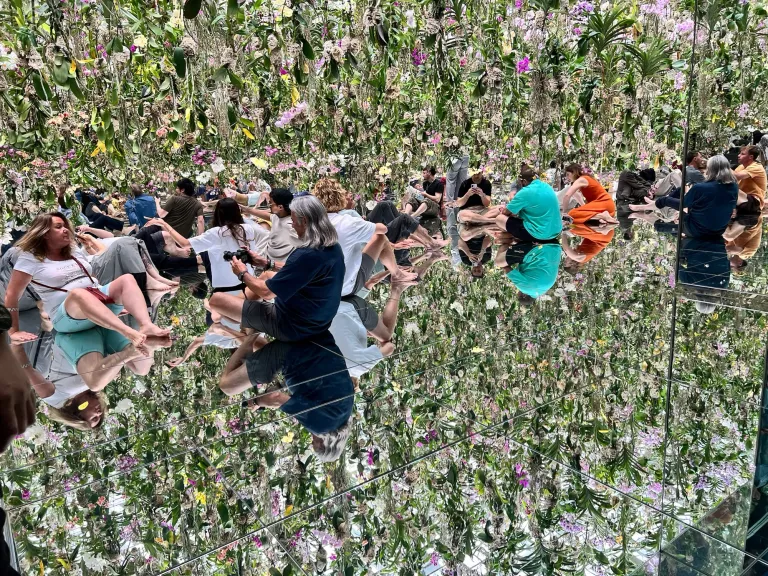
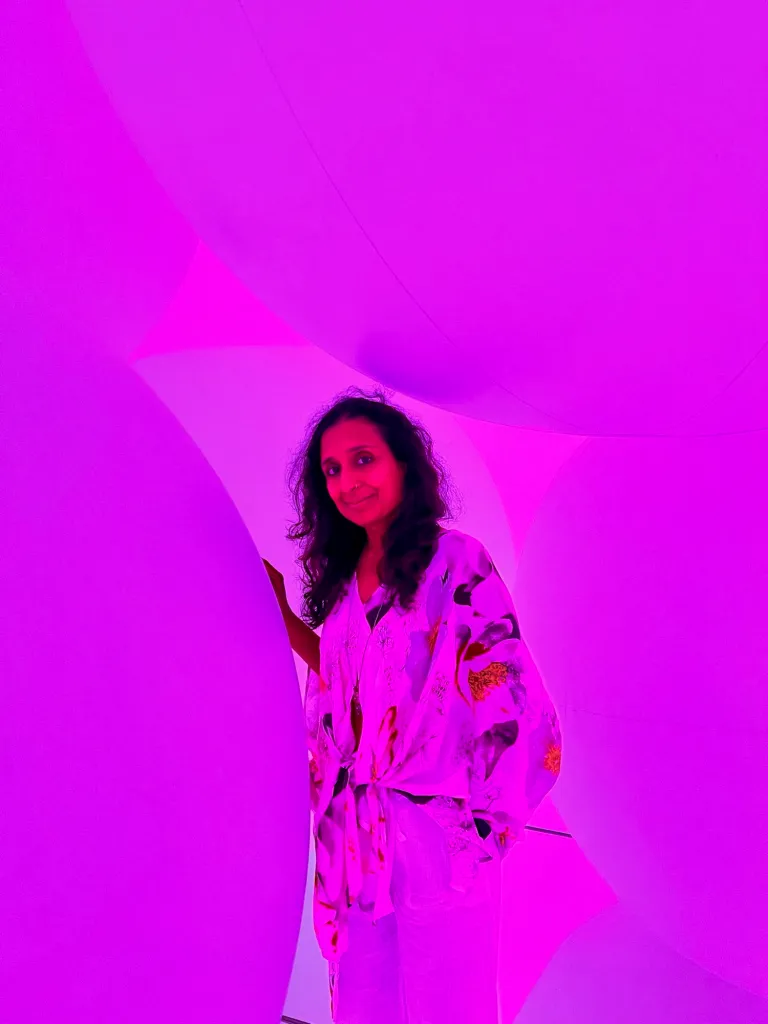
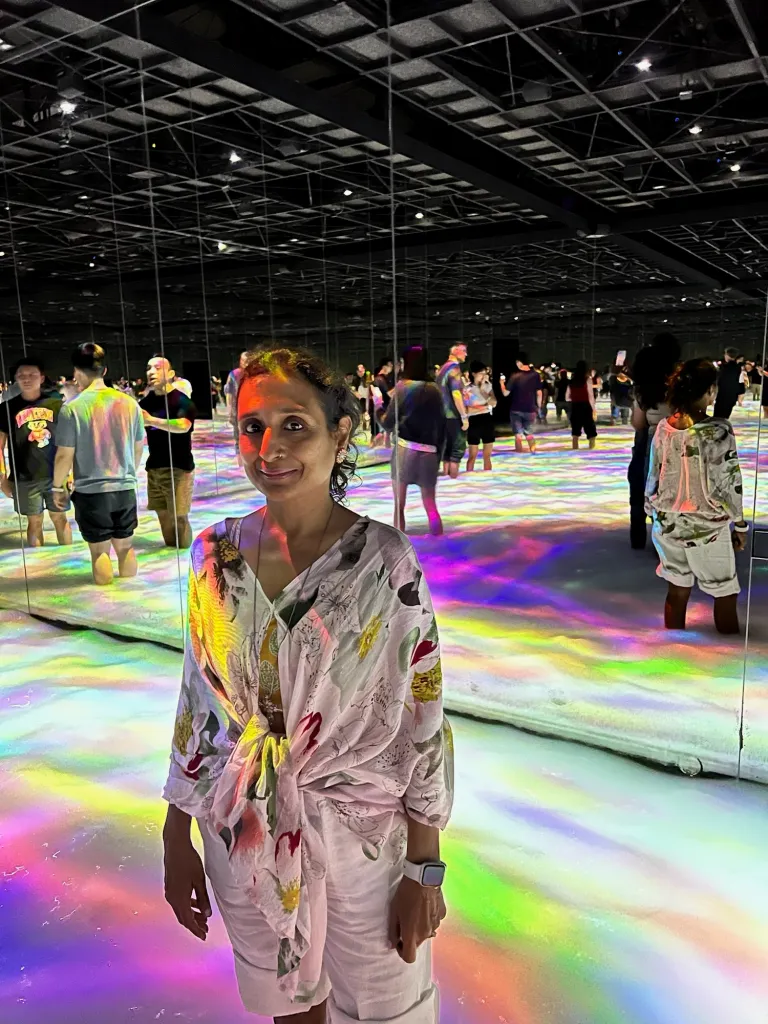
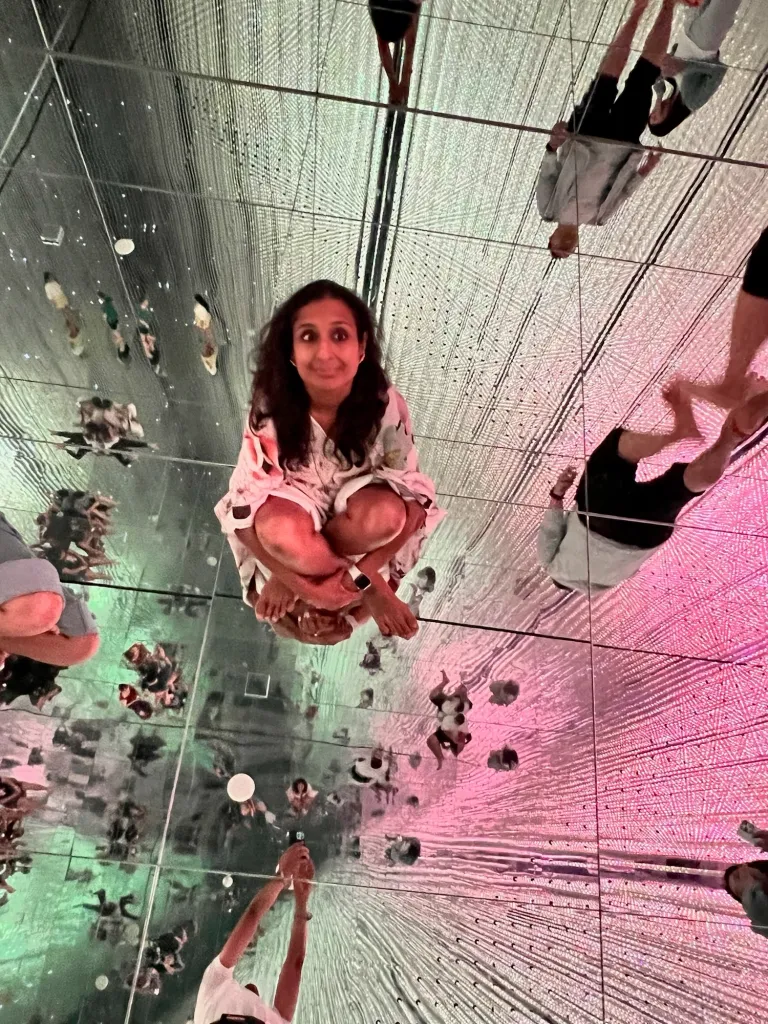
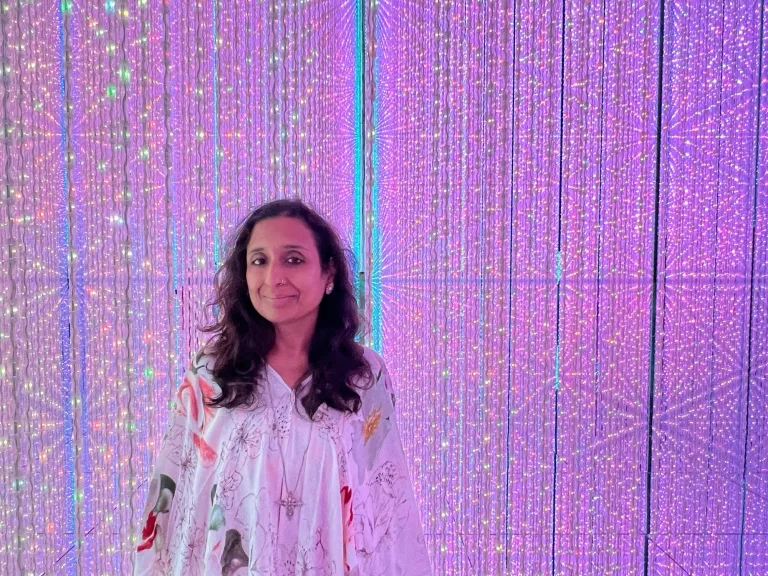
Highlight of Tokyo, team labs. Tough to explain what it is and would want to kind of leave the mystery intact. All that I can say is that it is a immersive and interactive digital art museum. Tickets do get sold out, better to buy in advance. Don’t wear skirts or short dresses. Preferably wear something that can be rolled up as well. Keep aside at least a couple of hours to enjoy this to the hilt. Don’t forget to have the world’s best Ramen just outside the museum.
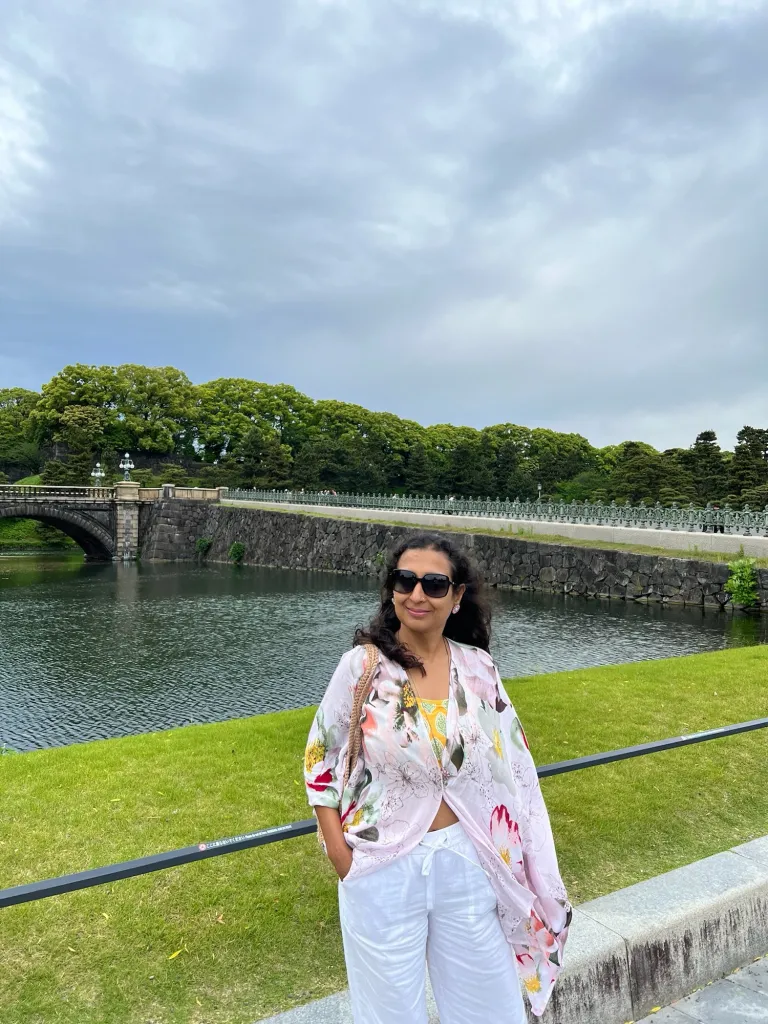
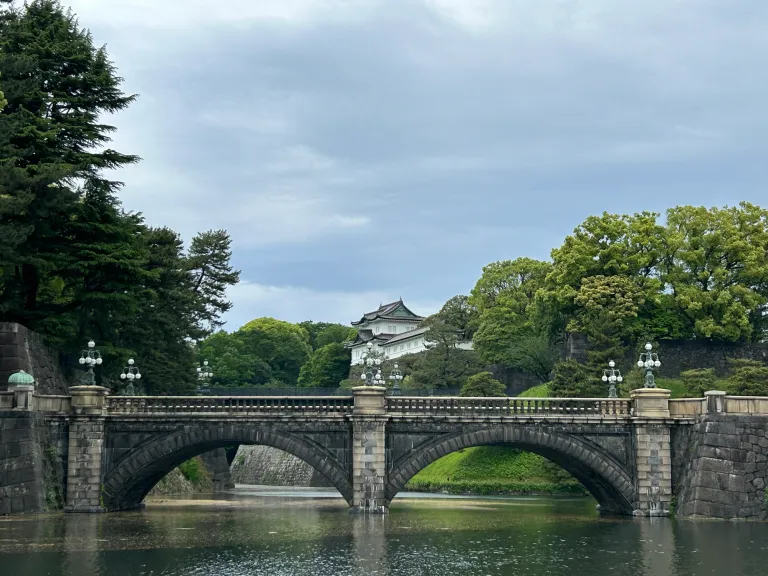
Tokyo Imperial Palace : the emperor still stays here, the outer grounds are huge parks and the inner grounds can be accessed only by guided tours or on public holidays. Nijubashi Bridge here is a good backdrop for pictures to be clicked.
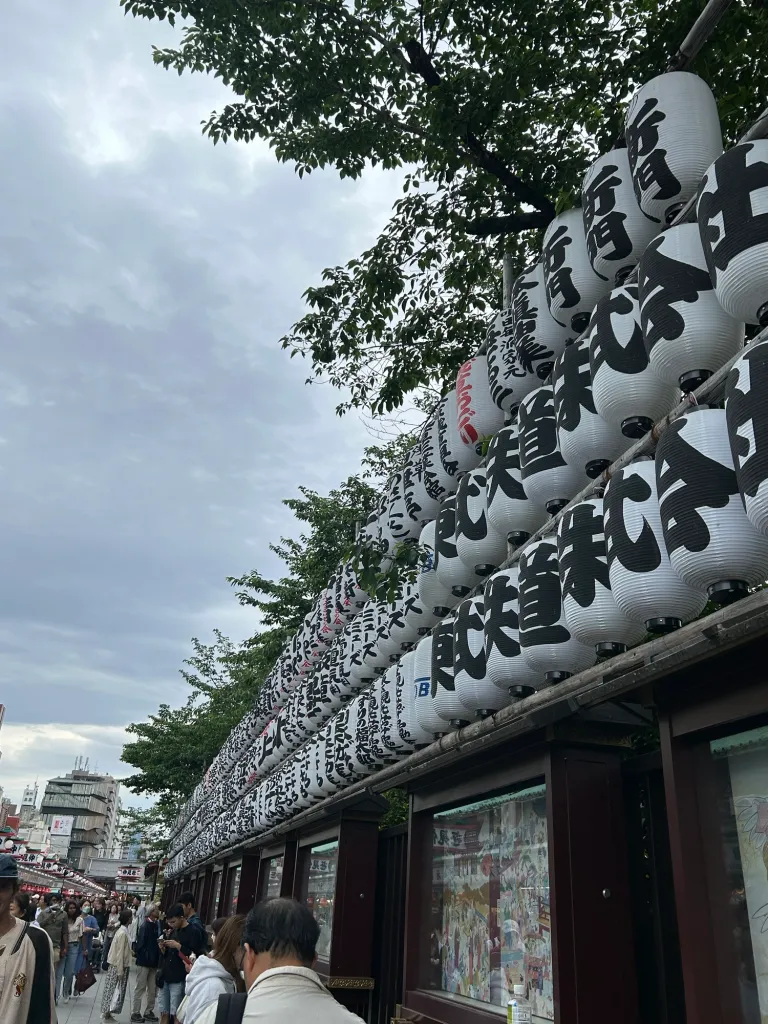
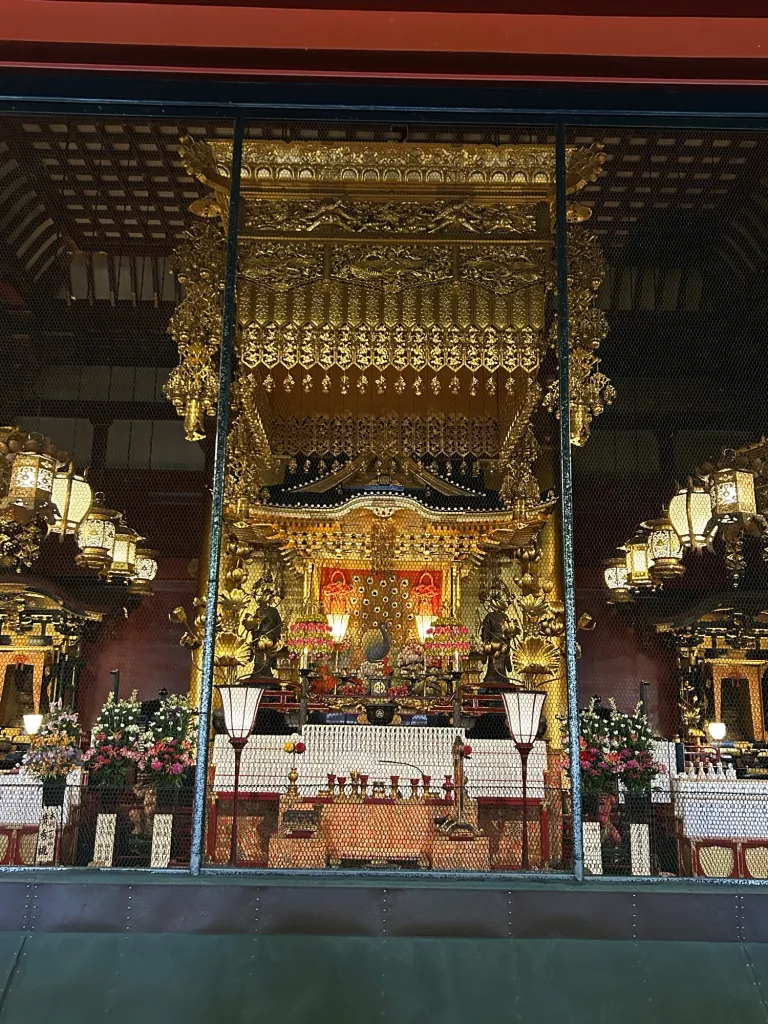
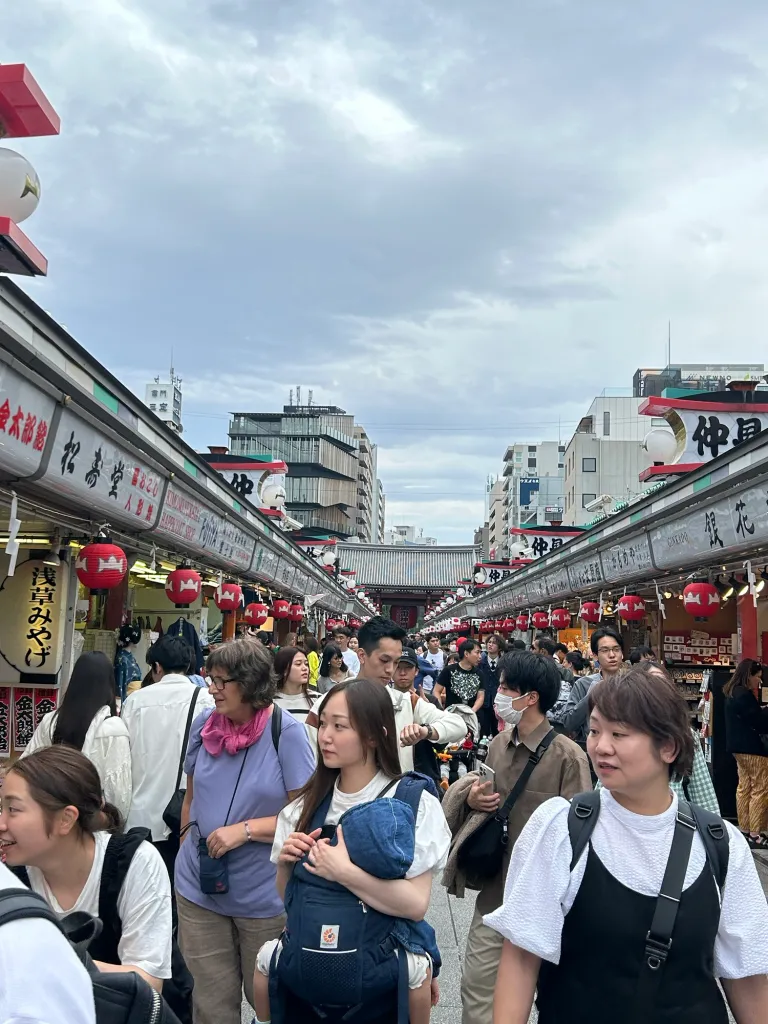
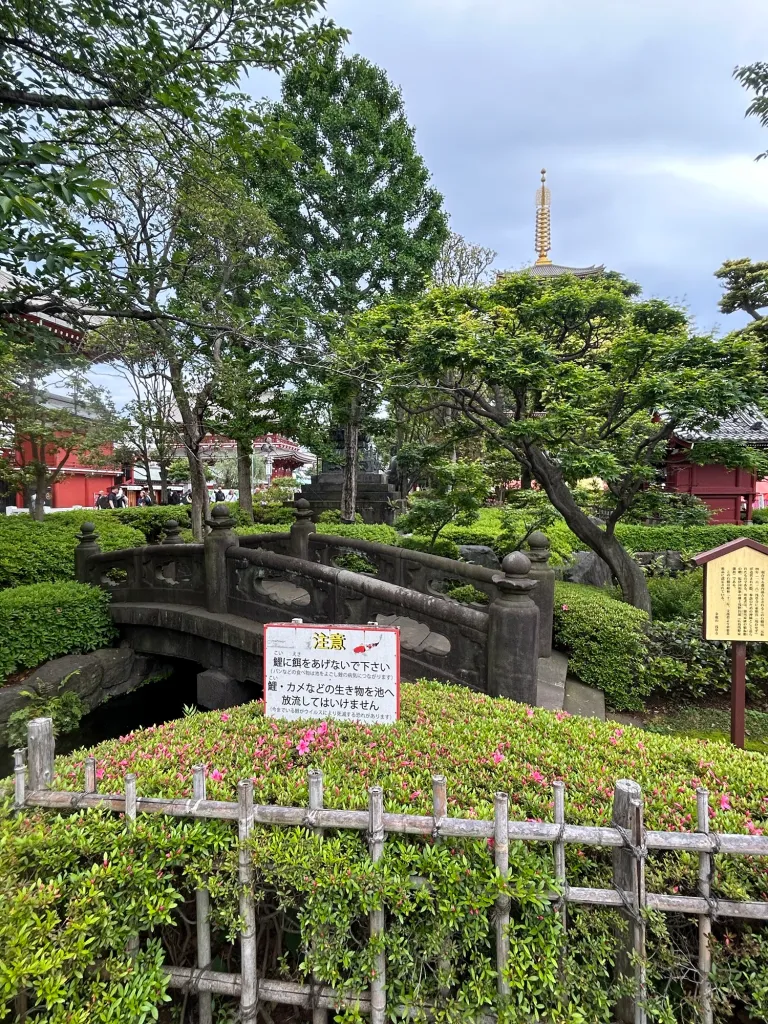
Senso ji temple : The oldest Buddhist temple in Asakusa, Tokyo. The temple has a five-story pagoda, the Asakusa Shrine, and an incense burner where visitors can participate in the ritual of purifying themselves with incense smoke. Just outside the temple is Nakamise Shopping Street, one of the oldest shopping streets in Japan, and has a wide variety of traditional Japanese souvenirs and local food, a lot of shops here have vegan street food. The temple closes at 5 PM and so do the shops.
Tokyo Tower : Open from 9 AM to 10 PM this was an average experience, can be skipped. They have a glass floor on the top deck, an aquarium, wax museum, roof top garden. Maybe Shibuya Sky or Sky tree would be better for a viewing experience.
Shibuya scramble : wondered what is so fascinating about people crossing the road ? what’s the hype about ? The deal is that all the lanes at the crossing open up at the same time. It’s a sea of people crossing all the lanes together. They are going about their regular day while tourists are going berserk taking pictures & videos. The best place to watch this is from a Starbucks located at the crossing in a building which has perfect viewing vantage point.
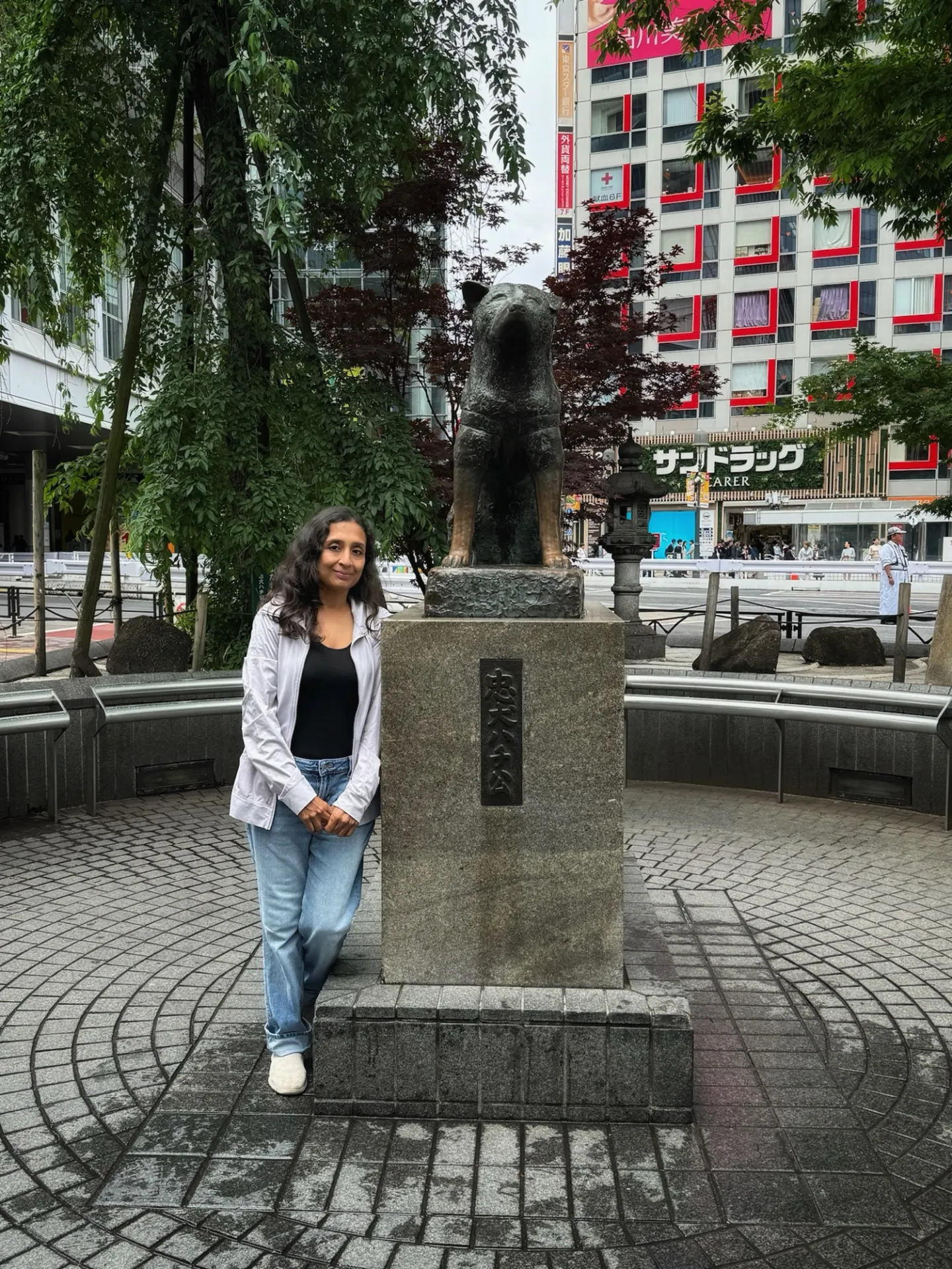
Have to share the story about Hachiko the faithful dog. It’s said that Hachiko would see his owner off every day to work at Shubuya station and would come back in the evening to pick him up. One day the owner died at work but Hachiko would still go every day to the station till the time he died. There is a statue of Hachiko at the Shibuya crossing. I needed a picture with him, in a world of false promises such stories are heartwarming.
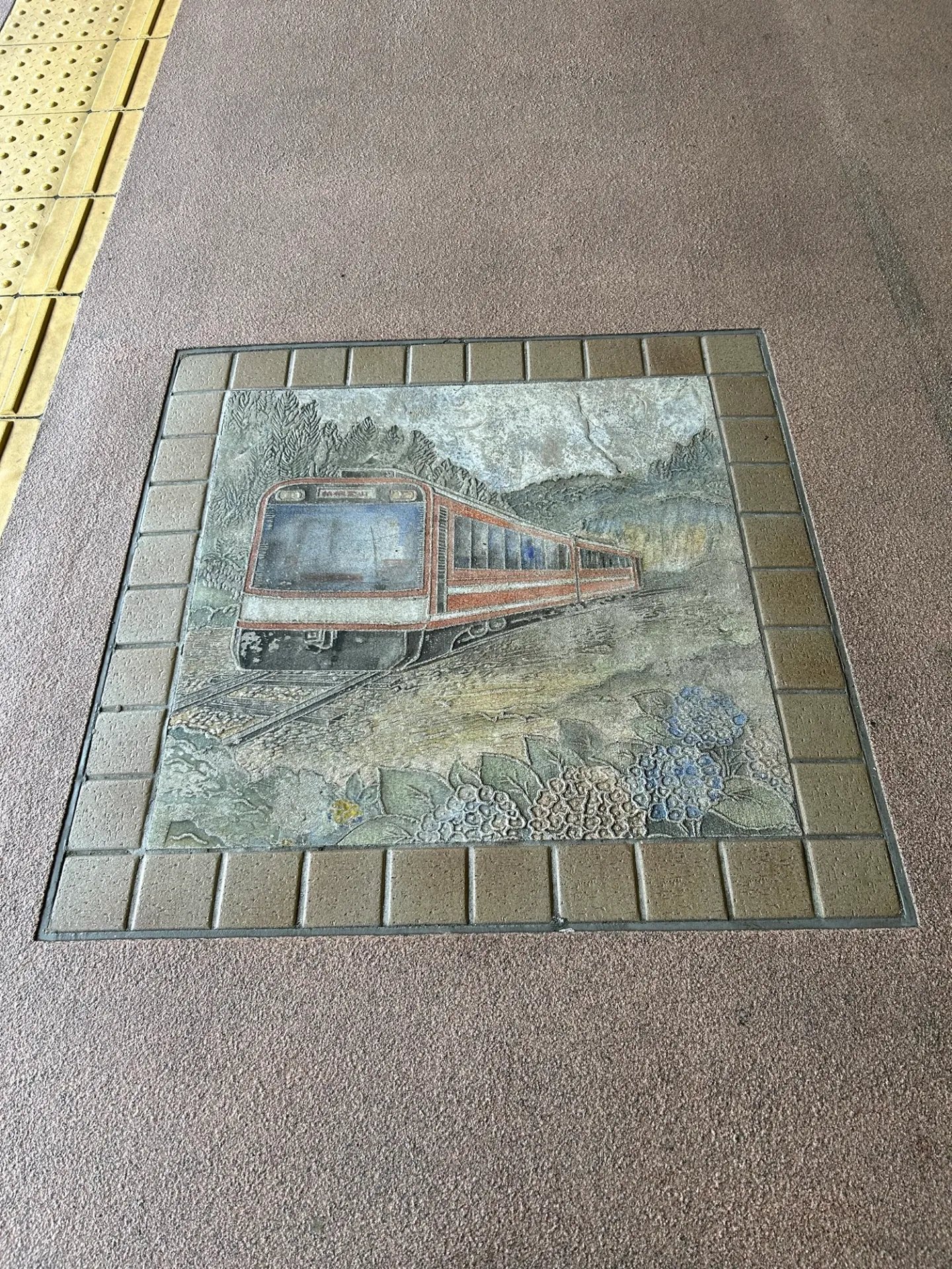
In search of an authentic Onsen and because Owakudani the volcanic valley sounded so fascinating I tried to find the shortest route for a day trip from Tokyo to cover both & more, all research said Hakone by public transportation would take 2 hours.
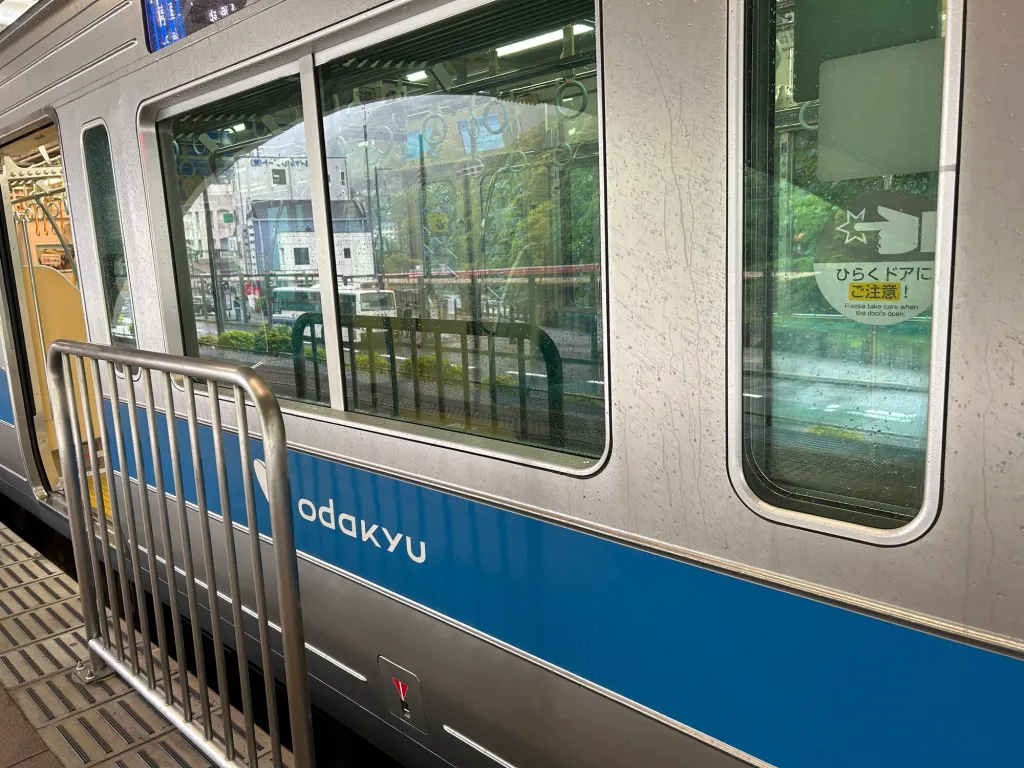
Let me tell you the shortest route for it. From Tokyo station take a train to Odawara ( 30 minutes ) from Odawara take a shuttle train to Hakone ( only 15 minutes ) The first part is covered by JR pass, beyond that take a Hakone free pass which covers all modes of transportation as well as the pirate ship cruise. Again the pass can be bought in home country but has to be exchanged at Odawara.
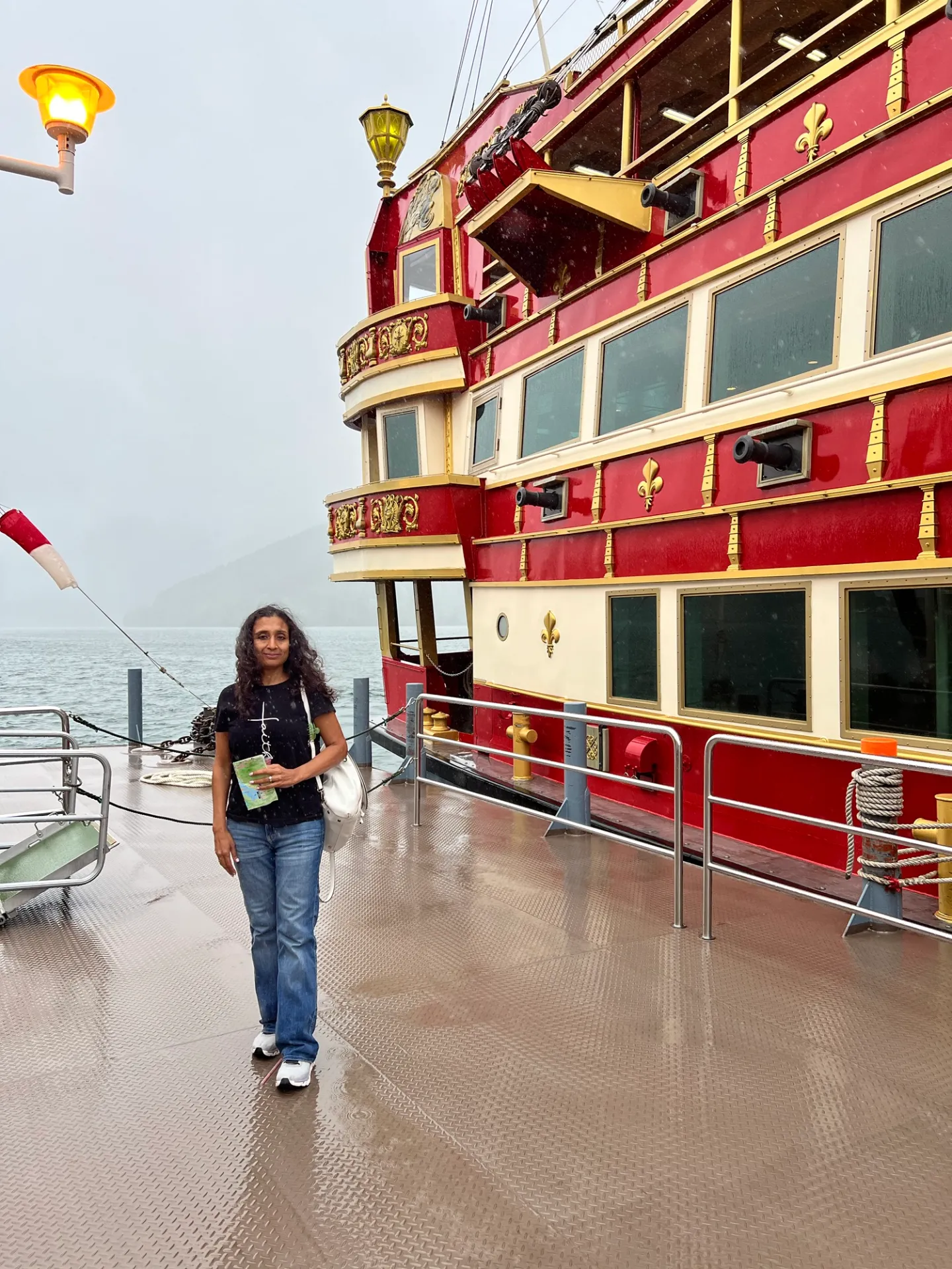
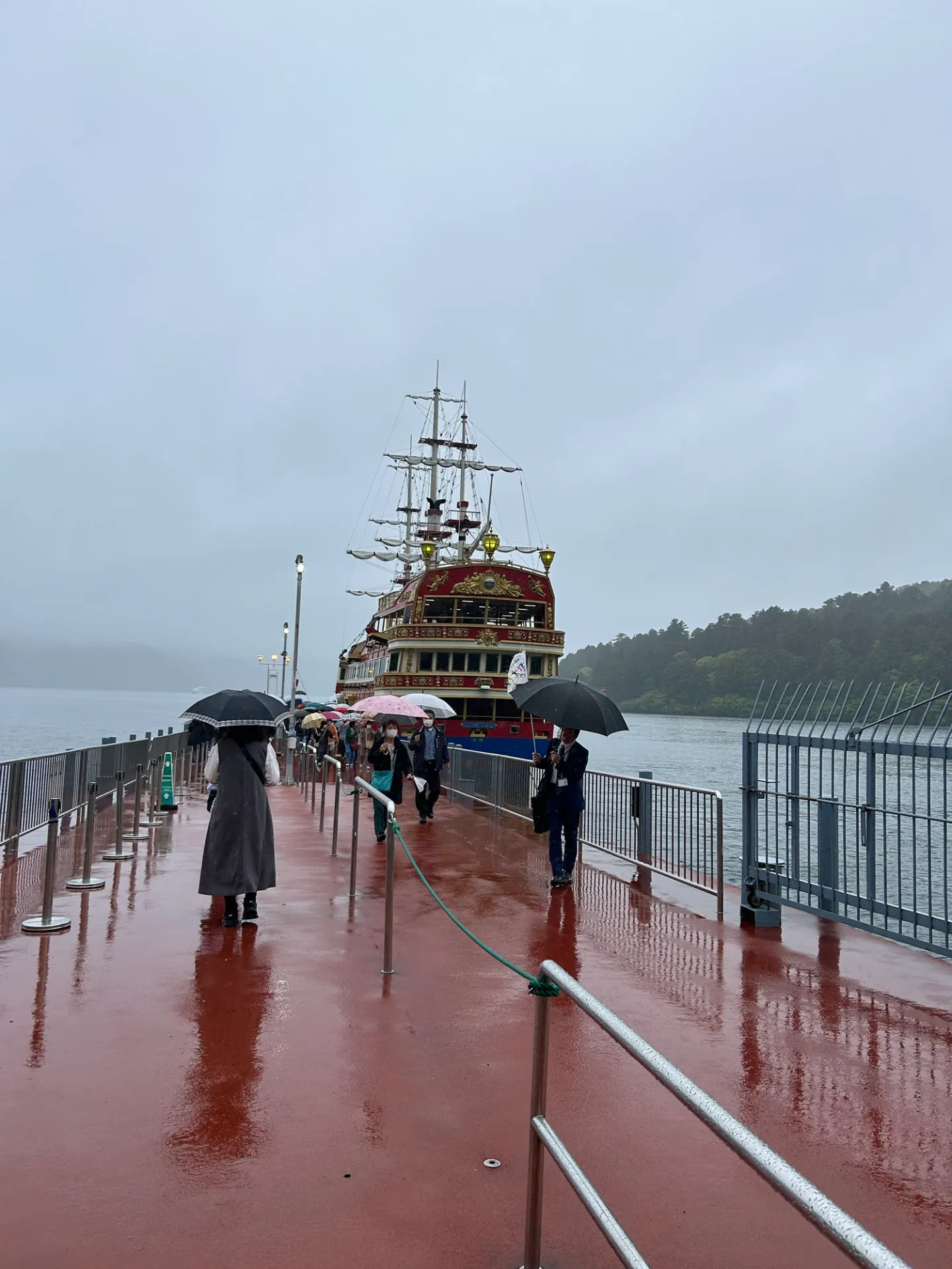
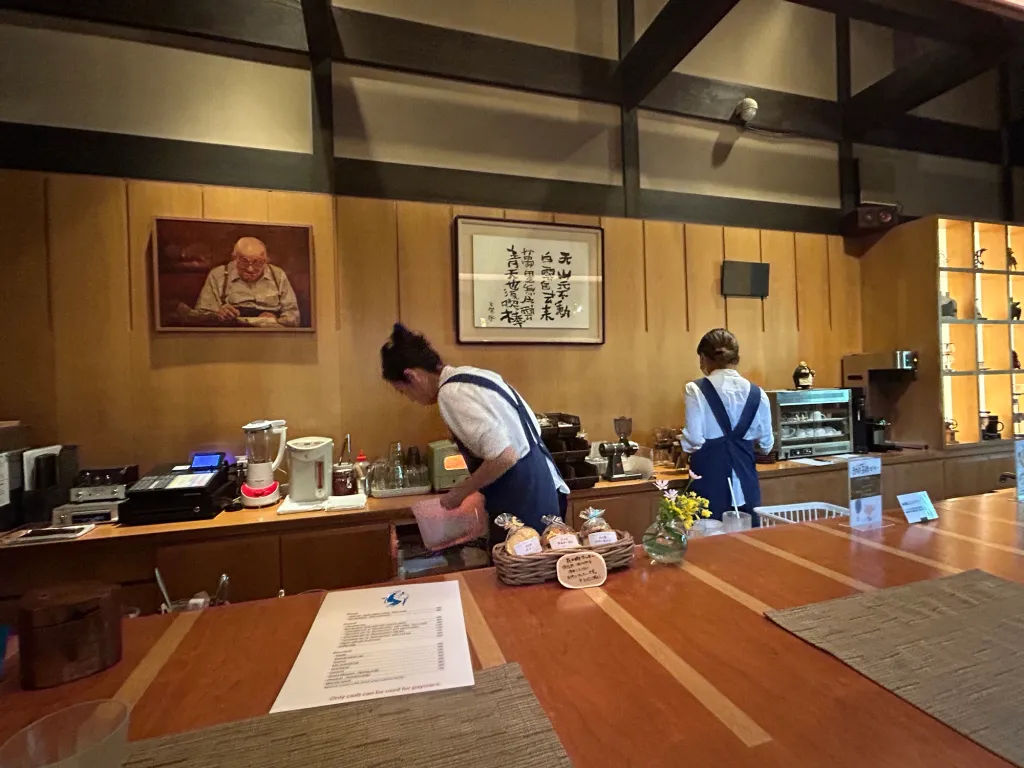
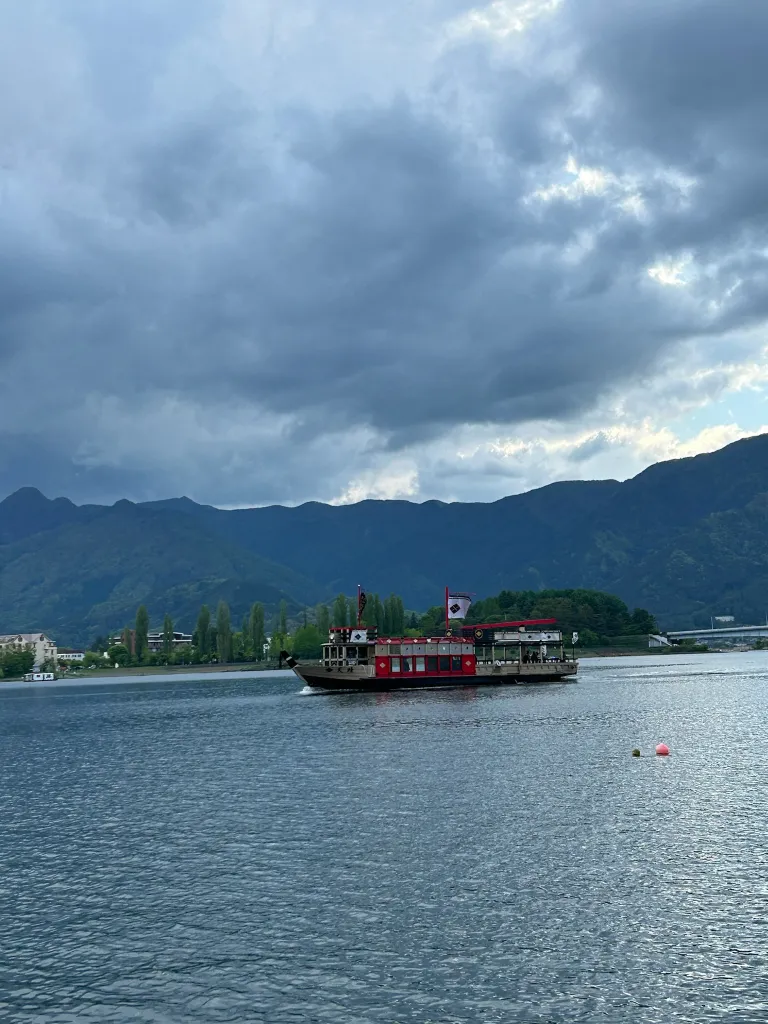
From Hakone can walk ( 25 minutes ) or take a bus to Teinsen Onsen. Enjoy the Onsen, be sure to have the lovely coffee they serve. Take a bus to Hakone Shrine, after visiting the shrine go further down to get a picture of the Tori gate. Continue the journey, take a bus to reach Lake Ashi, enjoy the lovely Pirate ship cruise, Tori gate is visible from the ship as well in case if one has skipped visiting the shrine. On a good day would be wonderful to just stand on the open decks and enjoy the mountains around.
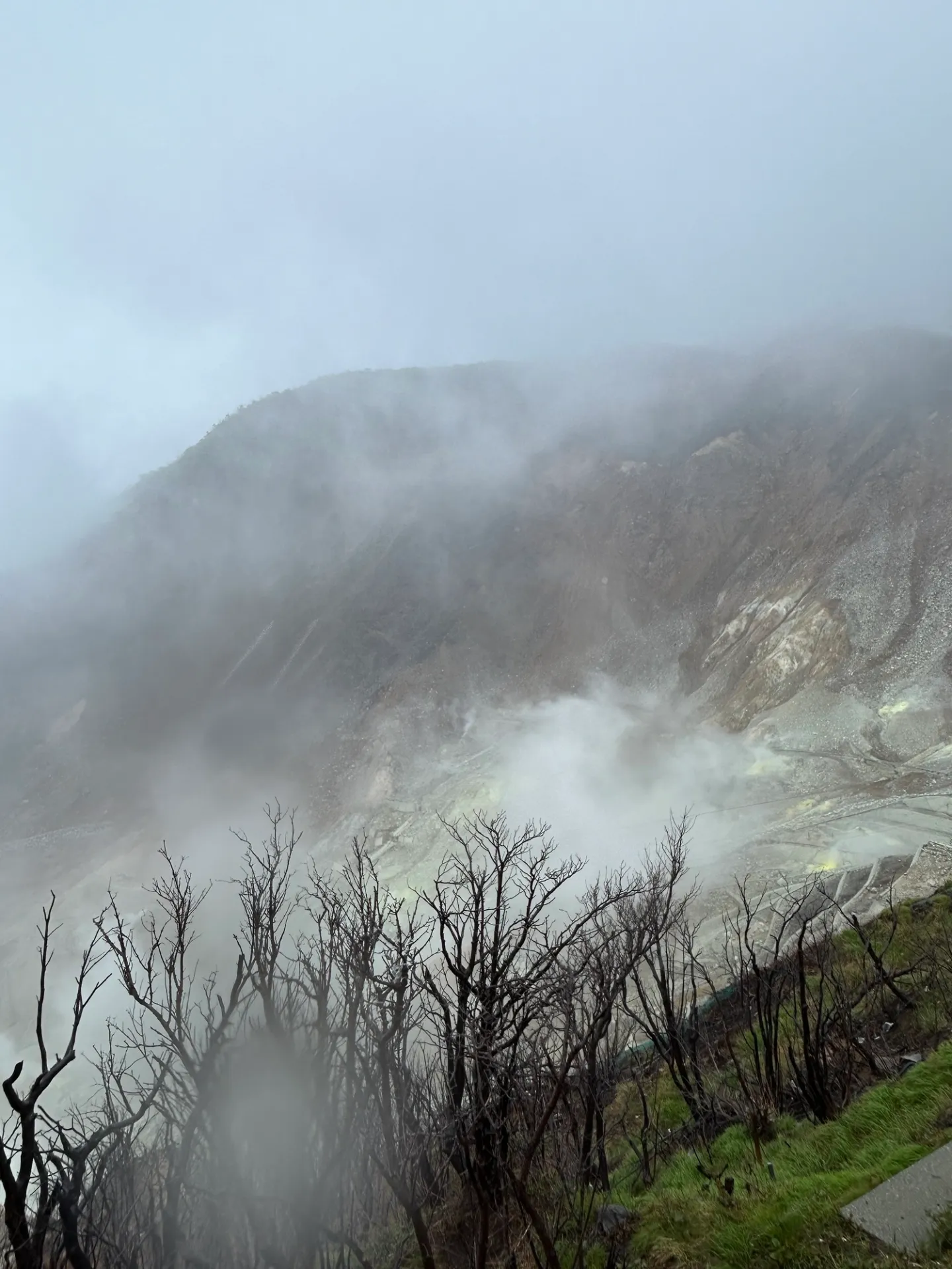
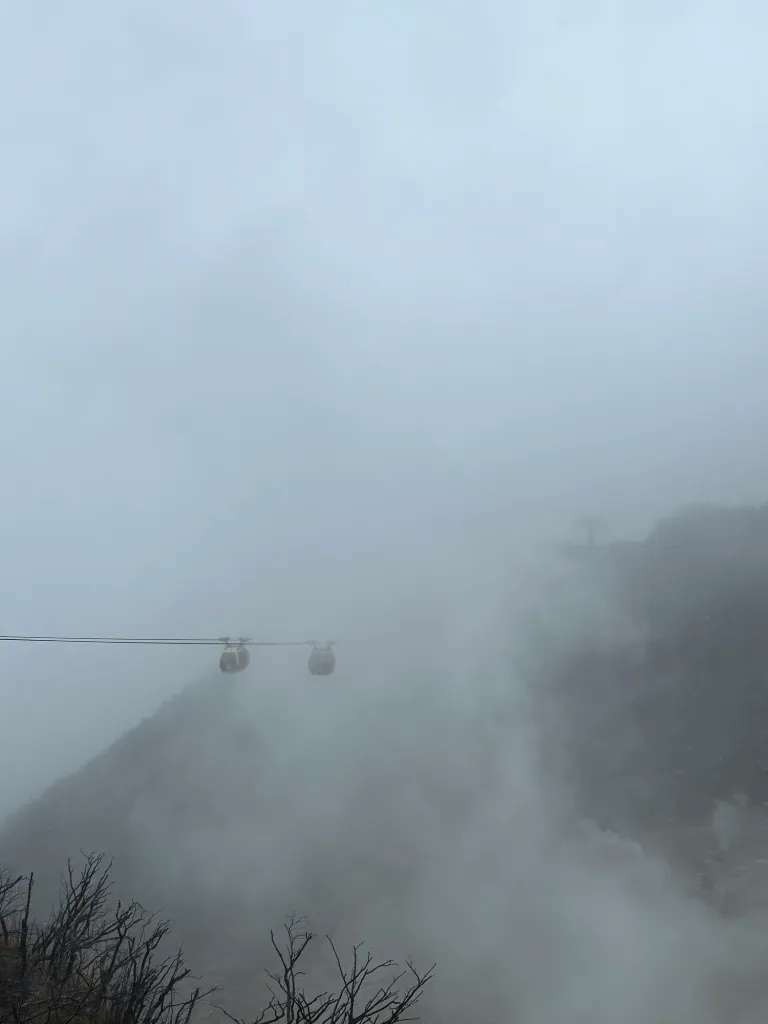
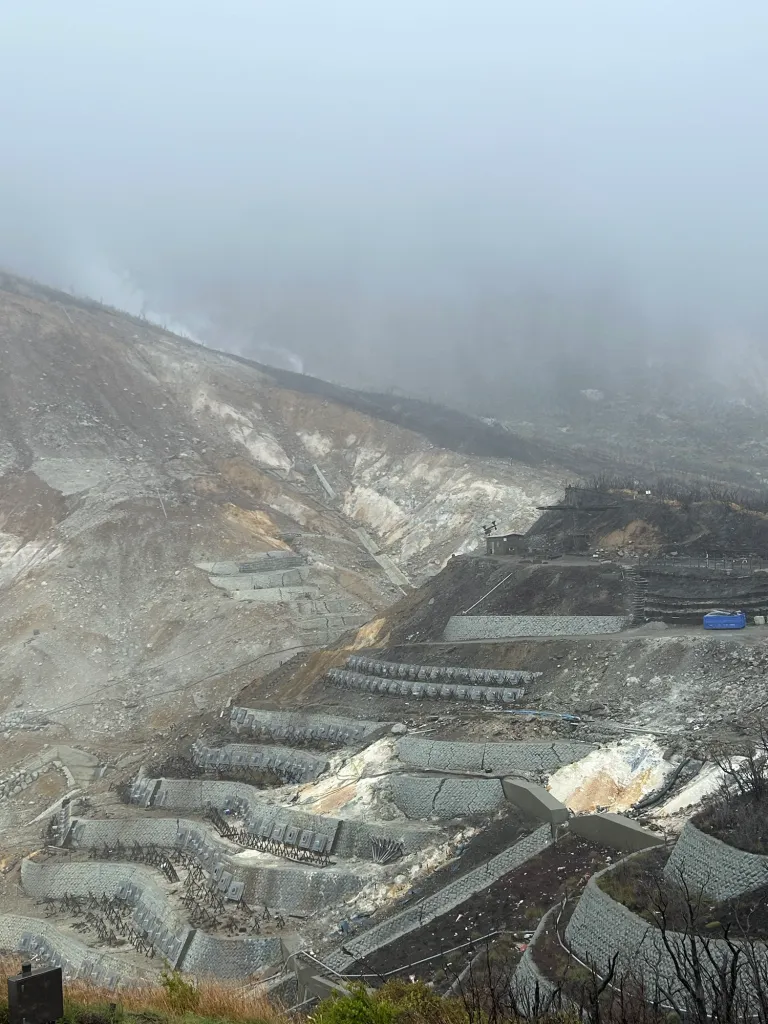
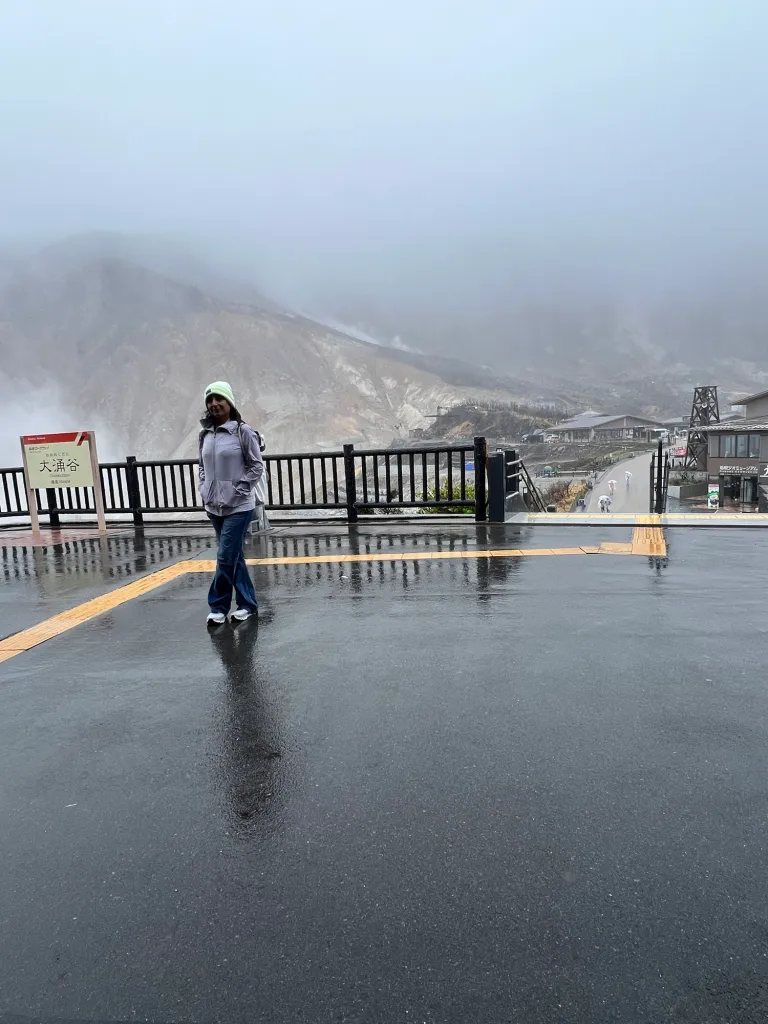
Don’t take a round trip of the cruise, get off at Togendai. This is from where one can get the ropeway it starts at Togendai station, the first stop of the ropeway is Ubako ( dont get off here ) then is the Owakundani Station & the great boiling valley. Owakudani was a volcanic crater valley with active Sulphur vents and hot springs. This crater was created during the last eruption of Mount Hakone some 3000 years ago. The view that awaits as soon as one gets off is well worth the effort and more. They have guided walks around here, that is free but one has to register for it, limited slots, which get over fast. Alas could not do this as was raining heavily the day I visited. This place is supposed to be cold all year around and jackets are required, the day I visited was super cold. The jacket I carried could not protect me at all. Here one can have the famous black egg which is supposed to add few years to life span. It’s regular eggs boiled in hot Onsen water. The sulfur in the water turns the egg shells black, inside is a normal hard-boiled egg, safe to consume. Not that I had it, I’m fine with having a shorter shelf life.
Take a cable car again to go to the open air museum. It’s open only till 5 PM. From there one can take a bus to Odawara, journey is around 50 minutes, frequency of busses is less. Or can take a taxi which will take 20 minutes. Odawara to Tokyo is by fast train, 30 minutes. Whew…got exhausted explaining this. Feel free to skip a few places, to enjoy fully stay overnight at Hakone, Teinsen has stay facilities, of course there are many places to chose from to stay overnight at Hakone. Check bus timetables, frequency is less between each point. On a clear day Mt Fuji can be spotted from Owakudani and also the cable car.
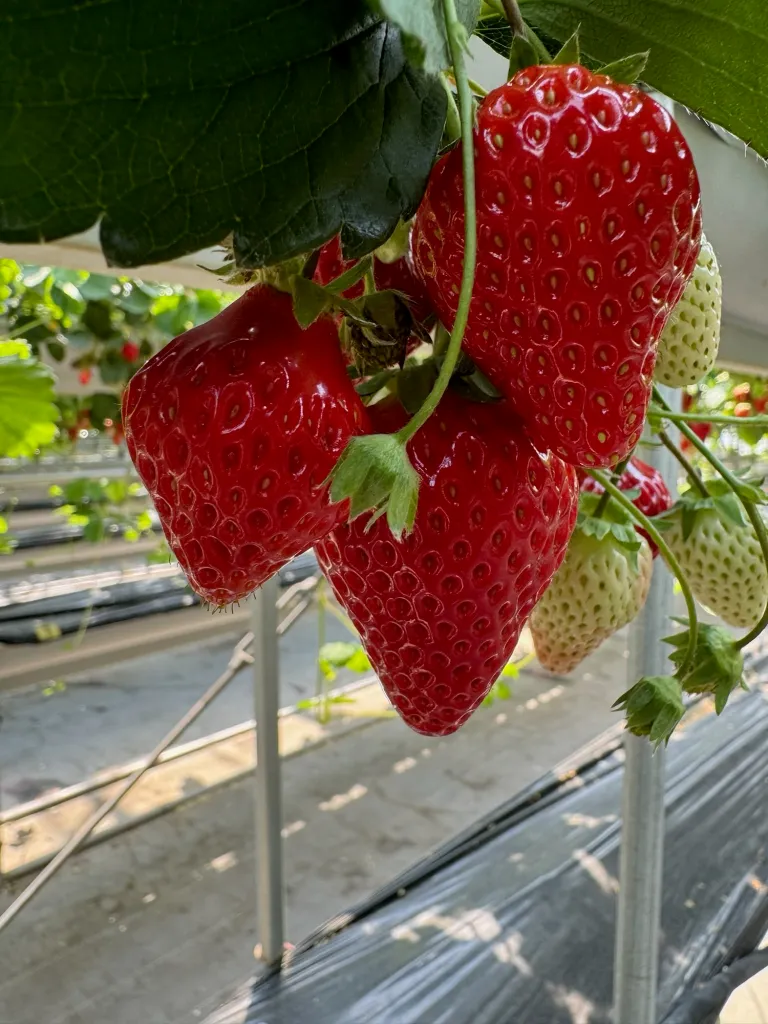
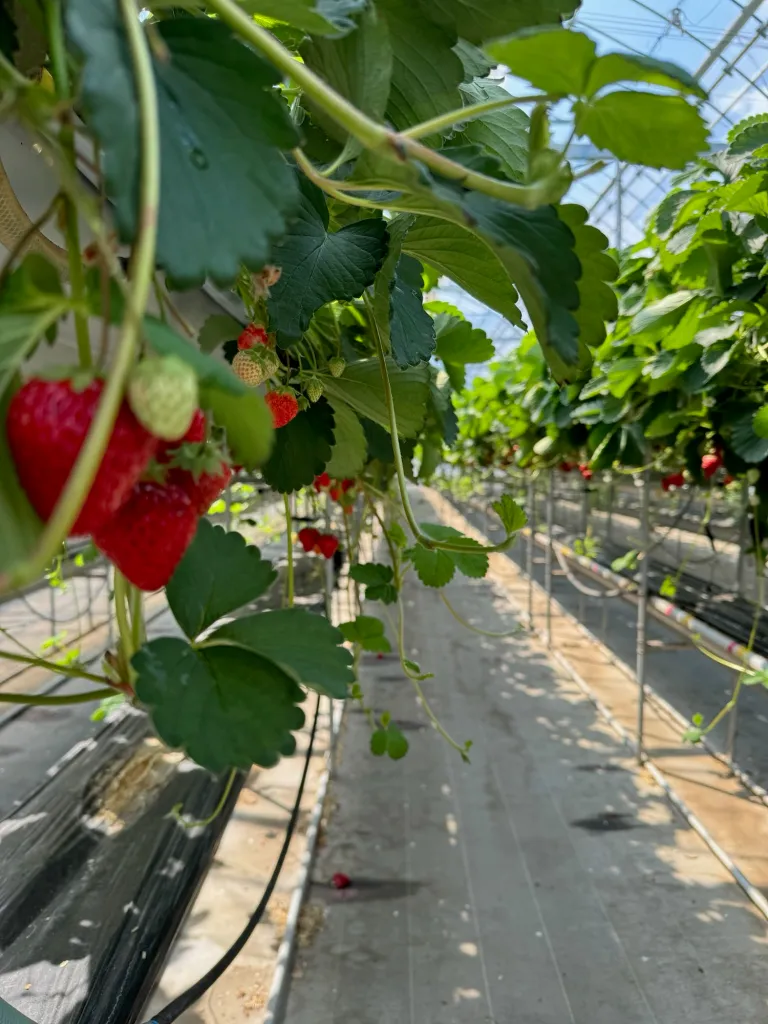
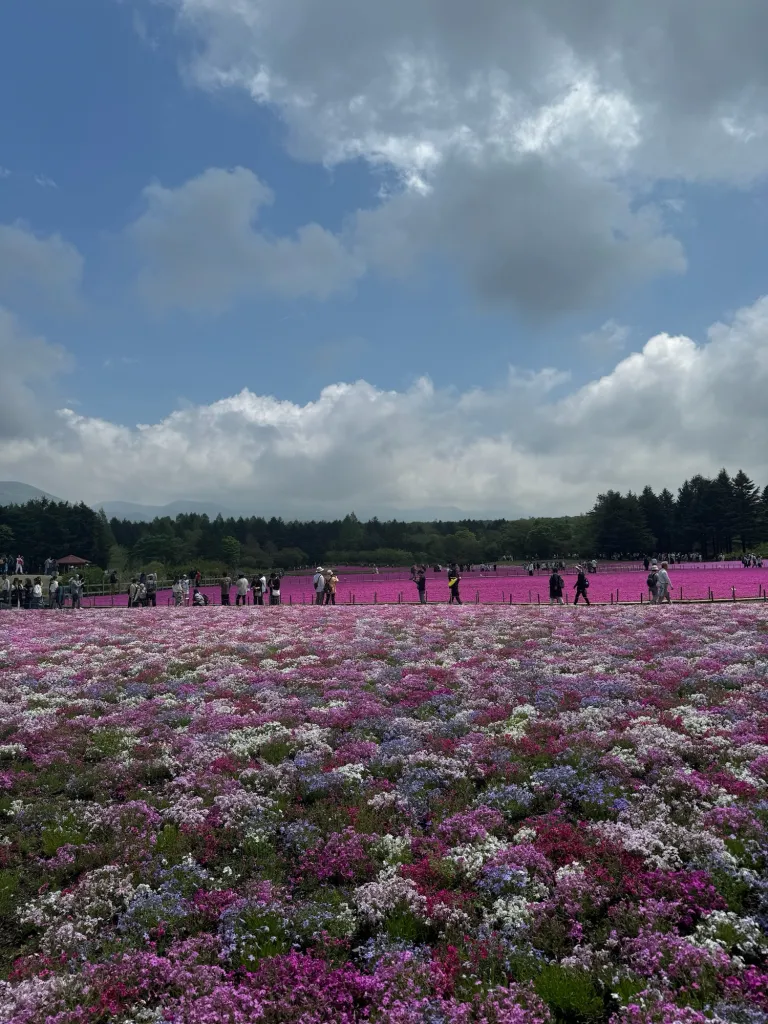
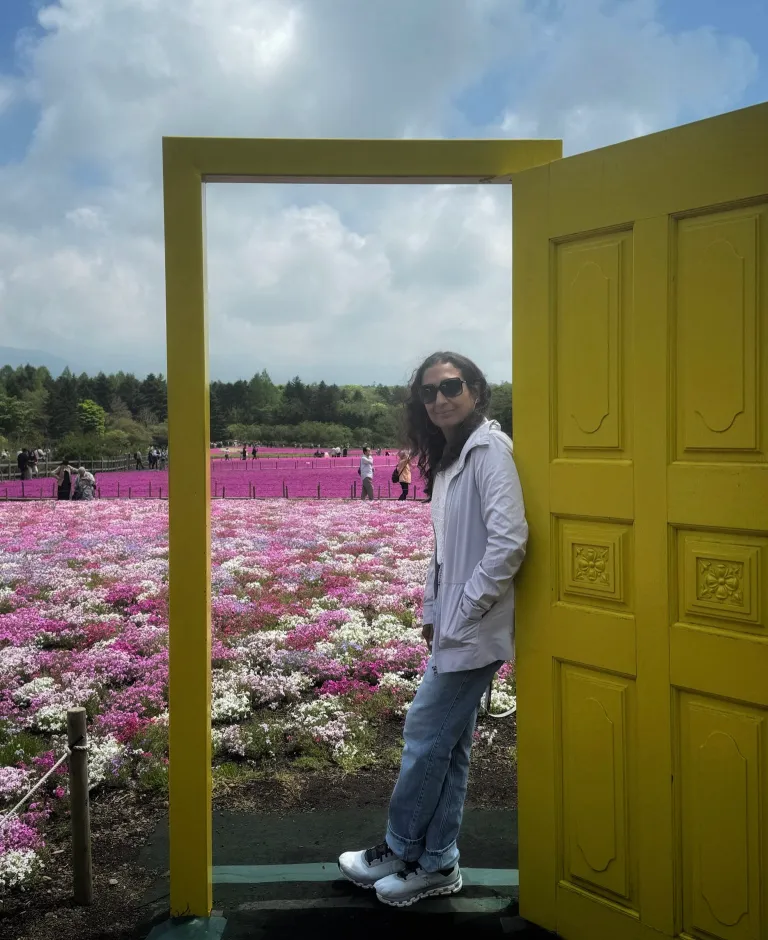
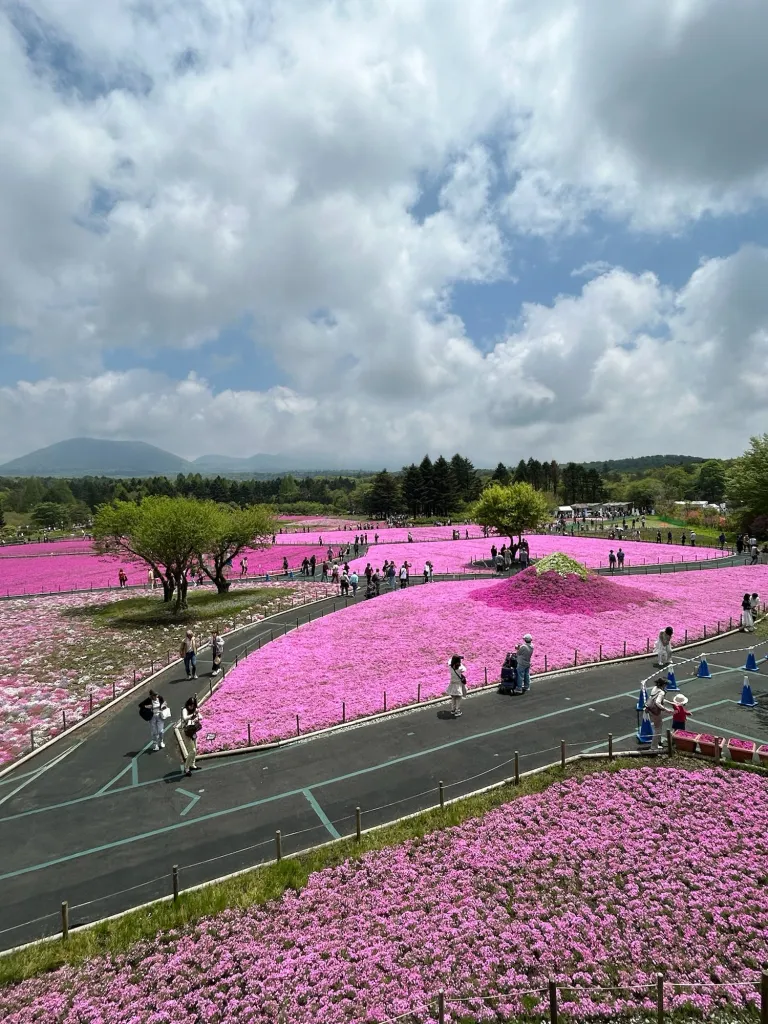
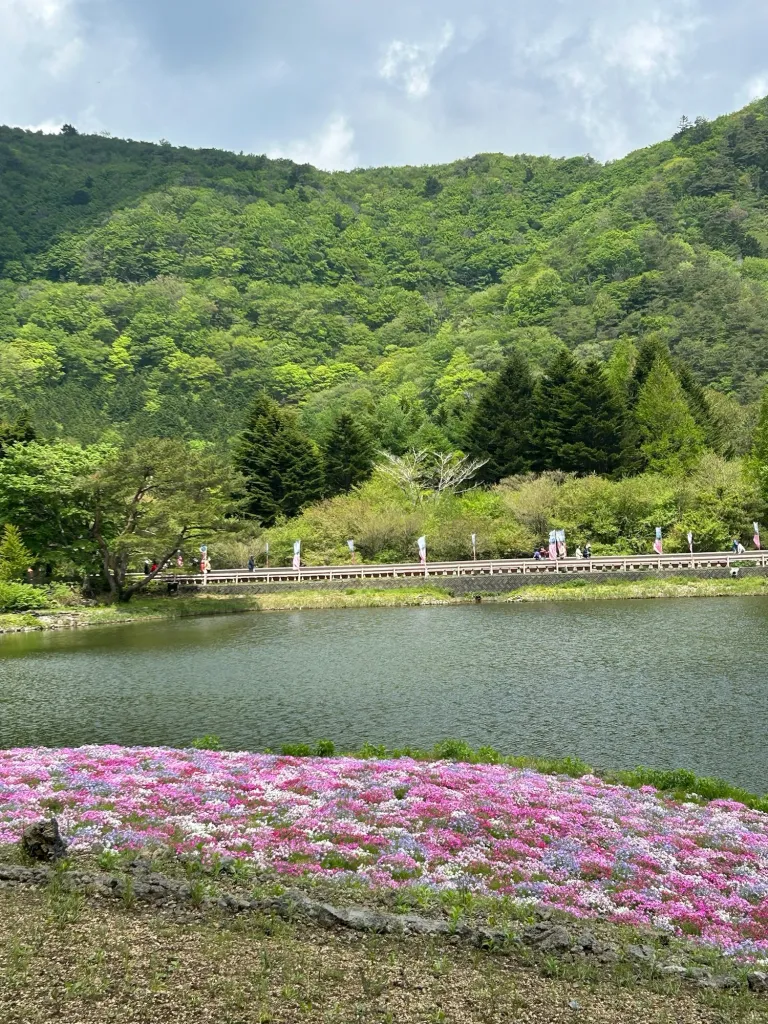
Mt. Fuji can be viewed from Hakone or from Kawaguchi, since I had already planned an extensive Hakone trip where Hakone would be the hero and did not want any other sightseeing to eclipse it, took a tour for Mt Fuji. from the Kawaguchi side. It is a lovely tour, takes up the full day but well worth it. Depending on season it starts with that season’s fruit picking and eating to hearts content. With very little breakfast in our tummies we devoured the current fruit offered…strawberries with cream dip. Rows of the fruit, biggest & sweetest ones ever had. Since this was a group tour had to hang around a bit, next stop was Shibazakura viewing, here again the tour changes depending on season. Shibazakura is in April & May. Shibazakura festival site is a bit difficult to visit using public transportation, can go to Kawaguchiko Station, and catch a bus to the festival, which takes around 30 minutes. The traffic here was really slow moving, eating into the time I could spend at the festival. Near Lake Motosuko it’s fields of beautiful pink, purple and white flowers with a backdrop of Mt. Fuji. Tough to put words to the mesmerizing sight. Loads of food trucks are around, those making a day outing of just this festival will have plenty of food choices. Alas we had very little time here. Had read about a stream where one can dip ones legs and enjoy the surroundings. Did not get to see it, forget about enjoying. it.
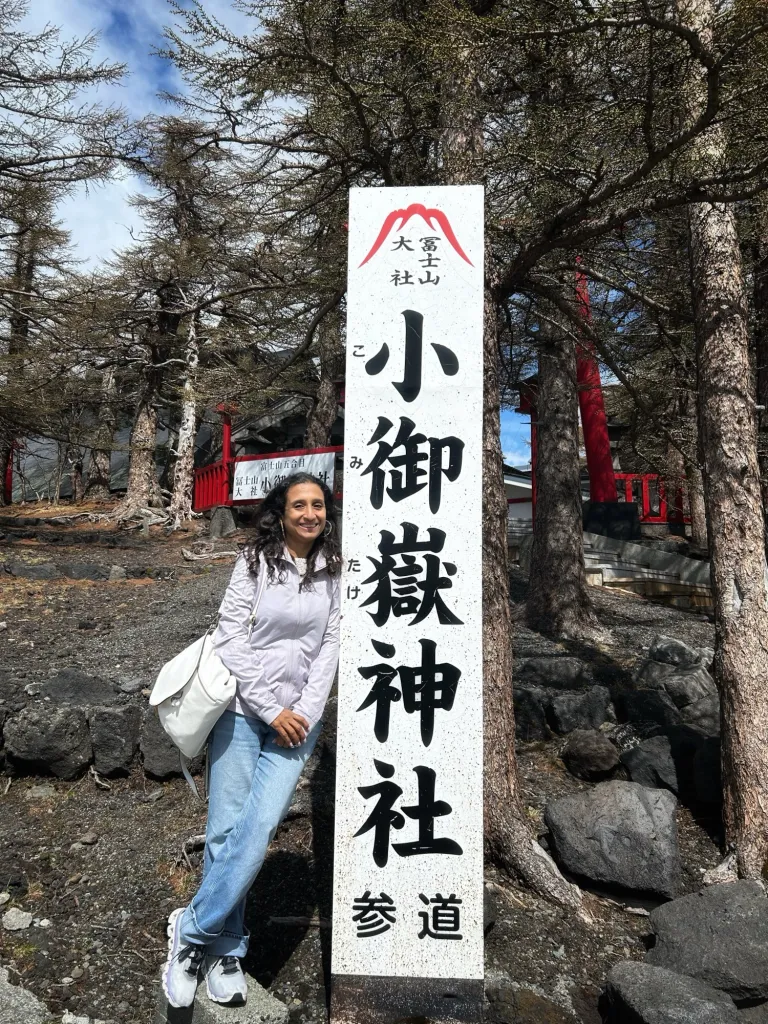
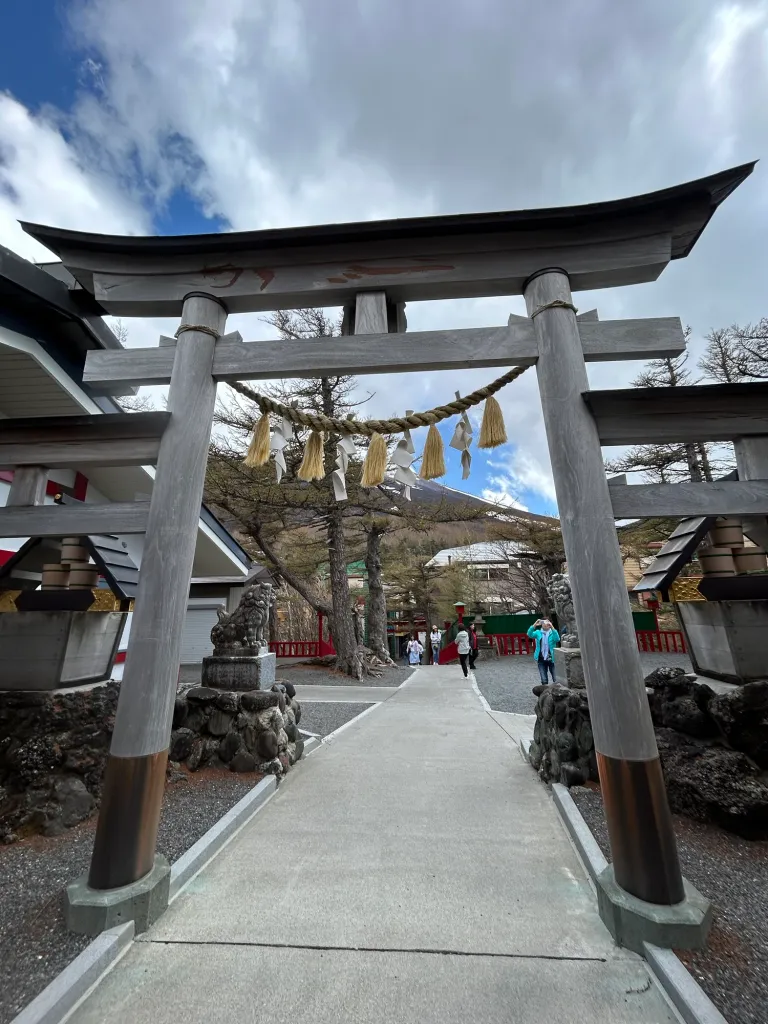
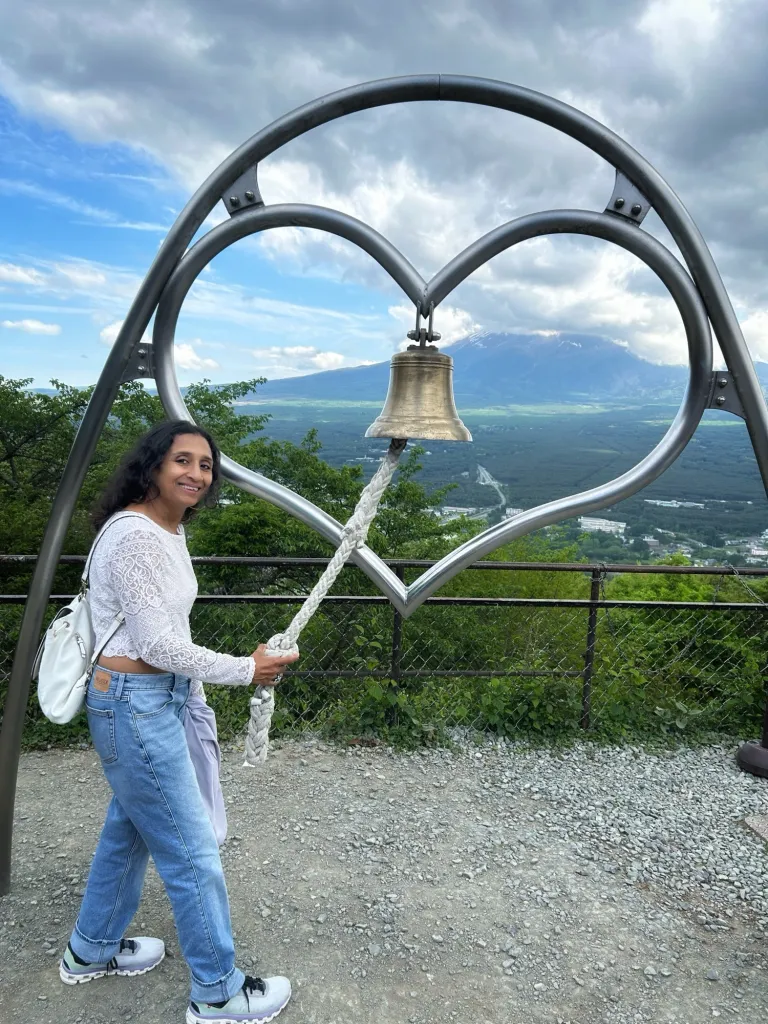
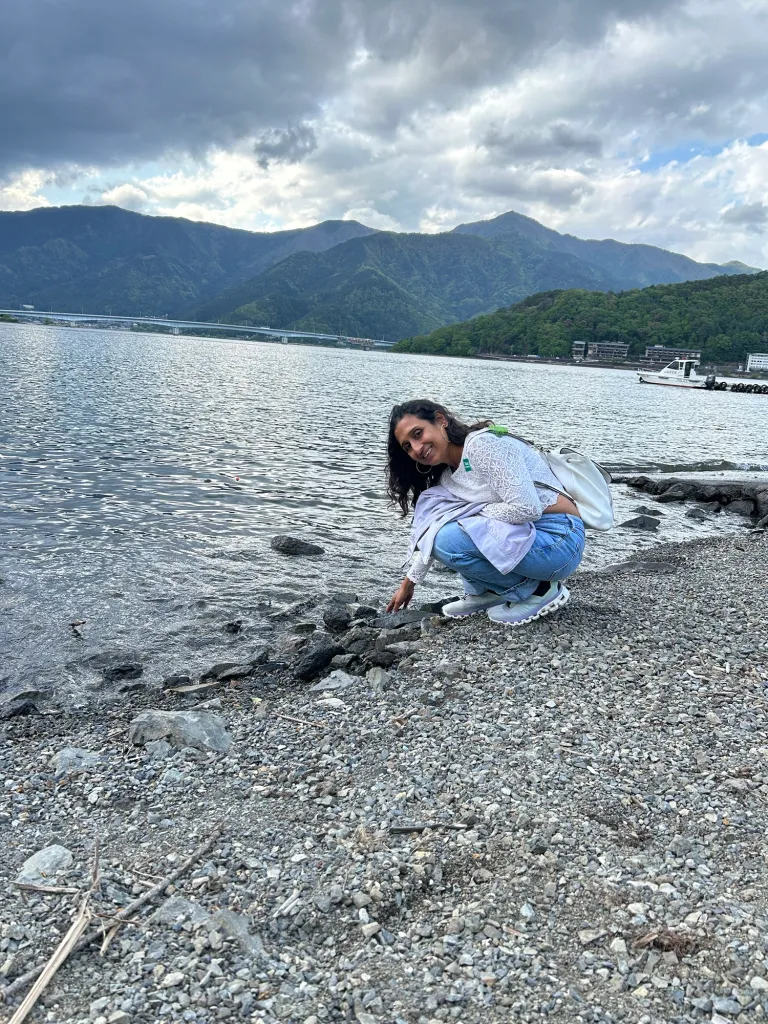
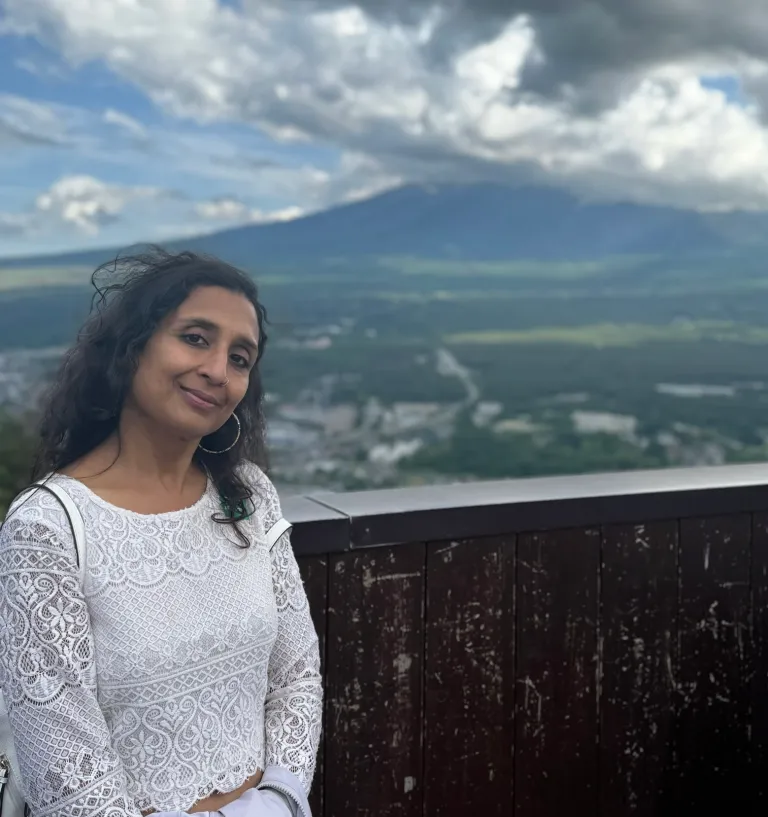
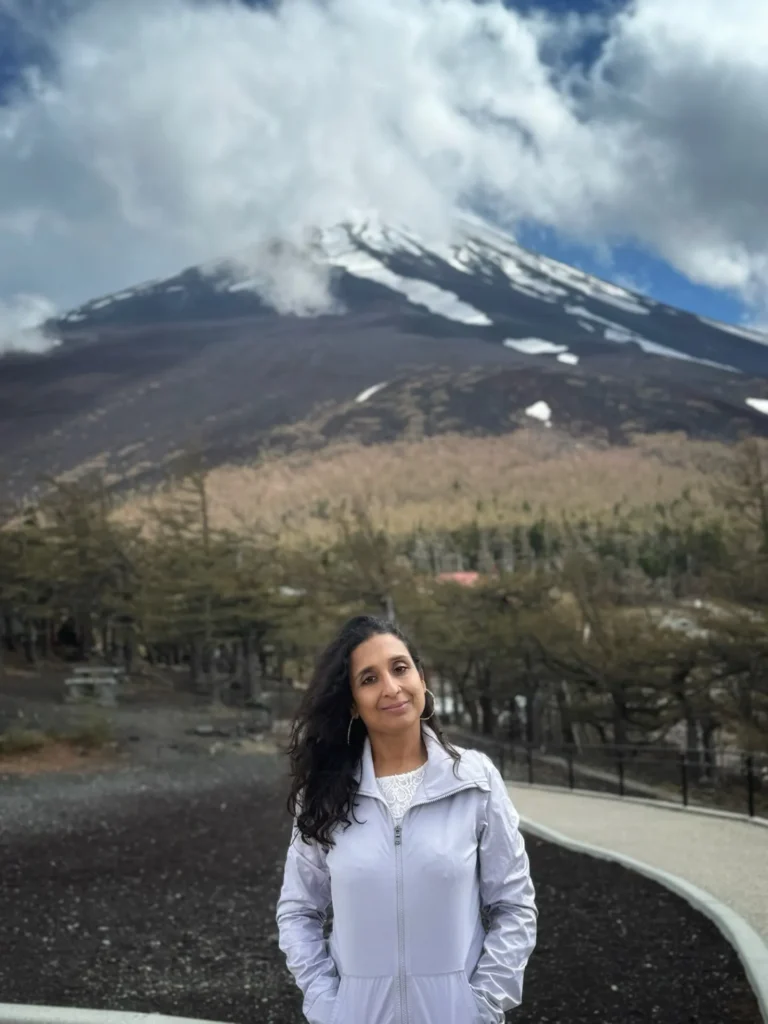
From here Mt. Fuji 5th station was an hour away. Highlight of anyone’s Japan trip. With unexpected rains was not sure if we would get a glimpse of Fuji-san but I did….took loads of pictures before Fuji-san could hide in the clouds. There is a Shinto shrine here, very peaceful, Mt. Fujiyama Komitake shrine. Though the highlight was kind of over and I was satiated went to the next sojourn, Lake Kawaguchi. Views of Mt Fuji from the lake are very different than from 5th Station, if possible one must do both. Kachi Kachi ropeway which starts from here was disappointing, though it offers views of the Lake and of Mt. Fuji I personally felt this can be skipped. From here back to Tokyo is just an hours drive away. Doing the circuit was a day superbly spent.
It’s quite a long read I know but while writing also I was getting FOMO, am sure have missed out on quite a lot of tips. Have to go again to write a part 2 as well. Ending with a couple of Japanese words I love. During the pandemic read the book Ikigai, it hooked me on to the Japanese way of thinking.
Wabi Sabi : Finding perfection in imperfection & being content & peaceful. ( My absolute favorite philosophy of life summed up in one word )
Ikigai : A reason for being.
I am not perfect, I accept myself with my flaws. Embrace & love what I have, while seeking improvement, I am not striving to be faultless.

 admin
admin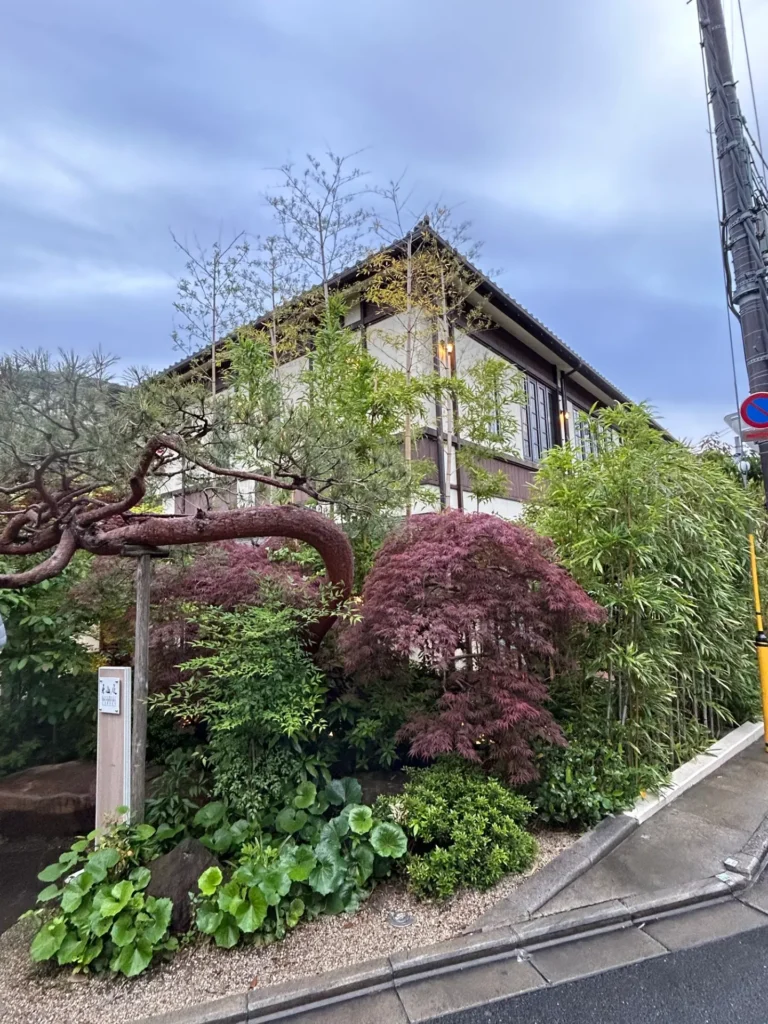
 , in fact slurping while having tea is encouraged.